
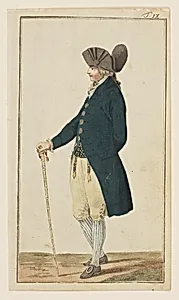
Plate IX, Design for Gentleman's Costume, Journal des Luxus und der Moden (Journal of Luxury and Fashions), Vol. 1, No. 3
Classification
costume & accessories
Department
Smithsonian Collection
Museum
Smithsonian American Art Museum
Credit
Gift of Richard C. Greenleaf
Accession Number
1952-127-2
Rights
Public Domain
About this artwork
Research in Progress
Art Historical Context
Step into the refined world of 18th-century European fashion with *Plate IX, Design forman's Costume* from the inaugural volume of the *Journal des Luxus und der Moden* (Journal Luxury and Fashions). in 1786 by German artist Georg Melchior Kraus (7–1806), this print appeared in Volume 1, Number 3 of the pioneering Weimar-based periodical—one of the world's first dedicated fashion magazines, launched amid the Enlightenment's fascination with taste and elegance. Kraus, a engraver and draftsman who studied under Johann Heinrich Tischbein and later collaborated with Johann Wolfgang von Goethe in Weimar, captured the sophisticated tailoring of a gentleman's ensemble. Likely rendered in etching or line engraving (a common technique for such serial plates), it showcases the era's breeches, waistcoats, and frock coats, blending Rococo ornamentation with emerging Neoclassical restraint. These designs disseminated high-style trends from courts across Europe to an aspiring middle class, making luxury accessible through affordable prints. Housed in the Smithsonian American Art Museum's Costume & Accessories collection (gift of Richard C. Greenleaf), this artwork highlights fashion's role as cultural currency in pre-Revolutionary Europe. Ongoing research promises deeper insights into Kraus's techniques and the journal's influence—perfect for pondering how style once shaped society.