
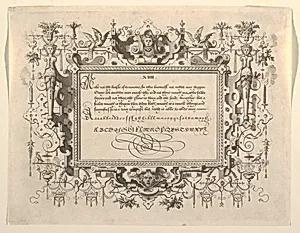
Plate XIV, from the "Exercitatio Alphabetica"
1568–69
Classification
Department
Smithsonian Collection
Museum
Smithsonian American Art Museum
Credit
Museum purchase through gift of Mrs. John Innes Kane
Accession Number
1942-36-24
Rights
Public Domain
About this artwork
Research in Progress
Art Historical Context
**Plate XIV from *Exercitatio Alphabet*** Created by the French calligrapher Clément Per around 1568–69, *Plate XIV* is one plate from his innovative *Exercitatio Alphabetica*, landmark publication celebrating the art of lettering during the Renaissance. Perret, active in Paris, produced this work amid a booming print culture fueled by the recent invention of movable type, blending artistry with emerging typography. As a print in the Smithsonian American Art Museum collection—acquired through the generous gift of Mrs. John Innes Kane—this piece exemplifies 16th-century mastery of elegant scripts, likely showcasing intricate gothic, italic, or roman alphabets designed for scribes, printers, and scholars. Though the exact medium remains under study (research in progress), such plates were typically engraved or woodcut, allowing precise reproduction of Perret's fluid, decorative letterforms. These weren't mere alphabets but *exercitatio*—exercises—for perfecting handwriting, reflecting humanism's emphasis on classical learning and visual beauty. Perret's book influenced calligraphic traditions across Europe, bridging medieval manuscripts and modern fonts. Imagine flipping through this as a Renaissance student: each stroke a lesson in precision and grace. Today, it reminds us how letters themselves became high art, preserving cultural identity in an age of discovery. (198 words)