
Priest's Robe (Shichijō)
Unknown Artist
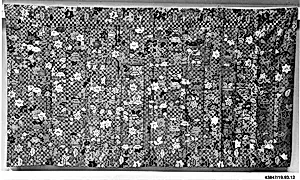
Medium
Silk
Dimensions
46 x 72 in. (116.84 x 182.88 cm)
Classification
Textiles-Costumes
Culture & Period
Japan · Edo period (1615–1868)
Department
Asian Art
Museum
Metropolitan Museum of Art, New York, NY
Credit
Purchase, Joseph Pulitzer Bequest, 1919
Accession Number
19.93.12
Rights
Public Domain
Art Historical Context
This exquisite Priest's Robe, known as *Shichijō*, hails from Japan's Edo period (1615–1868), a time of relative peace and cultural flourishing under the Tokugawa shogunate. Crafted from luxurious silk, the robe measures an impressive 46 x 72 inches, designed to drape elegantly over a Buddhist priest's form during rituals. Acquired by the Metropolitan Museum of Art in 1919 through the Joseph Pulitzer Bequest, it exemplifies the refined textiles of Asian Art traditions, classified as a costume piece that bridges artistry and spirituality. Silk, a hallmark of Japanese craftsmanship, was woven with meticulous care, often in regions like Kyoto famed for such fabrics—*Shichijō* likely nods to a specific high-quality weave or style from that area's legacy. During the Edo era, these garments symbolized purity and devotion, adorning priests in Zen or other sects, where bold patterns and vibrant dyes conveyed sacred motifs like flora, clouds, or auspicious symbols. Though the artist remains unknown, the robe's preservation highlights the era's mastery of dyeing and embroidery techniques, which elevated everyday religious wear to wearable art. For visitors, this robe offers a tactile glimpse into Edo Japan's devout society, where textiles were not mere cloth but vessels of cultural identity and impermanence—core tenets of Buddhist thought. Marvel at its scale and sheen, evoking ceremonies that shaped Japan's spiritual heritage.