
Primer
Unknown Artist
18th century
Medium
Brass
Dimensions
L. 10 1/2 in. (26.7 cm); D. 1 in. (2.5 cm); Wt. 7.5 oz. (212.6 g)
Classification
Firearms Accessories-Flasks & Primers
Culture
Indian, Rajasthan
Department
Arms and Armor
Museum
Metropolitan Museum of Art, New York, NY
Credit
Bequest of George C. Stone, 1935
Accession Number
36.25.2375
Rights
Public Domain
Art Historical Context
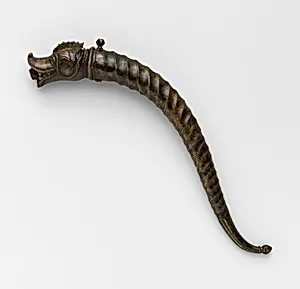
Step into the world of 18th-century Rajasthan with this exquisite brass primer, a vital accessory for muzzle-loading firearms. Crafted by an unknown Indian artisan, this slender tube measures 10½ inches long and just 1 inch in diameter, weighing a mere 7.5 ounces. Designed to hold fine priming powder—the spark that ignited gunpowder charges—it exemplifies the precision engineering required for matchlock and flintlock weapons prevalent in Rajput warfare. In Rajasthan, a region famed for its warrior clans and opulent metalworking traditions, such primers were essential tools of the battlefield and hunt. Brass, prized for its durability, corrosion resistance, and workability, allowed artisans to create functional yet elegantly proportioned objects. This piece reflects the fusion of utility and craftsmanship in Mughal-influenced Indian arms, where even small accessories showcased technical skill and cultural pride. Now housed in the Metropolitan Museum of Art's Arms and Armor Department, thanks to the 1935 bequest of collector George C. Stone, the primer offers a glimpse into the tactical ingenuity of pre-colonial India. Its survival highlights the artistry behind the era's martial heritage, reminding us how everyday tools of conflict carried profound historical weight.