
Rattle
Unknown Artist
late 19th century
Medium
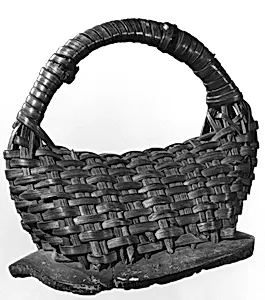
Calabash shell, wicker
Dimensions
Dimensions 4x5 in.
Classification
Idiophone-Shaken-rattle
Culture
Liberian
Department
Musical Instruments
Museum
Metropolitan Museum of Art, New York, NY
Credit
The Crosby Brown Collection of Musical Instruments, 1889
Accession Number
89.4.1620
Rights
Public Domain
Art Historical Context
Discover the rhythmic charm of this late 19th-century Liber rattle, a delightful example of indigenous craftsmanship from West Africa. Crafted from a natural calabash shell—a dried gourd common in African material culture—and intricately woven wicker, this compact idiophone measures just 4 x 5 inches. As a shaken rattle, it sound when vibrated, likely filled with seeds or small objects inside the shell, embodying the resourcefulness of Liberian artisans who transformed everyday natural materials into musical treasures. In Liberian culture, such rattles played vital roles in communal music, dance, and rituals, fostering social bonds and spiritual expression among diverse ethnic groups. The unknown artist's technique highlights traditional weaving skills, where flexible wicker is tightly interlaced to secure the resonant calabash, ensuring durability for vigorous use. This artifact reflects the late 19th-century blend of utility and artistry in pre-colonial African societies, where instruments like this bridged the everyday and the ceremonial. Housed in the Metropolitan Museum of Art's Musical Instruments department as part of the prestigious Crosby Brown Collection (acquired in 1889), this rattle offers visitors a tangible link to Liberia's vibrant sonic heritage. Shake it gently in your imagination and hear the echoes of ancient celebrations!