
Ring
Unknown Artist
11th–13th century
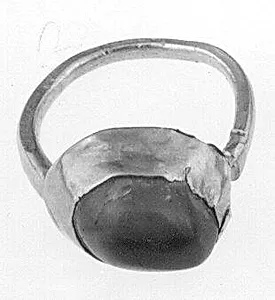
Medium
Gold sheet and sapphire
Classification
Jewelry
Department
Islamic Art
Museum
Metropolitan Museum of Art, New York, NY
Credit
Rogers Fund, 1952
Accession Number
52.32.4
Rights
Public Domain
Art Historical Context
This delicate gold sheet ring, adorned with a sapphire, hails from the Islamic world of the 11th–13th centuries, a golden age of artistic innovation across regions like Persia, Syria, and Egypt. Craft by an unknown artisan, it exemplifies the exquisite jewelry traditions of medieval Islamic culture, where such pieces were prized possessions symbolizing wealth, status, spiritual protection. Acquired through the Rogers Fund in 1952, it now graces the Metropolitan Museum of Art Islamic Art department. The ring's medium highlights masterful metalworking techniques: thin gold sheet, likely hammered and shaped with precision, forms the band, while the sapphire—cut as a cabochon for its deep blue luster—serves as a focal gemstone. Sapphires were revered in Islamic lore for their celestial beauty and believed protective qualities, often set in high-status adornments. This combination reflects the era's blend of luxury craftsmanship and cultural reverence for gemstones. As wearable art, the ring offers a glimpse into daily elite life, possibly used for sealing documents or as betrothal jewelry. Its survival underscores the enduring allure of Islamic design, where form met function in harmonious elegance.