
Ryuo, the King of Dragon
1820 or 1832
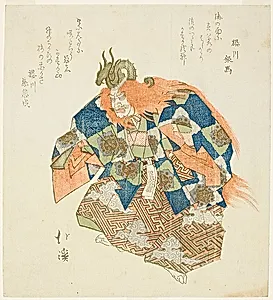
Medium
Color woodblock print; surimono
Dimensions
20.8 × 18.5 cm (8 1/4 × 7 5/16 in.)
Classification
woodblock print
Department
Arts of Asia
Museum
Art Institute of Chicago
Accession Number
81133
Rights
Public Domain
Art Historical Context
**Ryuo, the King of Dragon** is a captivating color woodblock print by Totoya Hokkei, a prominent Japanese artist active during the Edo period (1780–1850). Created around 1820 or 1832, this intimate surimono—measuring just 20.8 × 18.5 cm—exemplifies the refined artistry of privately commissioned prints often produced for New Year's greetings or poetry gatherings. Hokkei, a pupil of the legendary Katsushika Hokusai, specialized in ukiyo-e ("pictures of the floating world"), blending mythical subjects with exquisite technical precision. As a surimono, the work stands out for its luxurious production: multiple woodblocks were meticulously carved and inked to layer vibrant colors, metallic pigments like mica for shimmer, and subtle embossing for texture. This medium elevated woodblock printing from mass-produced ephemera to collector's treasures, reserved for elite patrons who appreciated its poetic elegance. The central figure, Ryuo—the Dragon King from Japanese folklore—evokes awe-inspiring tales of water deities controlling seas and storms, rooted in Buddhist and Shinto traditions. Housed in the Art Institute of Chicago's Arts of Asia department, this print highlights the cultural zenith of Edo-period printmaking, where fantasy met craftsmanship. Visitors are drawn to its mystical aura, a window into Japan's imaginative spirit just before the Meiji era's upheavals. (198 words)
About the Artist
Totoya Hokkei · 1780–1850
Totoya Hokkei (魚屋 北渓, 1780–1850), born Iwakubo Tatsuyuki in Edo (modern Tokyo), began his life as a humble fishmonger in the Yotsuya Samegahashi district, a trade reflected in his art name "Totoya," meaning fish shop. He transitioned to art through rigorous training, first studying under Kanō Yōsen'in Korenobu, head of the Kobikichō branch of the prestigious Kanō school, where he honed landscape p...