
Samuel Adams
Medium
Classification
Department
Smithsonian Collection
Museum
Smithsonian American Art Museum
Credit
National Portrait Gallery, Smithsonian Institution
Accession Number
NPG.80.184.4.A
Rights
Public Domain
Tags
Art Historical Context
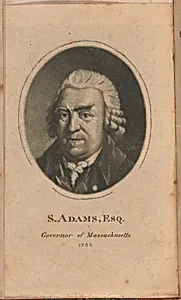
This striking print portrait captures Samuel Adams, the influential Massachusetts statesman and signer of the Declaration of Independence. Created around 1801 by George Graham, an artist active between 1786 and 1813, the work presents Adams as a dignified figure of the Revolutionary era. As a book illustration, it reflects the early nineteenth-century practice of reproducing portraits in printed form to reach wider audiences. Samuel Adams played a pivotal role in the Continental Congress and the push for American independence, making this likeness a valuable record of the nation’s founding generation. Graham’s print, now part of the Smithsonian’s National Portrait Gallery collection, demonstrates how engravings and illustrations helped preserve and popularize the images of political leaders for future generations. The medium itself underscores the democratic impulse of the period: affordable prints allowed citizens across the young United States to own and display images of their heroes. Through this portrait, viewers today can connect with both the legacy of Samuel Adams and the artistic methods that kept his memory alive in the decades following the Revolution.