
Sappho
1851 to 1875
Medium
glyptograph
Classification
Department
CG-E
Museum
National Gallery of Art, Washington, D.C.
Credit
Rosenwald Collection
Accession Number
1964.8.694
Rights
Public Domain
Art Historical Context
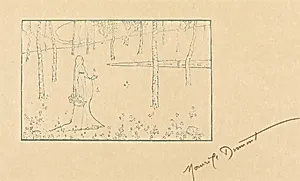
**Sappho** by Maurice Dumont (1851–1875) is a captivating glyptograph—a specialized print created from an engraved gem or intaglio stone—housed in the National Gallery of Art's Rosenwald CollectionDepartment CG-E). Produced during the mid-19 century, this work reflects the era's fascination with classical antiquity when artists and collectors revived ancient motifs through innovative reproductive techniques. Dumont, a French engraver known for his precise gem impressions, captures the legendary poetess Sappho, whose lyrical verses on love and beauty inspired generations. Glyptography, the art of engraving and printing from gems, allowed 19th-century viewers to experience miniature classical sculptures up close, bridging the gap between rare artifacts and a wider audience. This medium's significance lies in its fidelity to original intaglios, often mimicking cameos or seals with intricate detail and subtle tonal effects achieved through ink transfer. Sappho's portrayal here evokes her enduring cultural icon status—from ancient Greek lyricist to Romantic muse—symbolizing passion and feminine creativity amid a male-dominated canon. Visitors will appreciate how Dumont's print democratized classical art, making Sappho's timeless allure accessible in an age of burgeoning print culture. A gem of technical virtuosity and historical revival! (198 words)