
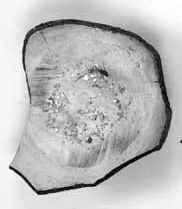
Shard
Unknown Artist
15th century
Medium
Pottery
Dimensions
Largest shard: H. 3 in. (7.6 cm); Diam. 5 3/8 in. (13.7 cm) Smallest shard: H. 1 in. (2.5 cm)
Classification
Ceramics
Culture & Period
Korea · Joseon dynasty (1392–1910)
Department
Asian Art
Museum
Metropolitan Museum of Art, New York, NY
Credit
Gift of John and Betty Menke, 1978
Accession Number
1978.531.46
Rights
Public Domain
Art Historical Context
This humble fragment, known simply as *Shard*, offers a poignant glimpse into everyday life during Korea's Joseon dynasty (2–1910), the 15th century. Comprising pottery pieces—the largest measuring 3 inches high and 5⅜ inches in diameter, the smallest just 1 inch—these ceramics shards likely originated from a common vessel used for storage, serving, or ritual purposes. Donated to the Metropolitan Museum of Art in 1978 by John and Menke, they now reside in the Asian Art, reminding us that even broken remnants carry stories of skilled craftsmanship from an artist unknown to history. Joseon pottery exemplifies the dynasty's Confucian ideals of simplicity, functionality, and harmony with nature. Potters during this era mastered high-fired stoneware and porcelain techniques, producing durable wares for households, temples, and elites. These shards, though modest in scale, highlight the technical prowess of Korean ceramicists, who excelled in wheel-throwing, glazing, and kiln firing amid a burgeoning porcelain tradition. Their survival speaks to the resilience of Joseon material culture. Displayed together, these pieces invite reflection on impermanence—a core theme in Korean aesthetics—while underscoring the Met's commitment to preserving fragments that illuminate Asia's rich artistic heritage. A testament to quiet beauty in the ordinary.