
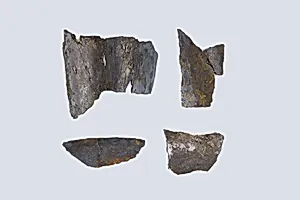
Situla fragments
Unknown Artist
ca. 1070–712 B.C.
Medium
Silver
Dimensions
W. 3.5 cm (1 3/8 in.)
Classification
Vessel fragment, "Tell Basta Treasure"
Period
Third Intermediate Period
Department
Egyptian Art
Museum
Metropolitan Museum of Art, New York, NY
Credit
Rogers Fund, 1907
Accession Number
07.228.250a–d
Rights
Public Domain
Art Historical Context
Nestled in the Egyptian Art collection of the Metropolitan Museum of, these delicate *Situla fragments* hail from Egypt's Third Intermediate Period (. 1070–712 B.C.), specifically Dynasties 21–22. Crafted from silver by an unknown artist, the fragments measure just 3.5 cm wide, hinting at a once-small, bucket-shaped vessel known as a situla. Acquired through the Rogers Fund in 7, they offer a rare glimpse into a transitional era when Egypt faced political fragmentation after the New Kingdom's grandeur, with influences from Libyan rulers blending into traditional Pharaonic styles. Silver, a precious and less common medium than gold or bronze in ancient Egypt, underscores the situla's likely elite or ritual purpose—perhaps for libations in funerary rites or temple ceremonies. The Third Intermediate Period saw a revival of earlier artistic motifs amid regional powers like the Tanite kings in the Delta, where such vessels might have symbolized continuity and piety. Though fragmented, these pieces preserve the fine metalworking techniques of the time, evoking the shimmering luxury of Egypt's sacred objects. For visitors, these fragments illuminate a dynamic chapter of Egyptian history, where artistry persisted through upheaval, reminding us of the enduring reverence for the divine in everyday rituals.