
Skippet
ca. 1825–52
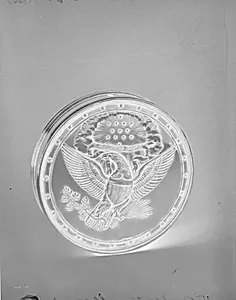
Medium
Silver and silver gilt
Dimensions
Overall: 1 1/4 x 5 3/16 in. (3.2 x 13.2 cm); 20 oz. 5 dwt. (630.2 g) Body: H. 15/16 in. (2.4 cm); 11 oz. 9 dwt. (355.4 g) Cover: H. 5/8 in. (1.6 cm); 8 oz. 17 dwt. (274.8 g)
Classification
Skippet
Culture
American
Department
The American Wing
Museum
Metropolitan Museum of Art, New York, NY
Credit
Bequest of Mary Stillman Harkness, 1950
Accession Number
50.145.45a, b
Rights
Public Domain
Tags
Art Historical Context
Nestled in the Metropolitan Museum of Art's American Wing, *Skippet* by silversmith Seraphimasi (ca. 182–52) exemplifies the exquisite craftsmanship of early 19th-century American silver. This petite yet substantial container—measuring just 1¼ x 5⅛ inches and weighing over 20 ounces—is crafted from silver and silver gilt, a luxurious technique where a thin layer of gold enhances the metal's luster and durability. Skippers like this were practical yet elegant seal boxes, used to protect wax seals on important legal or official documents, blending functionality with opulent design. Masi, an accomplished American artisan likely of Italian descent, showcases neoclassical influences in this piece, with its precise proportions and probable eagle motifs symbolizing American patriotism—a common theme in Federal-era silver. The detailed breakdown of its body (11 oz. 9 dwt.) and cover (8 oz. 17 dwt.) highlights the silversmith's mastery in balancing form and weight. Bequeathed by Mary Stillman Harkness in 1950, *Skippet* offers a glimpse into the refined material culture of antebellum America, where such objects graced the desks of lawyers, merchants, and officials, underscoring the era's blend of utility and national pride.