
Slab
Unknown Artist
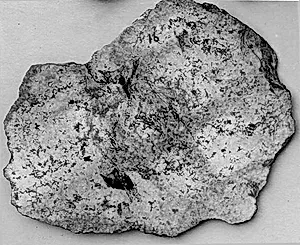
Medium
Jadeite
Dimensions
H. 8 5/8 in. (21.9 cm); W. 6 13/16 in. (17.3 cm); D. 9/16 in. (1.4 cm)
Classification
Jade
Culture
Myanmar (Burma)
Department
Asian Art
Museum
Metropolitan Museum of Art, New York, NY
Credit
Gift of Heber R. Bishop, 1902
Accession Number
02.18.16
Rights
Public Domain
Art Historical Context
This elegant jadeite slab, originating from Myanmar (Burma exemplifies the reverence for jade in Southeast Asian cultures. Carved from high-quality jadeite—a translucent green stone prized for its durability and luminous glow—the slab measures 8⅝ inches high by 6⅞ inches wide and just 9/16 inch thick, suggesting it may have served as a decorative plaque, pendant, or ritual object. Its smooth, polished surface highlights the natural veining and color variations typical of Burmese jadeite one of the world's finest sources, quarried from the Phakant region. In Burmese tradition, jade symbolizes purity, protection, and spiritual power, often used in jewelry, amulets, and architectural inlays dating back centuries. Though the artist and exact date remain unknown, the slab's refined craftsmanship reflects skilled lapidary techniques, where artisans meticulously cut and burnished the stone to enhance its ethereal translucency without added ornamentation. Such pieces were status symbols among elites, traded along ancient Silk Road routes. Acquired as a gift from collector Heber R. Bishop in 1902, this slab now graces the Metropolitan Museum of Art's Asian Art collection, offering visitors a tangible link to Myanmar's jade-carving heritage and the stone's enduring cultural allure.