
Snuff Bottle
Unknown Artist
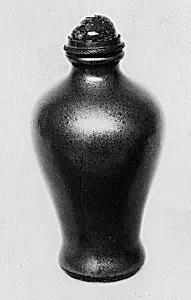
Medium
Porcelain
Dimensions
H. 3 5/16 in. (8.4 cm)
Classification
Snuff Bottles
Culture & Period
China · Qing dynasty (1644–1911), Qianlong period (1736–95)
Department
Asian Art
Museum
Metropolitan Museum of Art, New York, NY
Credit
Bequest of Benjamin Altman, 1913
Accession Number
14.40.521a, b
Rights
Public Domain
Art Historical Context
This delicate porcelain snuff bottle, hailing from China's Qing dynasty during the Qianlong period (6–95), exemplifies refined artistry of imperial workshops. Standing just 3 5/16 inches (8.4 cm) tall, it was designed as a portable luxury item for carrying finely ground tobacco snuff—a habit introduced by European traders in 17th century that captivated the Chinese elite. Snuff bottles like this one became coveted status symbols among scholars, officials, and emperors, blending functionality with exquisite craftsmanship. Qianlong-era porcelain from Jingdezhen kilns achieved unparalleled technical mastery, featuring thin, translucent bodies often adorned with vibrant overglaze enamels or intricate motifs. Though the specific decoration on this bottle remains unnoted, its medium highlights the period's innovation in miniaturization and precision, turning everyday objects into miniature masterpieces. These bottles were typically paired with fitted jade or coral stoppers, spoons dangling inside for scooping the precious powder. Bequeathed to the Metropolitan Museum of Art by Benjamin Altman in 1913, this anonymous treasure offers a window into 18th-century Chinese connoisseurship, where art met daily ritual in elegant harmony. Visitors, imagine slipping it into your sleeve for a discreet pinch of snuff amid courtly intrigue!