
Stamp seal
Unknown Artist
ca. 3rd–7th century CE
Medium
Jasper
Dimensions
0.31 in. (0.79 cm)
Classification
Stone-Stamp Seals
Culture & Period
Sasanian · Sasanian
Department
Ancient Near Eastern Art
Museum
Metropolitan Museum of Art, New York, NY
Credit
Anonymous Gift, 1962
Accession Number
62.66.22
Rights
Public Domain
Art Historical Context
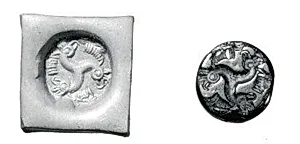
This exquisite stamp seal, crafted from jasper during the Sasanian period (. 3rd–7th century CE), offers a glimpse into the sophisticated administrative world of ancient Persia. The Sasanian Empire, centered in modern-day Iran, was a powerhouse of culture and governance, bridging the classical world and early Islam. Measuring just 0.31 (0.79 cm) in diameter, this diminutive gem—likely worn as a pendant or ring—exemplifies the portability and precision of Sasanian craftsmanship. Carved from durable jasper, a semi-precious stone prized for its vibrant hues and hardness, the seal was used to imprint designs into soft clay or wax, authenticating documents, marking property, or sealing goods. Such seals were essential tools of bureaucracy and trade in the Ancient Near East, reflecting the empire's bureaucratic efficiency and artistic finesse. Though the exact motif is unrecorded here, Sasanian seals often featured royal motifs, animals, or deities, blending Persian traditions with influences from neighboring cultures. Housed in the Metropolitan Museum of Art's Department of Ancient Near Eastern Art, this anonymous 1962 gift reminds us how everyday objects like this tiny seal encapsulate a civilization's ingenuity. Next time you visit, marvel at how something so small wielded such authority!