
Stucco Fragment
Unknown Artist
probably 8th–12th century
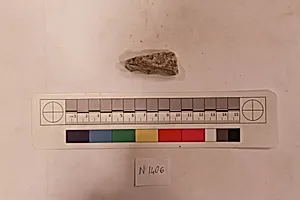
Medium
Stucco (mortar); carved, painted
Dimensions
L4 x W 1.5x H2
Classification
Stucco
Department
Islamic Art
Museum
Metropolitan Museum of Art, New York, NY
Credit
Rogers Fund, 1948
Accession Number
48.101.1708
Rights
Public Domain
Art Historical Context
This delicate stucco fragment, likely from the 8th to 12th century, a glimpse into the architectural splendor of early Islamic art. Crafted mortar-like stucco, it was meticulously carved and painted, showcasing the exquisite decorative techniques favored in mosques, palaces, and madrasas across the Islamic world. Measuring just 4 x 1.5 x 2 inches, this small survivor hints at larger ornamental panels or friezes that once sacred or elite spaces. Stucco emerged as a versatile medium in Islamic architecture during this era, bridging the Umayyad and Abbasid caliphates through to the Seljuk period—a time of cultural flourishing and artistic innovation. Artisans molded the soft material into intricate patterns, carving geometric motifs, arabesques, or floral designs before it set, then applying vibrant paints for added depth and color. This aniconic style emphasized rhythm and infinity, reflecting spiritual ideals without figurative representation. Acquired through the Rogers Fund in 1948, this fragment in the Metropolitan Museum of Art's Islamic Art collection underscores the fragility and allure of these artifacts. It invites us to imagine the lost grandeur of medieval Islamic buildings, where such craftsmanship elevated everyday surfaces into transcendent art.