
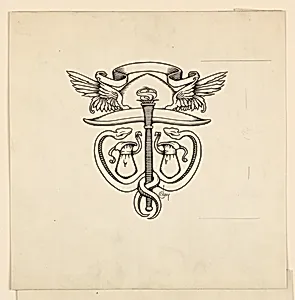
Tailpiece
Medium
graphic design
Classification
graphic design
Department
Smithsonian Collection
Museum
Smithsonian American Art Museum
Credit
Smithsonian American Art Museum
Accession Number
1953-48-79
Rights
Public Domain
About this artwork
Research in Progress
Art Historical Context
**Tailpiece** *Homer Wayland Colby (American, 1874–1950), ca. 1910* Graphic design; Smithsonian American Art Museum Created around 1910 by American artist Homer Wayland Colby, *Tailpiece* exemplifies early 20th-century graphic design, a period when printed materials like books, magazines, and advertisements flourished with decorative elements. As a tailpiece—a small ornamental motif traditionally placed at the end of a chapter or page—this work served both functional and aesthetic purposes, signaling closure while enhancing visual harmony. Colby's design reflects the era's emphasis on craftsmanship in typography and illustration, bridging the ornate Arts and Crafts influence with emerging modernist simplicity. Housed in the Smithsonian American Art Museum's collection, *Tailpiece* highlights the unsung artistry of graphic designers who shaped everyday visual culture. Though research on this piece is ongoing, it underscores Colby's contribution to American printmaking during a transformative time, when mass production met fine artistry. Visitors can appreciate how such subtle designs elevated printed media, inviting a closer look at the intricate details that once adorned countless publications.