
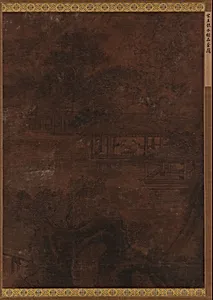
Tasting Tea in a Pavilion by the Water
16th century
Classification
Painting
Department
Smithsonian Collection
Museum
Smithsonian American Art Museum
Credit
Gift of Charles Lang Freer
Accession Number
F1919.169
Rights
Public Domain
Tags
About this artwork
To 1919
Art Historical Context
Nestled within the Smithsonian American Art Museum's collection *Tasting Tea in a by the Water* is a captivating 16th-century Chinese painting the Ming dynasty (136–1644). This anonymous work depicts a serene landscape scene featuring a man savoring tea in an elegant pavilion beside tranquil waters, evoking the refined pleasures of literati culture. During the Ming era, such artworks celebrated harmony with nature, blending human figures modestly into vast, misty vistas—a hallmark of Chinese landscape painting that emphasized philosophical contemplation over realism. The painting's cultural significance lies in its portrayal of tea tasting, a ritual central to Chinese scholarly life, symbolizing mindfulness and aesthetic appreciation. Pavilions by water were ideal settings for such pursuits, reflecting ideals from Confucian and Daoist traditions. Though the medium remains unidentified, Ming paintings often employed ink and subtle colors on silk or paper, showcasing masterful brushwork to convey atmosphere and depth. Generously gifted by collector Charles Lang Freer, whose passion for Asian art enriched American museums, this piece entered the Smithsonian collection by 1919. It invites visitors to pause and ponder the timeless elegance of Ming artistry, bridging East and West in quiet beauty.
About the Artist
Unknown
The artist designated as "Unknown" in our virtual museum's collection exemplifies a poignant chapter in art history: creators whose identities have faded into obscurity despite the enduring power of their work. With only one known artwork attributed to them in our holdings, this figure represents countless anonymous hands that shaped visual culture across centuries. Museums worldwide, including th...