
Teabowl
ca. 1820
Medium
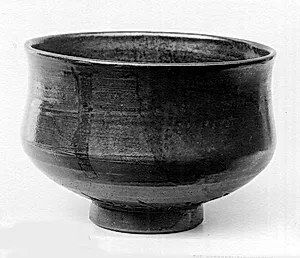
Reddish brown clay; thin brown glaze with thick black overglaze on one side of the exterior and opposite side of the interior (Sado ware)
Dimensions
H. 3 1/8 in. (7.9 cm); Diam. 4 5/8 in. (11.7 cm)
Classification
Ceramics
Culture & Period
Japan · Edo period (1615–1868)
Department
Asian Art
Museum
Metropolitan Museum of Art, New York, NY
Credit
The Howard Mansfield Collection, Gift of Howard Mansfield, 1936
Accession Number
36.120.529
Rights
Public Domain
Art Historical Context
Nestled in the Metropolitan Museum of Art's Asian Art collection, this elegant teabowl by Sashu Kintaro, crafted around 1820, exemplifies the refined ceramics of Japan's Edo period (16151868). Made from reddish brown clay typical of Sado ware—produced on the remote Sado Island—the bowl stands just 3⅛ inches tall with a4⅝-inch diameter, perfect for the intimate ritual of chanoyu, the Japanese tea ceremony. glazing is a masterful touch: a thin brown covers the surface, accented by a thick black overglaze on one exterior side and the opposite interior side, creating a dynamic interplay of light and shadow that invites the user to appreciate its asymmetry. Sado ware, known for its robust clays and earthy tones, emerged as a regional style during the Edo era, when Japan's tea culture flourished under peaceful Tokugawa rule. Potters like Kintaro drew on wabi-sabi principles, celebrating imperfection and natural beauty in everyday objects. The bold black overglaze technique highlights the clay's warmth, adding depth and contrast that would enhance the steam rising from matcha during a tea gathering. A gift from the Howard Mansfield Collection in 1936, this teabowl transports us to a time when such vessels were not mere utensils but vessels of mindfulness and artistry. Visitors, hold it in your imagination—feel the subtle weight and the glaze's subtle sheen, a timeless bridge to Edo Japan's serene elegance.