
Textile
Unknown Artist
10th–11th century
Medium
Silk
Dimensions
Overall: 1 1/2 × 4 in. (3.8 × 10.2 cm) Storage (pressure mounted in glass): 1 9/16 × 4 1/8 in. (4 × 10.5 cm)
Classification
Textiles-Woven
Culture
Byzantine
Department
Medieval Art
Museum
Metropolitan Museum of Art, New York, NY
Credit
Fletcher Fund, 1946
Accession Number
46.156.48
Rights
Public Domain
Art Historical Context
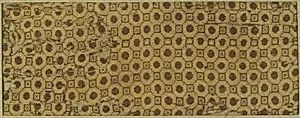
This exquisite silk textile, crafted by an unknown artist in the Byzantine during the 10th–11th century, offers a glimpse into the opulent world of medieval luxury goods. Measuring just 1 1/2 × 4 inches, this woven fragment survives as a testament to the empire's mastery of silk production, centered in Constantinople Byzantine silks were highly prized across Europe and the Islamic world, often traded along the Silk Road and used in imperial garments, church vestments, or diplomatic gifts. The textile's woven technique—classified as a "Textiles-Woven" piece—highlights the sophisticated looms and dyes of the era. Silk, a material symbolizing wealth and divine favor, was woven with intricate patterns typical of Byzantine design, blending Christian iconography with Eastern motifs. These fragments, like this one acquired through the Fletcher Fund in 1946, were preserved in the Metropolitan Museum of Art's Medieval Art collection, underscoring their rarity and cultural prestige. Though small, this artifact evokes the Byzantine Empire's role as a cultural bridge between East and West, where artistry served both aesthetic and spiritual purposes. Visitors can marvel at how such delicate craftsmanship endured centuries, whispering stories of a thriving medieval textile industry.