
Textile Fragment
Unknown Artist
14th–15th century
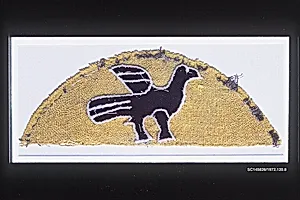
Medium
Wool
Dimensions
H. 3 1/4 in. (8.3 cm) W. 9 in. (22.9 cm)
Classification
Textiles-Embroidered
Department
Islamic Art
Museum
Metropolitan Museum of Art, New York, NY
Credit
Rogers Fund, 1972
Accession Number
1972.120.8
Rights
Public Domain
Tags
Art Historical Context
This delicate wool textile fragment, embroidered during the 14th–15th century, offers a glimpse into the rich of Islamic art. Housed in the Metropolitan Museum of Art's of Islamic Art (acquired through the Rogers Fund in 2), it measures a modest 3¼ × 9 inches (8.3 × 22.9 cm). Though created by an unknown artist, its intricate bird motifs—evident from the tags—reflect the's fascination with nature-inspired designs, common in textiles from regions like the eastern Mediterranean or Central Asia. Embroidered on wool, a durable yet luxurious medium for the time, this piece showcases skilled needlework techniques that blended functionality with artistry. Wool textiles were prized for garments, furnishings, and ceremonial objects, often featuring stylized animals and birds symbolizing prosperity, protection, or the afterlife in Islamic culture. The embroidery likely employed chain stitches or couching, creating vibrant patterns that endured despite the fragment's small survival. As a survivor from the medieval Islamic world—a period of flourishing trade and cultural exchange—this fragment highlights textiles' role as portable art forms. Visitors can appreciate how such works bridged daily life and spiritual expression, their bird imagery evoking the poetic gardens of paradise described in Islamic literature. A true treasure for pondering the hands that once wove beauty into the everyday.