
Textile
1851–63
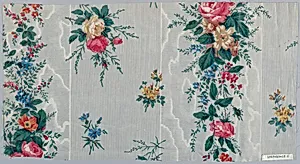
Classification
printed, dyed & painted textiles
Department
Smithsonian Collection
Museum
Smithsonian American Art Museum
Credit
Gift of Bruce Buttfield
Accession Number
1967-10-12-c
Rights
Public Domain
About this artwork
Research in Progress
Art Historical Context
This exquisite *Textile* by Schwartz-Huguenin, created 1851 and 1863, exemplifies the artistry of mid-19th-century production. Housed in the Smithsonian American Art Museum Smithsonian Collection, it was generously gifted by Bruce Buttfield. Classified as a printed, dyed and painted textile—though the exact medium awaits further study—this piece highlights the sophisticated techniques of its era, where artisans combined printing for bold patterns, dyeing for rich colors, and hand-painting for intricate details. During the 1850s and 1860s, textiles like this were central to American domestic life and emerging industrial design, reflecting the Victorian taste for ornate home furnishings and fashion. Schwartz-Huguenin's work likely contributed to the growing market for decorative fabrics, blending craftsmanship with mechanized innovation amid the Industrial Revolution. These methods allowed for vibrant, repeatable motifs that adorned curtains, upholstery, and clothing, symbolizing prosperity and cultural refinement. Currently under research, this textile invites visitors to ponder its untold stories—perhaps influences from European workshops or American adaptation. It reminds us how everyday materials carry historical depth, bridging art and daily life in a transformative period.