
The Cañons of Colorado
Medium
Graphic Arts-Mechanical Reproduction
Classification
Graphic Arts-Mechanical Reproduction
Department
Smithsonian Collection
Museum
Smithsonian American Art Museum
Credit
Smithsonian American Art Museum, Gift of Mr. Ernest Birdseye Bayliss
Accession Number
1995.49.4
Rights
Public Domain
Tags
Art Historical Context
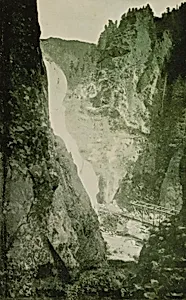
William H. Jackson's *The Cañons of Colorado* captures the raw majesty of the American West, showcasing towering canyons, rugged rocks, and cascading waterfalls in a region that defined frontier exploration. As one of the 19th century's premier photographers, Jackson documented the untamed landscapes of Colorado during expeditions like Ferdinand Hayden's Geological Survey in the 1870s. His images, often reproduced for widespread distribution, fueled national fascination with the West and bolstered arguments for preserving its natural wonders as national parks. This work is a mechanical reproduction in graphic arts—a printed version of Jackson's original photograph—highlighting the era's innovative techniques for sharing photography with the masses. Before digital imaging, such halftone or photogravure processes made his vistas accessible in books, magazines, and portfolios, shaping public imagination and tourism. Housed in the Smithsonian American Art Museum through a generous gift from Ernest Birdseye Bayliss, it exemplifies how visual art propelled conservation and cultural identity. Visitors will appreciate how Jackson's precise composition draws the eye from shadowed canyon depths to sunlit falls, evoking the thrill of discovery in Colorado's dramatic geology. A testament to art's power in storytelling. (198 words)