
The Tiger Lily
1886
Classification
printed, dyed & painted textiles
Department
Smithsonian Collection
Museum
Smithsonian American Art Museum
Credit
Gift of Mr. and Mrs. G. Glen Gould
Accession Number
1952-105-25
Rights
Public Domain
About this artwork
Research in Progress
Art Historical Context
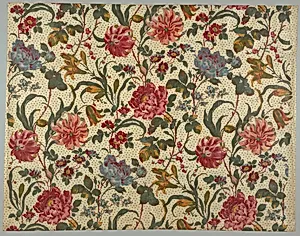
### The Tiger Lily Created in 1886 by Arthur Wilcock, *The Tiger Lily* is captivating example of 19th-century American textile art, classified as printed, dyed, and painted. This piece belongs to the Smithsonian American Art Museum's collection, gifted by Mr. and Mrs. G. Glen. Dating to the late Victorian era, it reflects the era's fascination with ornate decorative arts, where textiles served as both functional objects and statements of beauty in homes and public spaces. Floral motifs like the tiger lily—vibrant and exotic—were immensely popular, symbolizing prosperity and nature's boldness in an age of rapid industrialization. The artwork's multi-layered techniques—printing for bold patterns, dyeing for rich colors, and hand-painting for intricate details—highlight the skilled craftsmanship of the period. These methods allowed artists to blend mass production with personal artistry, bridging the gap between utility and fine art. Though the exact medium remains under study (research in progress), such textiles were prized for their versatility in furnishings, clothing, and wall hangings, influencing interior design trends. Visitors to the Smithsonian will appreciate *The Tiger Lily* as a window into Gilded Age aesthetics, where everyday materials became canvases for creativity. Ongoing research promises to uncover more about Wilcock's techniques and inspirations—stay tuned for updates!