
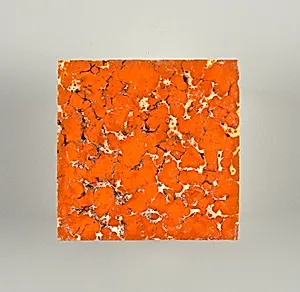
Tile
18th century
Medium
ceramics
Classification
ceramics
Department
Smithsonian Collection
Museum
Smithsonian American Art Museum
Credit
Smithsonian American Art Museum
Accession Number
1980-8-3
Rights
Public Domain
About this artwork
Research in Progress
Art Historical Context
This enigmatic 18th-century ceramic tile the Smithsonian American Art Museum visitors to ponder the everyday artistry of colonial America. As research on this piece is still in progress, its exact origins and creator remain a tantalizing mystery, yet it exemplifies the humble yet skilled craftsmanship of the period. Likely produced in workshops influenced by European traditions like Dutch delft or English tin-glazed wares, such tiles adorned fireplaces, hearths, interiors, blending utility with subtle decoration. Ceramics were a cornerstone of 18th-century American material culture, often handmade from local clays and fired in wood-burning kilns. This tile's medium highlights the era's resourcefulness—artisans adapted imported techniques to available materials, creating durable pieces that survived generations. Its presence in the Smithsonian Collection underscores the growing recognition of vernacular arts, once overlooked in favor of paintings and sculptures. Though details are sparse, this tile whispers stories of colonial homes, trade routes, and anonymous makers whose work shaped American aesthetics. A reminder that history hides in the fragments we preserve. (178 words)
About the Artist
Unknown
The artist designated as "Unknown" in our virtual museum's collection exemplifies a poignant chapter in art history: creators whose identities have faded into obscurity despite the enduring power of their work. With only one known artwork attributed to them in our holdings, this figure represents countless anonymous hands that shaped visual culture across centuries. Museums worldwide, including th...