
Tiraz Fragment
Unknown Artist
dated A.H. 304/ 916–17 CE
Medium
Linen and silk; embroidered
Dimensions
H. 7 7/8 in. (20 cm) W. 18 1/2 in. (47 cm)
Classification
Textiles-Embroidered
Department
Islamic Art
Museum
Metropolitan Museum of Art, New York, NY
Credit
Rogers Fund, 1955
Accession Number
55.69.3
Rights
Public Domain
Art Historical Context
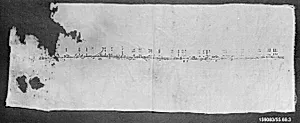
Behold the *Tiraz Fragment*, a survivor from the Islamic world dated A.H. 304 (916–17 CE).ed from linen and silk with intricate embroidery, this narrow band measures just 7⅞ by 18½ inches, yet it whispers tales of opulence and imperial power. Produced in a royal workshop—known as a tiraz factory—these textiles were elite markers of status, often adorning garments or turbans of caliphs, officials, and dignitaries. Tiraz pieces like this one typically feature inscribed bands with the ruler's name, regnal year, and place of origin, serving as wearable propaganda that celebrated Abbasid patronage during a golden age of Islamic artistry. The embroidery technique, using fine silk threads on linen, highlights the mastery of Fatimid or Abbasid craftsmen, blending functionality with splendor. Though a mere fragment, it evokes the vibrant textile trade routes linking Egypt, Iraq, and beyond. Housed in the Metropolitan Museum of Art's Islamic Art Department (Rogers Fund, 1955), this artifact invites us to marvel at how everyday luxury preserved history's echoes, bridging the 10th century to our modern gaze.