
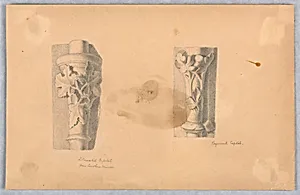
Two Studies of Capitals
Medium
architecture
Classification
architecture
Department
Smithsonian Collection
Museum
Smithsonian American Art Museum
Credit
Gift of Mrs. Arnold W. Brunner
Accession Number
1948-47-264
Rights
Public Domain
About this artwork
Research in Progress
Art Historical Context
**Two Studies of Capitals** *Arnold William Brunner (American, 1857–1925), ca. 1879* *Architecture; Smithsonian American Art Museum, Gift of Mrs. Arnold W. Brunner* Created around 1879, when Arnold William Brunner was just beginning his distinguished career as an architect, *Two Studies of Capitals* offers a glimpse into the meticulous training of a young American artist on the cusp of the Gilded Age. Capitals—the ornate tops of columns—are fundamental elements of classical architecture, and these studies likely represent Brunner's early exercises in observing and rendering intricate details from historical precedents, such as Greek, Roman, or Renaissance designs. At age 22, Brunner was honing skills that would later define his Beaux-Arts masterpieces, blending European tradition with American innovation during a time when the nation was rapidly urbanizing and embracing grand public buildings. As architectural drawings, these works highlight the preparatory nature of the medium, where precision in line and proportion laid the groundwork for monumental structures. Brunner's focus on capitals underscores their symbolic role in evoking stability, grandeur, and cultural heritage—essentials for architects shaping America's emerging skyline. Donated by his widow to the Smithsonian American Art Museum, these sketches preserve a personal touchstone of his journey from student draftsman to leading figure in early 20th-century design, inviting visitors to appreciate the quiet artistry behind architectural icons. (198 words)