
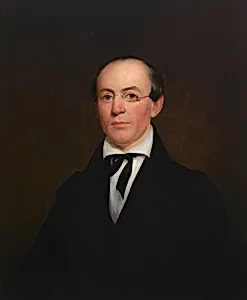
William Lloyd Garrison
Medium
Painting
Classification
Painting
Department
Smithsonian Collection
Museum
Smithsonian American Art Museum
Credit
National Portrait Gallery, Smithsonian Institution; bequest of Garrison Norton
Accession Number
NPG.96.102
Rights
Public Domain
Tags
About this artwork
Born Newburyport, Massachusetts
Art Historical Context
This compelling 1833 portrait by Nathaniel Jocelyn (1796–1881) captures William Lloyd Garrison, a towering figure in American reform movements. Painted at the height of the abolitionist struggle, it depicts the Massachusetts-born activist in an intimate interior setting, complete with eyeglasses that underscore his role as a sharp-minded lecturer and newspaper publisher. Now part of the Smithsonian American Art Museum's collection, thanks to the bequest of Garrison Norton, the work exemplifies 19th-century portraiture's power to immortalize reformers. Garrison's historical significance shines through: as a fierce abolitionist, suffragist, and temperance advocate, he founded *The Liberator* in 1831, using its pages to demand immediate emancipation and challenge slavery's moral horrors. This portrait, created just two years later, reflects the era's growing fervor for social justice, positioning Garrison as a beacon of radical change amid national division. Jocelyn's oil painting technique highlights fine details—like the subject's expressive features and scholarly attire—lending a sense of immediacy and dignity. Such portraits were vital cultural artifacts, preserving the likenesses of activists who reshaped American ideals of freedom and equality.