
Yamato warabe
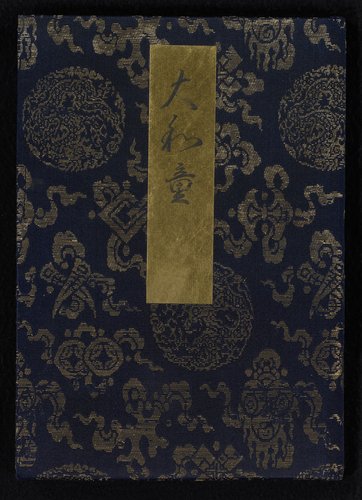
Medium
paper
Dimensions
154; 221
Rights
Public Domain
About this artwork
collector's mark: Lugt 2760
Art Historical Context
Nishikawa Sukenobu’s “Yamato warabe,” created in 1731, offers a delicate glimpse into early eighteenth-century Japanese visual culture. Working in Kyoto during the Edo period, Sukenobu was celebrated for his sensitive portrayals of everyday life, especially women and children. The title, which evokes images of traditional Japanese children, suggests the work celebrates youthful innocence within a distinctly native, or “Yamato,” aesthetic. Measuring just 221 by 154 millimeters and executed on paper, the piece likely served as a book illustration or single-sheet print. Such intimate formats allowed Sukenobu’s graceful line work and subtle ink tones to reach a wide audience through woodblock reproduction, making refined imagery accessible beyond elite circles. The presence of collector’s mark Lugt 2760 further hints at the print’s journey through distinguished collections, underscoring its enduring appeal to connoisseurs. Today the work invites viewers to appreciate the quiet charm of Sukenobu’s figures and the cultural pride embedded in its title, reminding us how even small sheets of paper carried rich stories of Japanese identity.
About the Artist
Nishikawa Sukenobu · 1671–1751
Japanese, 1671–1750