
Arts of Asia — Page 145
9,604 artworks · Art Institute of Chicago
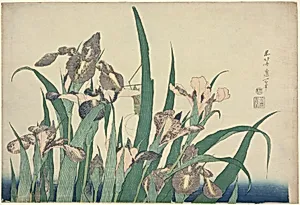
Iris and Grasshopper, from an untitled series of large flowers
Katsushika Hokusai, c. 1833/34
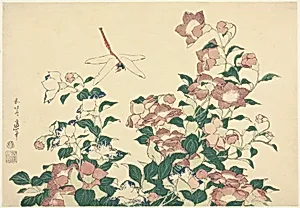
Bell-Flower and Dragonfly, from an untitled series of large flowers
Katsushika Hokusai, c. 1833/34
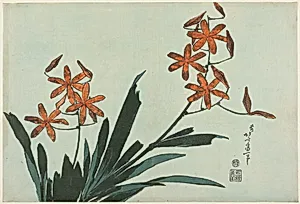
Orange Orchids, from an untitled series of flowers
Katsushika Hokusai, c. 1832
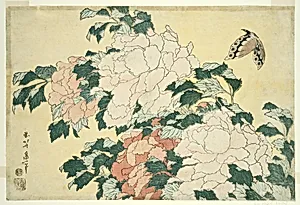
Peonies and Butterfly, from an untitled series of large flowers
Katsushika Hokusai, c. 1833/34
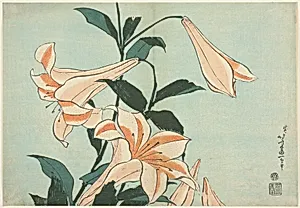
Lilies, from an untitled series of Large Flowers
Katsushika Hokusai, c. 1833/34
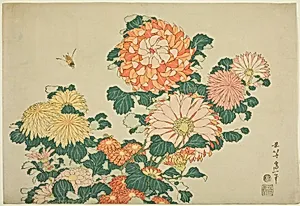
Chrysanthemums and Bee, from an untitled series of Large Flowers
Katsushika Hokusai, c. 1831–33
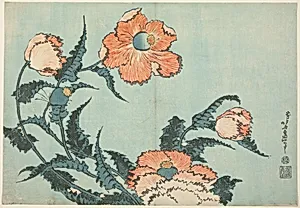
Poppies, from an untitled series of flowers
Katsushika Hokusai, c. 1832
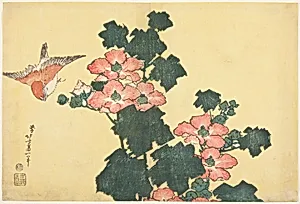
Cotton Roses and Sparrow, from an untitled series of Large Flowers
Katsushika Hokusai, c. 1833/34
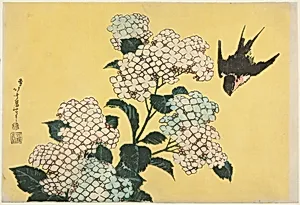
Hydrangea and Swallow, from an untitled series of large flowers
Katsushika Hokusai, c. 1833/34
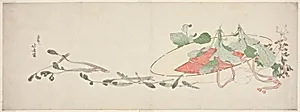
Flowers and spring greens in a hat
Katsushika Hokusai, c. 1801
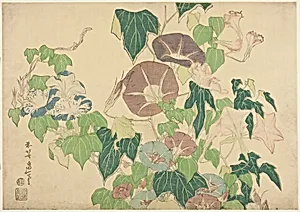
Morning Glories and Tree-frog, from an untitled series of Large Flowers
Katsushika Hokusai, c. 1833/34
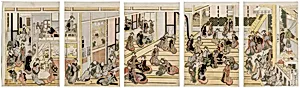
New Year's Day at Ogi-ya brothel
Katsushika Hokusai, 1811
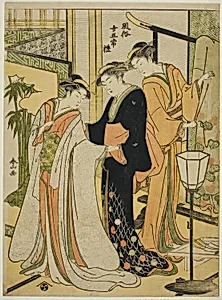
Courteousness (Rei), from the series "Five Virtues in the Manners of Women (Fuzoku onna gojo)"
Katsukawa Shunzan, c. 1781/1801
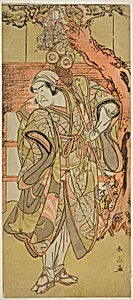
The Actor Nakamura Nakazo I as a peddler of toys
Katsukawa Shunzan, c. 1782/90
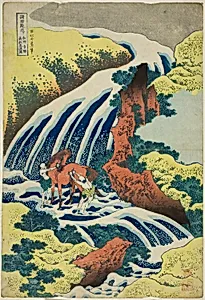
Yoshitsune’s Horse-Washing Falls at Yoshino in Yamato Province (Washū Yoshino Yoshitsune uma arai no taki), from the series Tour of the Waterfalls in Various Provinces (Shokoku taki meguri)
Katsushika Hokusai, About 1833
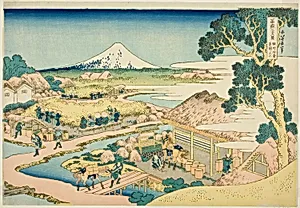
The Tea Plantation of Katakura in Suruga Province (Sunshu Katakura chaen no Fuji), from the series "Thirty-six Views of Mount Fuji (Fugaku sanjurokkei)"
Katsushika Hokusai, c. 1830/33
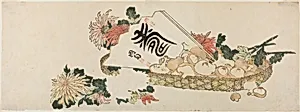
An Autumn Gift
Katsushika Hokusai, n.d.

Hares and Roses
Katsushika Hokusai, c. 1783
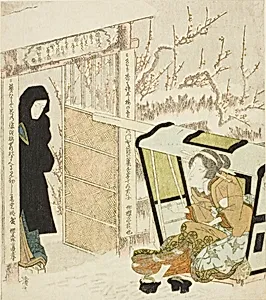
Courtesan Stepping out of a Palanquin
Keisai Eisen, c. early 1820s
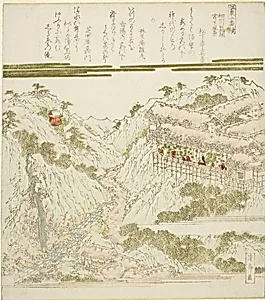
View of Miyanoshita Hot Springs in Hakone, Soshu, from the series "Hot Springs - A Diptych (Onsen niban tsuzuki)"
Keisai Eisen, c. 1820s
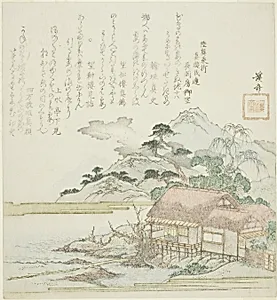
A Poet Looking out of his Lakeside Hut
Keisai Eisen, c. 1820s
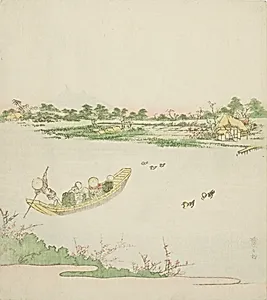
A Ferryboat Crossing the Sumida River
Keisai Eisen, c. 1820s
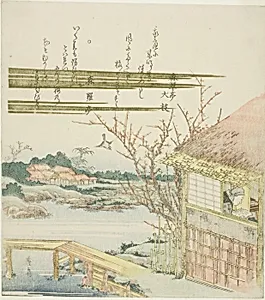
Scholar Reading in a Hut
Keisai Eisen, c. 1820s
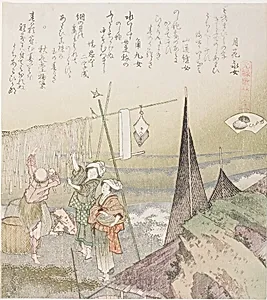
Hanging Abalone Out to Dry, illustration for Abalone (Awabi), from the series "A Matching Game with Genroku-period Poem Shells (Genroku kasen kai awase)"
Katsushika Hokusai, 1821
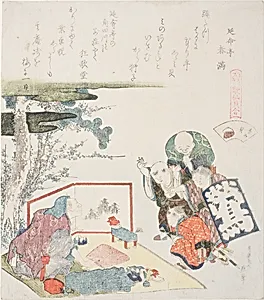
The Toy Seller, illustration for The Fresh-Water Clam (Shijimigai), from the series "A Matching Game with Genroku-period Poem Shells (Genroku kasen kai awase)"
Katsushika Hokusai, 1821
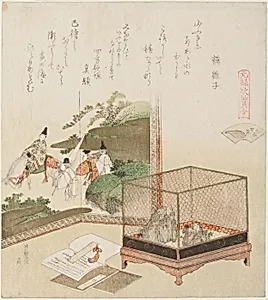
Frogs in a Cage Before a Painted Screen, illustration for The Dry-Shallows Shell (Minasegai), from the series "A Matching Game with Genroku-period Poem Shells (Genroku kasen kai awase)"
Katsushika Hokusai, 1821
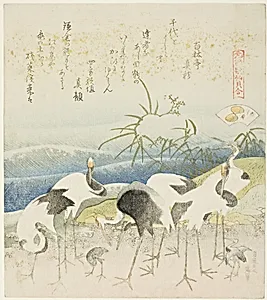
Cranes by the Shore, illustration for The Leg Shell (Ashigai), from the series "A Matching Game with Genroku-period Poem Shells (Genroku kasen kai awase)"
Katsushika Hokusai, 1821
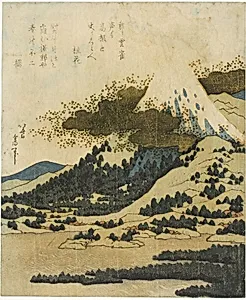
Mount Fuji from Lake Ashi in Hakone
Katsushika Hokusai, c. 1830/35
![No. 20: Rain on the Hiratsuka Plain near Kutsukake Station (Niju: Kutsukake no eki, Hiratsukahara uchu no kei), from the series "[Sixty-nine Stations of the] Kisokaido" by Keisai Eisen](https://images.artheonmuseum.org/aic/thumb/no-20-rain-on-the-hiratsuka-plain-near-kutsukake-aic-26507.webp)
No. 20: Rain on the Hiratsuka Plain near Kutsukake Station (Niju: Kutsukake no eki, Hiratsukahara uchu no kei), from the series "[Sixty-nine Stations of the] Kisokaido"
Keisai Eisen, c. 1835/36
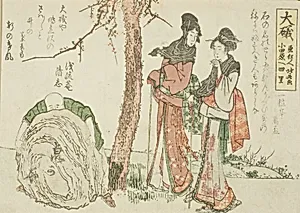
Oiso, from an untitled series of the fifty-three stations of the Tokaido
Katsushika Hokusai, c. 1804
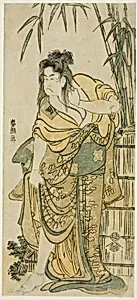
The Actor Ichikawa Komazo as a Woman with Dishevelled Hair
Katsushika Hokusai, c. 1791
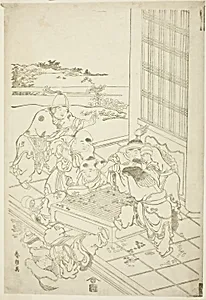
Chinese and Tartar Boys Quarreling over a Game of Go
Katsushika Hokusai, c. 1790
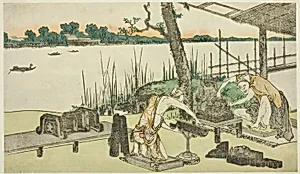
Potters at Work - Imado
Katsushika Hokusai, c. 1808
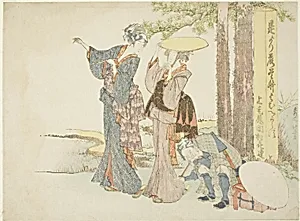
Travelers stopping at a mile post
Katsushika Hokusai, c. 1805/06
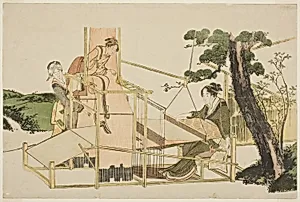
Women weaving on a loom
Katsushika Hokusai, late 1810s and/or early 1820s
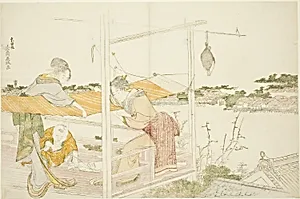
Women on a Veranda Stretching Cloth to Dry
Katsushika Hokusai, c. 1799
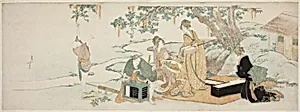
Picnic party
Katsushika Hokusai, c. 1801/07
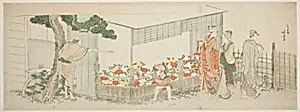
The Peony Show
Katsushika Hokusai, c. 1799
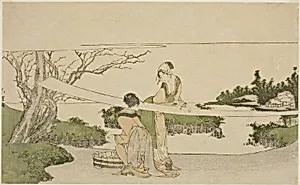
Two women stretching cloth
Katsushika Hokusai, c. 1797/98
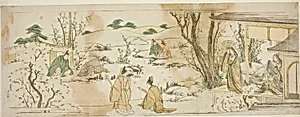
Courtly event modeled on the Lanting Gathering
Katsushika Hokusai, c. 1801/07
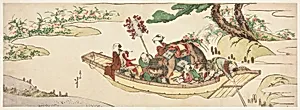
Ferry boat
Katsushika Hokusai, n.d.
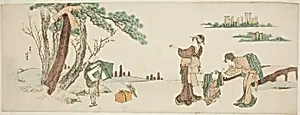
Boy releasing a kite
Katsushika Hokusai, c. 1800/10
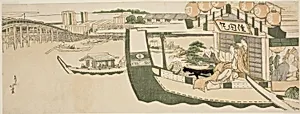
Boating parties on the Sumida River
Katsushika Hokusai, c. 1808/12
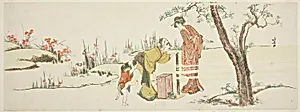
Making paper cords for tying hair
Katsushika Hokusai, c. 1801/18
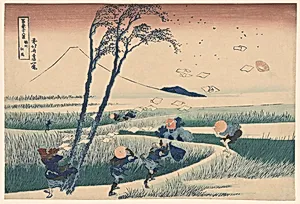
Ejiri in Suruga Province (Sunshu Ejiri), from the series "Thirty-six Views of Mount Fuji (Fugaku sanjurokkei)"
Katsushika Hokusai, c. 1830/33
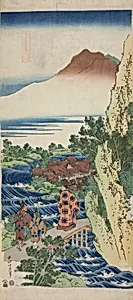
Harumichi no Tsuraki, from the series "A True Mirror of Japanese and Chinese Poems (Shiika shashin kyo)"
Katsushika Hokusai, c. 1833/34
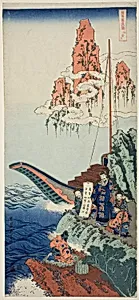
Bai Juyi (Japanese: Hakurakuten), from the series "A True Mirror of Japanese and Chinese Poems (Shiika shashin kyo)"
Katsushika Hokusai, c. 1833/34
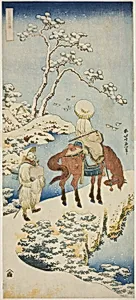
Horseman in Snow, from the series "A True Mirror of Japanese and Chinese Poems (Shiika shashin kyo)"
Katsushika Hokusai, c. 1833/34