
Arts of Asia — Page 75
9,604 artworks · Art Institute of Chicago
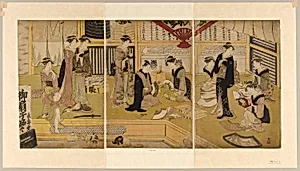
The Mieido Fan Shop
Utagawa Toyokuni I, c. 1785/1800
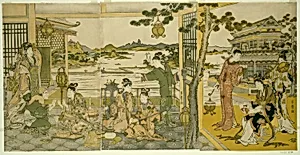
Chinese Beauties at a Banquet
Kitagawa Utamaro, 1788/90
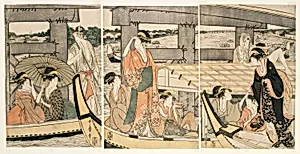
On top and beneath Ryogoku Bridge (Ryogokubashi no ue, shita)
Kitagawa Utamaro, c. 1795/96
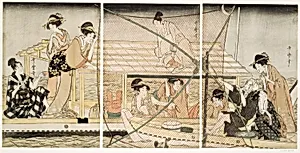
The Scoop-Net
Kitagawa Utamaro, c. 1800/01
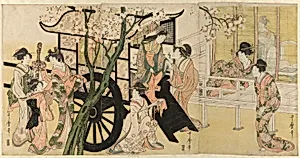
An Imperial Carriage
Kitagawa Utamaro, c. 1801/04
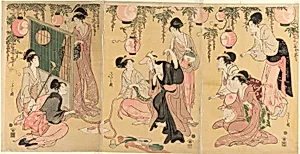
A Parody of Yuranosuke in the Pleasure Quarters (Mitate Yuranosuke yukyo)
Chôbunsai Eishi, n.d.
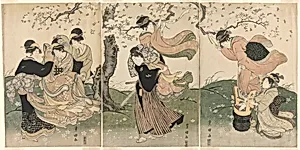
A Windy Day under the Cherry Trees
Utagawa Toyokuni I, c. 1797
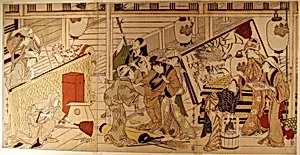
House cleaning in preparation for the New Year
Kitagawa Utamaro, late 1790s
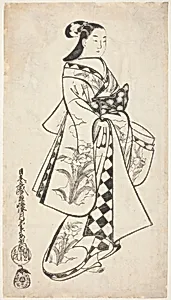
Standing Beauty
Kaigetsudo Anchi, About 1714
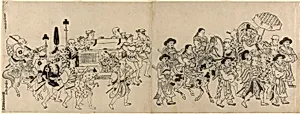
Arrival of the Korean Embassy in Edo
Torii Kiyonobu I, c. 1709
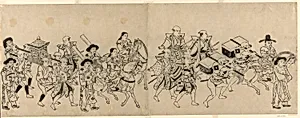
Arrival of the Korean Embassy in Edo
Torii Kiyonobu I, c. 1709
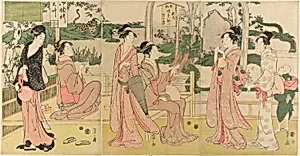
Women viewing dragon and tiger made of tobacco pouches
Chôbunsai Eishi, c. 1795
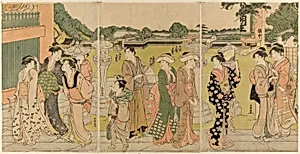
Visiting a temple dedicated to Fudo
Katsukawa Shunchô, c. 1780/1801
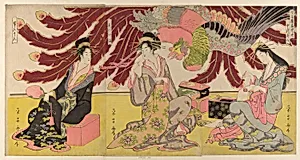
The Courtesans of the Chojiya on Display in the Daytime (Chojiya hirumise)
Chokosai Eisho, c. 1796/98
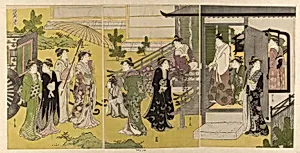
Fuji no uraba, from the series "A Fashionable Parody of the Tale of Genji (Furyu yatsushi Genji)"
Chôbunsai Eishi, c. 1789/94
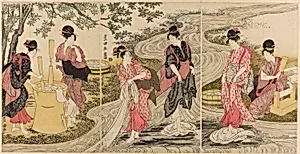
Washing Cloth in a Stream
Utagawa Toyokuni I, c. 1797
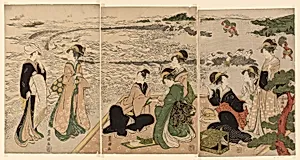
A seaside outing
Utagawa Toyokuni I, c. 1801/04
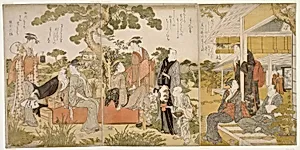
Enjoying the Cool in a Garden
Kitagawa Utamaro, c. 1788/90
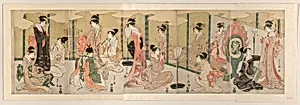
Parody of The Book of Joruri
Chôbunsai Eishi, c. 1789/1801
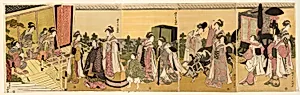
Parody of Prince Genji and his procession
Rekisentei Eiri, c. 1790/1800
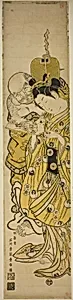
Young Woman and Hotei
Ishikawa Toyonobu, c. 1741
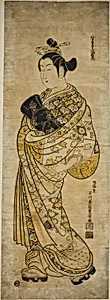
The Yoshiwara in Edo - A Set of Three (Edo Yoshiwara sanpukutsui)
Ishikawa Toyonobu, c. 1736/44
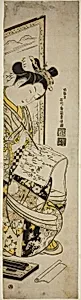
Woman Writing a Letter in Front of a Screen
Ishikawa Toyonobu, early 1740s
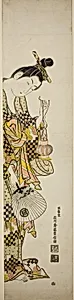
A Courtesan Holding a Lantern and a Fan
Ishikawa Toyonobu, c. 1745
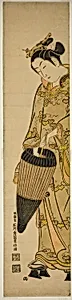
Young Woman with Umbrella
Ishikawa Toyonobu, c. 1740s
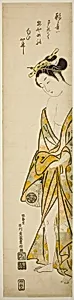
Young Woman after a Bath
Ishikawa Toyonobu, c. 1745
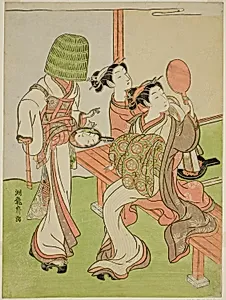
A Courtesan and Her Attendant Using Mirrors to Identify a Mendicant Monk
Isoda Koryusai, c. 1772
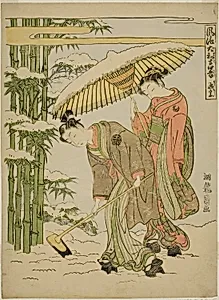
Moso (Chinese: Meng Zong), from the series "Fashionable Japanese Versions of the Twenty-four Paragons of Filial Piety (Furyu Yamato nijushiko)"
Isoda Koryusai, c. 1770/72
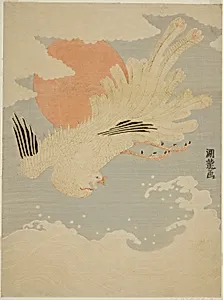
Phoenix Flying Over Waves in front of Morning Sun
Isoda Koryusai, c. 1772
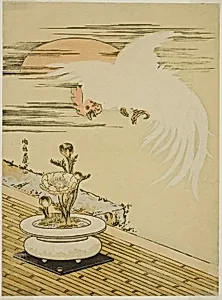
Cock Flying Over Pot of Adonis
Isoda Koryusai, c. 1770s
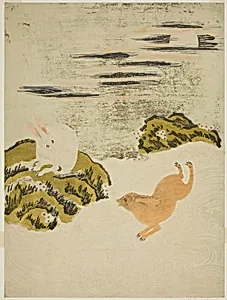
Hares Playing in Surf on a Moonlit Night
Isoda Koryusai, c. 1771
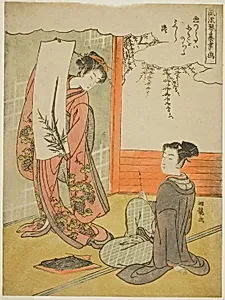
Painting, from the series "Fashionable Versions of the Four Accomplishments (Furyu kinkishoga)"
Isoda Koryusai, c. 1773/75
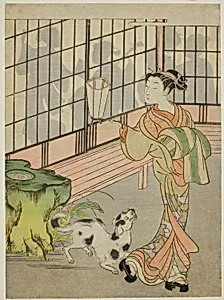
Courtesan Looking Back at Shadows on the Shoji
Isoda Koryusai, c. 1770
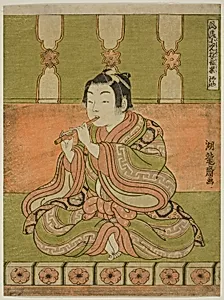
The Flute (Hichiriki), from the series "Fashionable Musical Amusements of Children (Furyu kodomo asobi ongaku)"
Isoda Koryusai, c. 1770/72
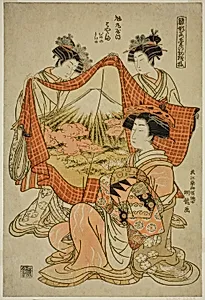
Hamaya of the Asahimaruya, from the series "Models for Fashion: New Designs as Fresh as Young Leaves (Hinagata wakana no hatsu moyo)"
Isoda Koryusai, c. 1778/80
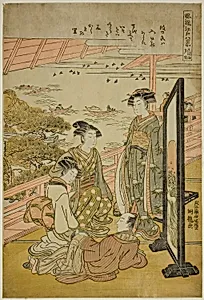
Evening Glow at Matsusaki (Matsusaki no sekisho), from the series "Eight Fashionabe Views of Edo (Furyu Edo hakkei)"
Isoda Koryusai, c. 1776/81
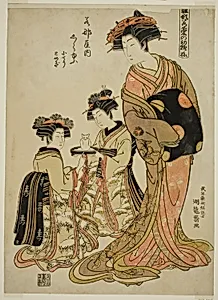
Shirayu of the Wakanaya, from the series "Models for Fashion: New Designs as Fresh as Young Leaves (Hinagata wakana no hatsu moyo)"
Isoda Koryusai, c. 1778/80
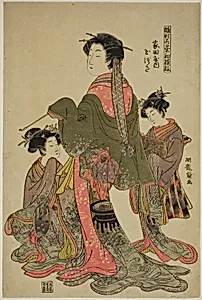
Tamazusa of Iedaya, from the series "Models for Fashion: New Designs as Fresh as Young Leaves (Hinagata wakana hatsu moyo)"
Isoda Koryusai, c. 1776
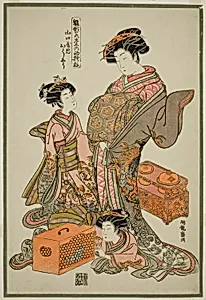
Oshu of the Yamaguchiya, from the series "Models for Fashion: New Designs as Fresh as Young Leaves (Hinagata wakana no hatsu moyo)"
Isoda Koryusai, c. 1777/78
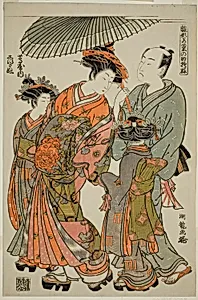
Shioginu of the Tsutaya, from the series "Models for Fashion: New Designs as Fresh as Young Leaves (Hinagata wakana no hatsu moyo)"
Isoda Koryusai, c. 1777/78
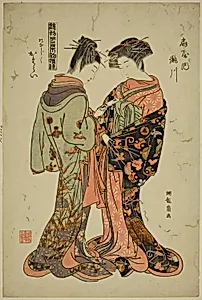
Takigawa and Katarai of the Ogiya, from the series "Models for Fashion: New Designs as Fresh as Young Leaves (Hinagata wakana hatsu moyo)"
Isoda Koryusai, c. 1776
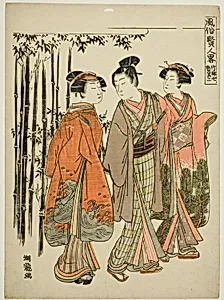
Seven Sages of the Bamboo Grove - No. 2 (Chikurin shichiken sono ni), from the series "Popular Versions of Sages (Fuzoku kenjin ryaku)"
Isoda Koryusai, c. 1776/81
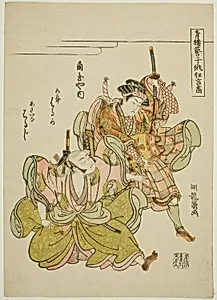
Haruka and Haruji of the Kadotamaya as Soga no Goro and Asaina Saburo in the armor-pulling scene, from the series "Comic Performances by the Entertainers of the Pleasure Quarters at the Niwaka Festival (Seiro geiko niwaka kyogen zukushi)"
Isoda Koryusai, c. 1776/81
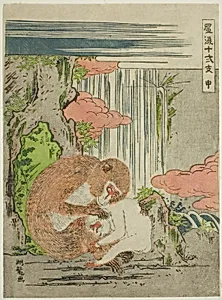
Monkey (Saru), from the series "Fashionable Twelve Signs of the Zodiac (Furyu juni shi)"
Isoda Koryusai, c. 1773/75
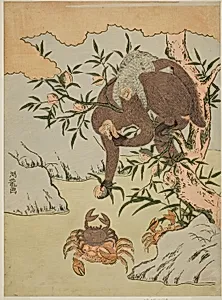
Monkey playing with crabs
Isoda Koryusai, c. 1772
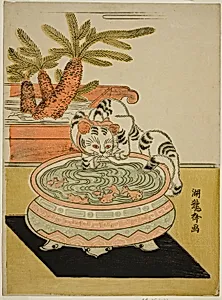
Cat Pawing at Goldfish
Isoda Koryusai, c. early 1770s
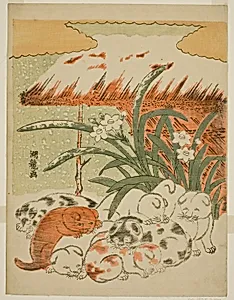
Puppies in the Snow
Isoda Koryusai, c. 1773
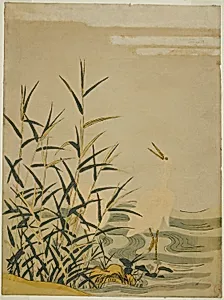
Egrets in the Reeds
Isoda Koryusai, c. 1774