
Arts of Asia — Page 97
9,604 artworks · Art Institute of Chicago
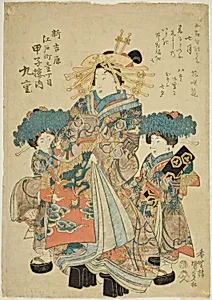
Courtesans with Kamuro
Utagawa Kunisada I (Toyokuni III), 1820
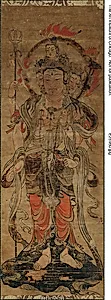
Bonten
Unknown, 15th century
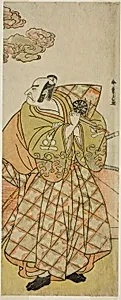
The Actor Nakamura Nakazo I as Watanabe no Tsuna in the Play Shitenno Tonoi no Kisewata, Performed at the Nakamura Theater in the Eleventh Month, 1781
Katsukawa Shunsho, c. 1781
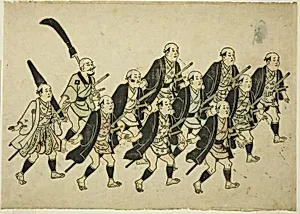
Procession of a Daimyo
Hishikawa Moronobu, c. 1681/84
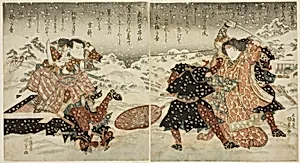
Warriors Fighting in the Snow
Utagawa Kunisada I (Toyokuni III), 19th century
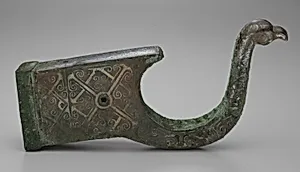
Bow Support for a Crossbow
Unknown, Eastern Zhou dynasty, Warring States period (480–221 B.C.), c. 4th century B.C.
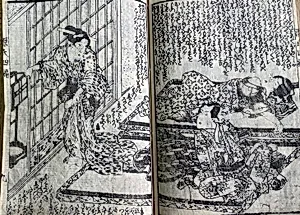
Nise Murasaki Inaka Genji (A Fake Murasaki and a Rural Genji)
Unknown, 19th century
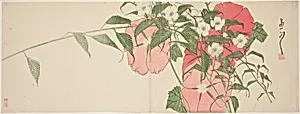
Flowers
Suiseki Sato, n.d.
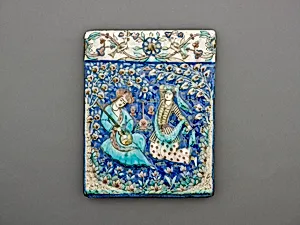
Tile with Musician and Dancer
Islamic, Qajar dynasty (1796–1925), 19th century
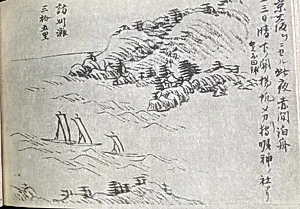
Seiyu nichibo (Diary of a Western trip)
Unknown, 1788
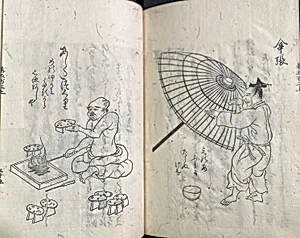
Gunsho Ruiju (Literature collection)
Unknown, c. 19th/20th century
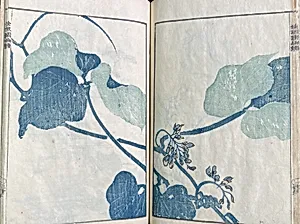
Kinpaengafu
Unknown, 1820
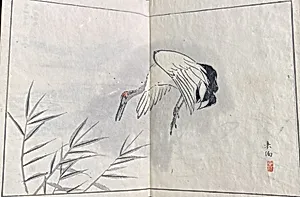
Keisei gaen/Keijo Gaen (A Garden of Pictures from the Capital)
Unknown, 1814
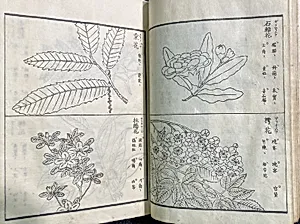
Haikai Kikizuko (Pictures of Seasonal Subjects for Haiku)
Unknown, 1842
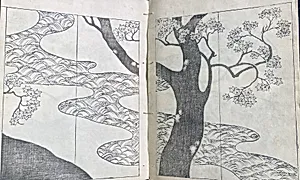
Korin Shinsen Hyakuzu (New Selection of Hundred Works by Korin)
Unknown, 1864
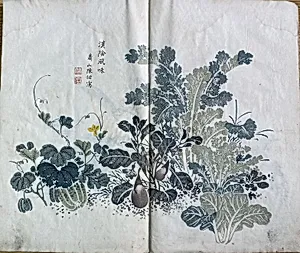
Yusai gafu (Yusai's picture album)
Unknown, 1831
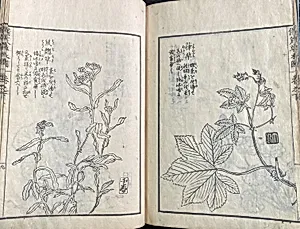
Biko Somokuzu (Record of Plants to Stave Off Famine ), 3 vols.
Unknown, 1833
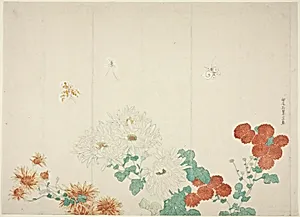
Three Types of Chrysanthemums
Kitao Shigemasa, c. 1790
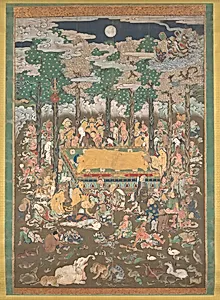
Nehan: Death of the Buddha
Unknown, late 17th/early 18th century
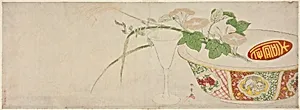
Plants, Porcelain Bowl, and Glass Goblet
Katsukawa Shunsho, c. 1789
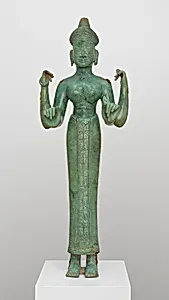
A Goddess
Cham, Champa period, 9th–10th century
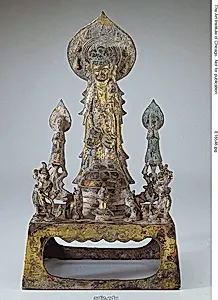
Shrine with Bodhisattva and Attendants
Unknown, Western Wei dynasty (535-556 CE)
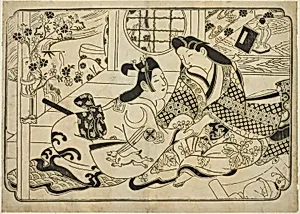
Dalliance
Sugimura Jihei, c. 1685
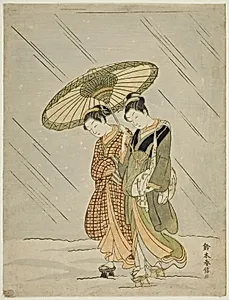
Snow on the Way Back from the Public Bath
Suzuki Harunobu, c. 1766/67
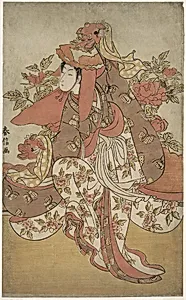
The Lion Dance
Suzuki Harunobu, c. 1769/70
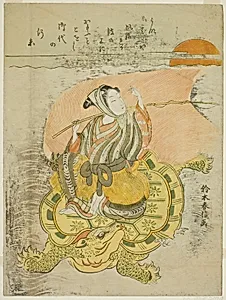
Young Man Riding a Giant Tortoise (parody of Urashima Taro)
Suzuki Harunobu, c. 1767/68
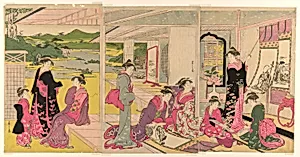
Women Viewing Scroll Paintings of the Gods of Good Fortune
Chôbunsai Eishi, late 18th–early 19th century
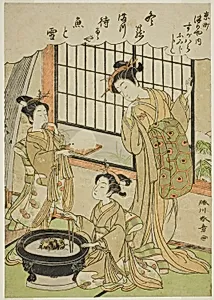
The Courtesan Sugawara of the Tsuruya House and Her Kamuro Namiji and Kashiko
Katsukawa Shunsho, 1771
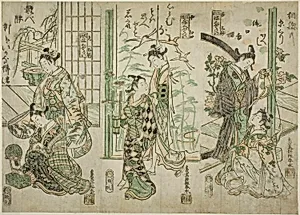
A Triptych of Fashionable No Plays (Furyu Utai Sambukutsui)
Miyagawa Shunsui, c. late 1750s
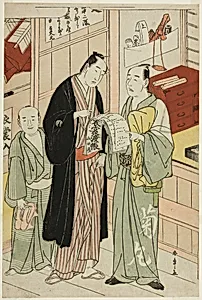
The Actor Onoe Matsusuke I in the Wardrobe Room of a Theater
Katsukawa Shunsho, c. 1780/83
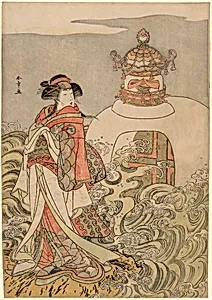
Actor Segawa Kikunojô III as the Dragon Princess in the Play “Saki Masuya Ume no Kachidoki”
Katsukawa Shunsho, About 1778
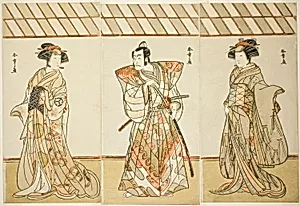
Actors Onoe Tamizô I, Ichikawa Danjûrô V, and Osagawa Tsuneyo II, in (possibly) “A Dandyish Brocade: Opposing Warriors” (“Date Nishiki Tsui noYumitori”)
Katsukawa Shunsho, About 1778
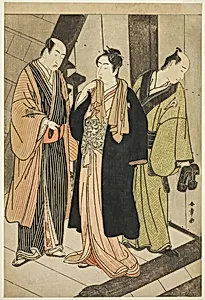
Actors Ichikawa Monnosuke II, Iwai Hanshirô IV, and (possibly) Iwai Karumo on a Landing Backstage
Katsukawa Shunsho, 1780–83
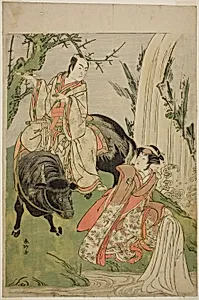
The Actors Segawa Kikunojo III as Princess Hatsune (Hatsune Hime) (right), and Ichikawa Monnosuke II as Miyukinosuke Yukinari, in the Play Otokoyama Furisode Genji, Performed at the Kiri Theater in the Eleventh Month, 1785
Katsukawa Shunkо̄, c. 1785
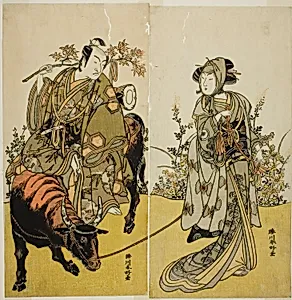
The Actors Iwai Hanshiro IV as Okume (right), and Ichikawa Monnosuke II as Koshiba Yukienojo Disguised as the Eboshi Seller Rokusaburo (left), in the Play Katakiuchi Adana Kashiku, Performed at the Nakamura Theater in the Seventh Month, 1779
Katsukawa Shunkо̄, c. 1779
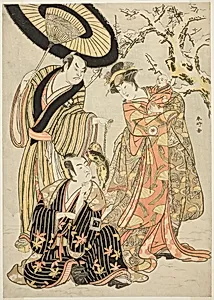
Actors Iwai Hanshirô IV, Ichikawa Monnosuke II, and Sakata Hangorô III, in “Snowflakes: Raising the Standard at Izu” (“Mutsu no Hana Izu no Hataage”)
Katsukawa Shunkо̄, About 1786
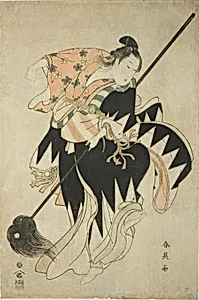
Youth Dancing with a Spear
Katsukawa Shun'ei, early 1790s
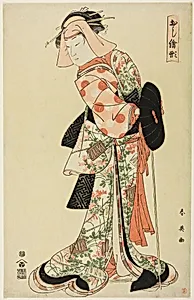
Dance Interlude “The Wife from Shinoda Forest" (“Shinodazuma”) in “Mirror of Ashiya Dôman and Ôuchi” (“Dôman Ôuchi kagami”), from the series Designs for Patchwork Pictures (Oshie-gata)
Katsukawa Shun'ei, About 1795
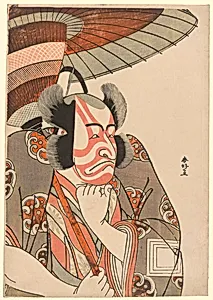
Half-Length Portrait of the Actor Ichikawa Danjuro V as Kazusa no Gorobei Tadamitsu in Act Three of the play Kitekaeru Nishiki no Wakayaka (Returning Home in Splendor), Performed at the Nakamura Theater from the First Day of the Eleventh Month, 1780
Katsukawa Shunkо̄, c. 1780
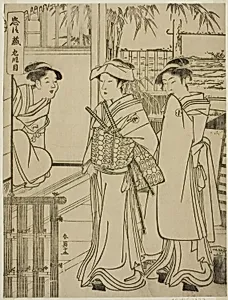
Act Nine: Yuranosuke's House in Yamashina from the play Chushingura (Treasury of the Forty-seven Loyal Retainers)
Katsukawa Shun'ei, early 1790s
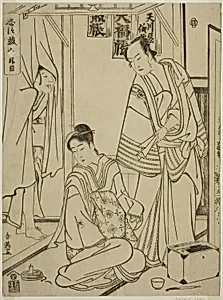
Act Ten: The Amakawaya House from the play Chushingura (Treausry of the Forty-seven Loyal Retainers)
Katsukawa Shun'ei, early 1790s
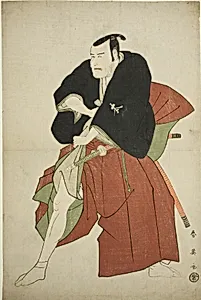
The Actor Matsumoto Koshiro IV as Kakogawa Honzo in the Play Kanadehon Chushingura, Performed at the Kawarazaki Theater in the Fifth Month, 1795
Katsukawa Shun'ei, c. 1795
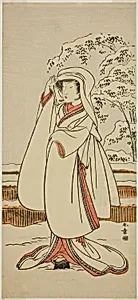
The Actor Segawa Tomisaburo I as the Heron Maiden (Sagi Musume)
Katsukawa Shunsho, c. 1774
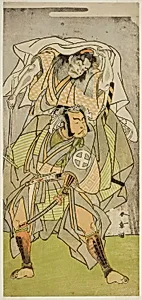
The Actors Otani Hiroji III as Koga Saburo, and Ichimura Uzaemon IX as the Devil of Kogakeyama, the Spirit of Wakasa no Zenji Yasumura, in the Play Kono Hana Yotsugi no Hachi no Ki, Performed at the Ichimura Theater in the Eleventh Month, 1771
Katsukawa Shunsho, c. 1771
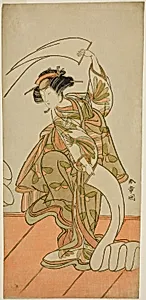
The Actor Segawa Kikunojo III as the Courtesan Kisegawa in a "Nuno Sarashi" Dance, in the Play Hana-zumo Genji Hiiki, Performed at the Nakamura Theater in the Eleventh Month, 1775
Katsukawa Shunsho, c. 1775
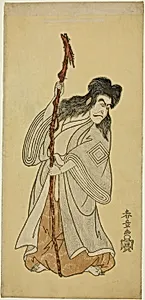
Actor Ichikawa Danjûrô IV as an Immortal Hermit in “Tenjiku Tokubei Turns the Helm toward Home” (“Tenjiku Tokubei kokyô no torikaji”)
Katsukawa Shunsho, About 1768
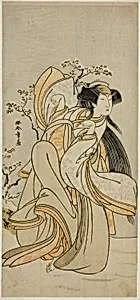
The Actor Iwai Hanshiro IV as Kojoro-gitsune of Hakata in the Play Hikitsurete Yagoe Taiheiki, Performed at the Morita Theater in the Eleventh Month, 1776
Katsukawa Shunsho, c. 1776
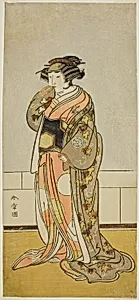
The Actor Yamashita Kinsaku II as Lady Kikusui (Kikusui Gozen) (?) in the Play Kaeribana Eiyu Taiheiki (?), Performed at the Nakamura Theater (?) in the Eleventh Month, 1779 (?)
Katsukawa Shunsho, c. 1779