
Egyptian Art — Page 161
13,002 artworks · The Metropolitan Museum of Art
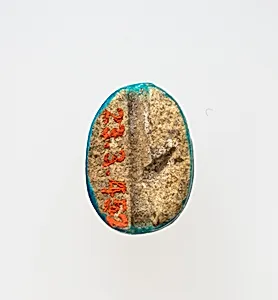
Scarab
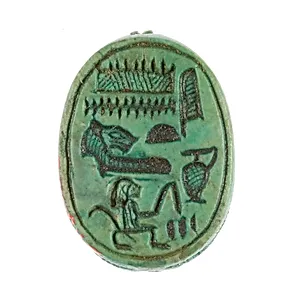
Scarab Inscribed Hatshepsut United with Amun
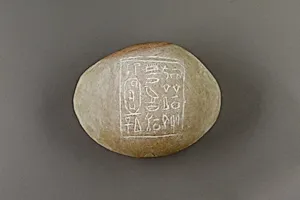
Inscribed Clam-Shaped Hammer
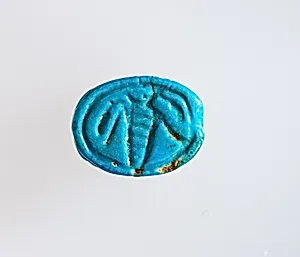
Scarab
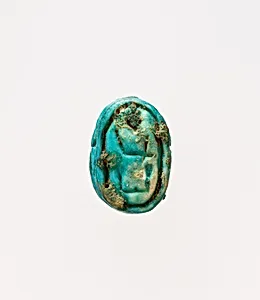
Scarab
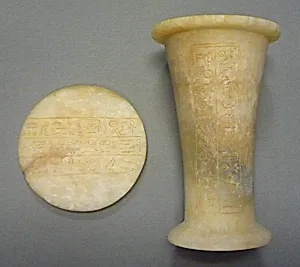
Ointment Jar
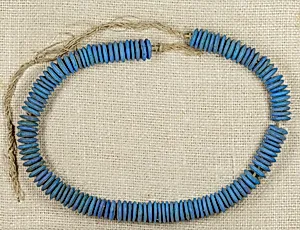
Shebiu Necklace of Amenhotep
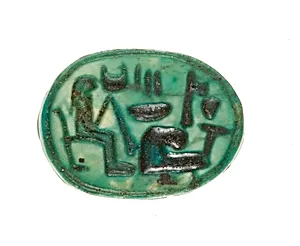
Scarab Inscribed for the God's Wife Hatshepsut, Living
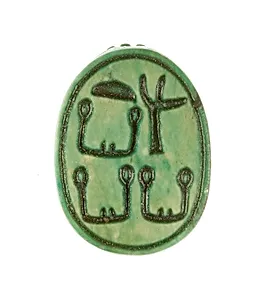
Scarab Inscribed Wosretkau (Hatshepsut)
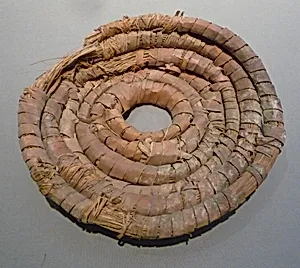
Foundation Deposit Mat
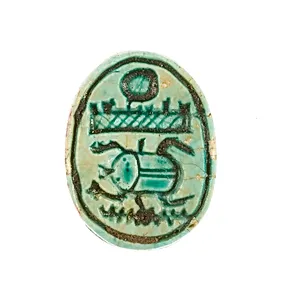
Scarab Inscribed for Menkheperenre (Thutmose III)
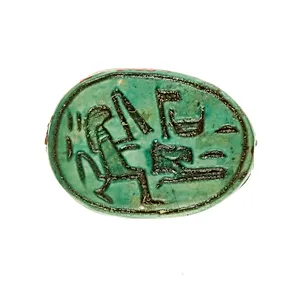
Scarab Inscribed for the God's Wife Hatshepsut
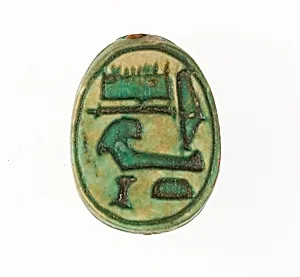
Scarab Inscribed with the Name Hatshepsut
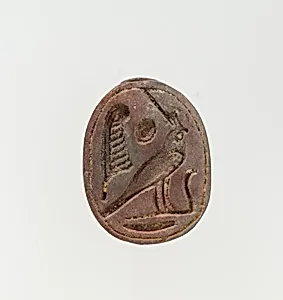
Scarab
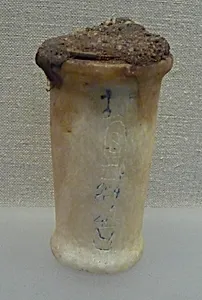
Inscribed Ointment Jar From Foundation Deposit 2 of Hatshepsut's Valley Temple
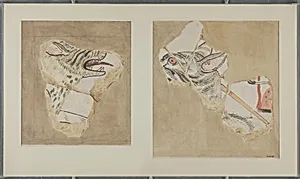
Fragments of Two Hyenas, Tomb of Intef
Nina de Garis Davies, ca. 1479–1458 B.C.
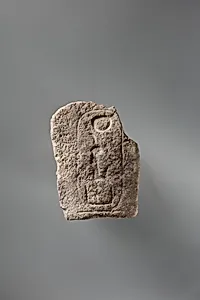
Inscribed Stone from Hatshepsut's Valley Temple
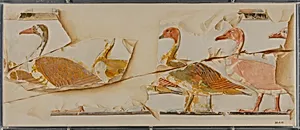
Geese and Ducks
Hugh R. Hopgood, A.D. 1914–1916; original ca. 1479–1458 B.C.
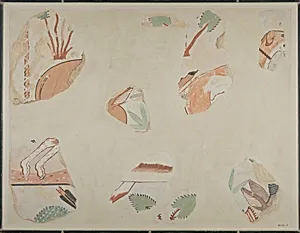
Fragments of a Hunting Scene, Tomb of Intef
Unknown Copyist, ca. 1479–1458 B.C.
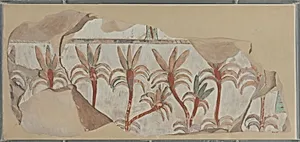
Palm Trees in a Garden, Tomb of Puyemre
Norman de Garis Davies, ca. 1479–1458 B.C.
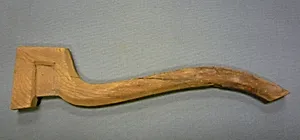
Mesekhtyu Instrument from a Foundation Deposit for Hatshepsut's Temple
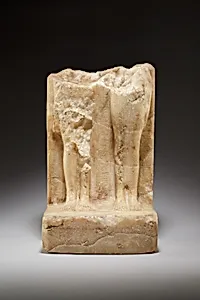
Pair Statue of Amenemhat and Ahmose-Baketamun
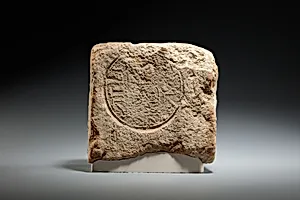
Mud Brick Stamped with the Name and Titles of Senenmut
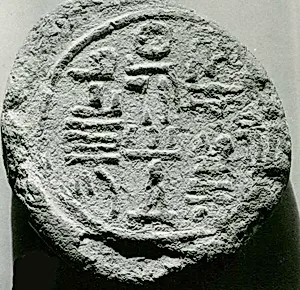
Funerary Cone of the Overseer of the Prophets of Onuris Min
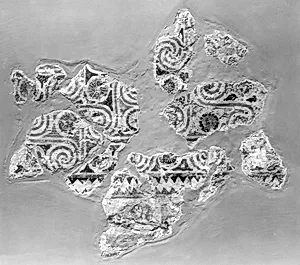
Ceiling Painting from the Tomb Chapel of Senenmut
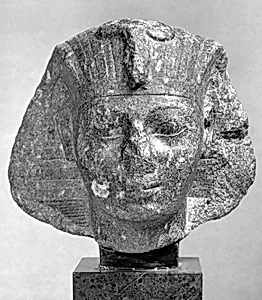
Head of Thutmose III
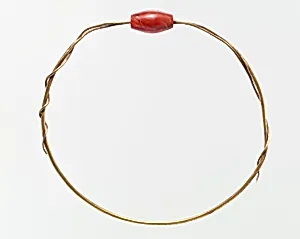
Sweret Bead on Gold Wire
Hippopotamus Amulet
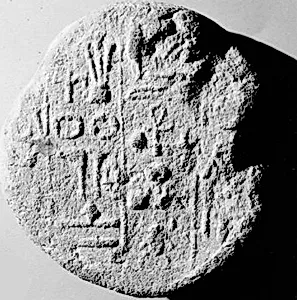
Funerary Cone of the Overseer of the Double Granary Menkheperresonb
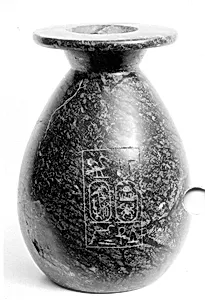
Storage jar
Amulet, head fragment
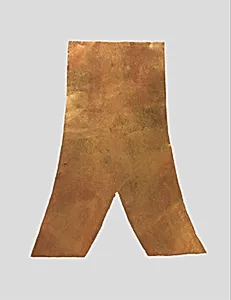
Folded Cloth Amulet
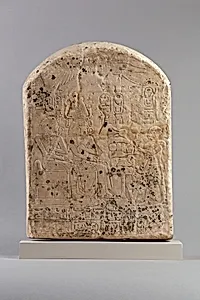
Stela of Qenamun worshipping Amenhotep I and Senwosret I
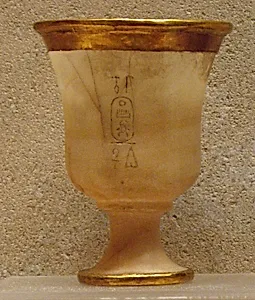
Goblet
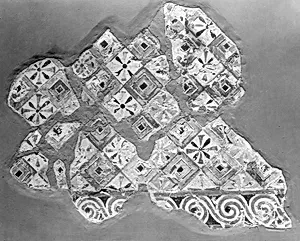
Ceiling Painting from the Tomb Chapel of Senenmut
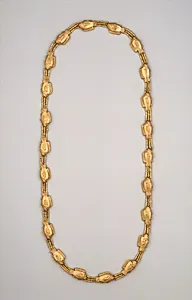
Girdle with Fish-Shaped Beads
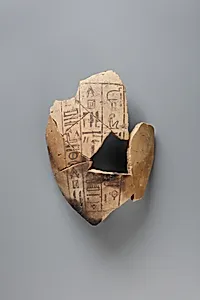
Fragments of a Canopic Jar Inscribed for Senimen
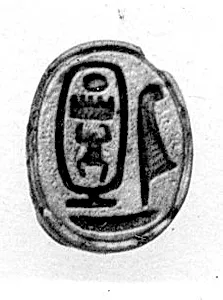
Scarab of Thutmose III
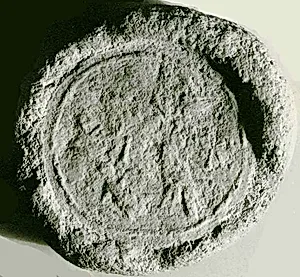
Funerary Cone of the Vizier Amenemopet
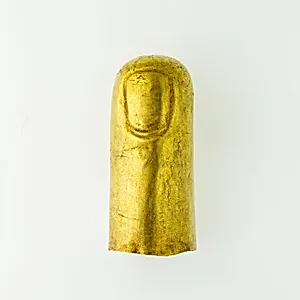
Toe stall
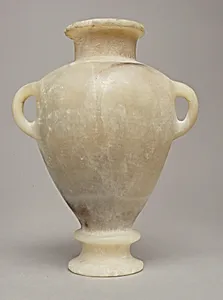
Amphora of Canaanite shape
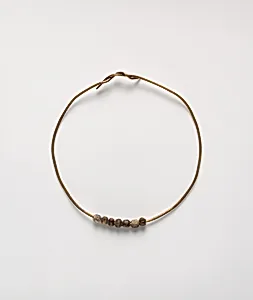
Melon Beads on Gold Wire
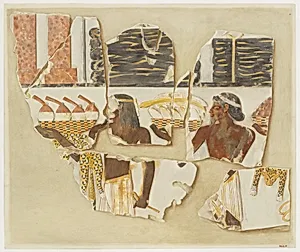
Asians Bringing Gifts from the East
Hugh R. Hopgood, A.D. 1914–1916; original ca. 1479–1458 B.C.
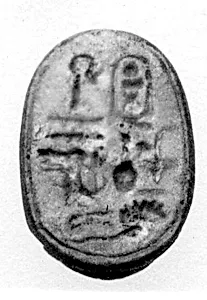
Scarab of Thutmose III
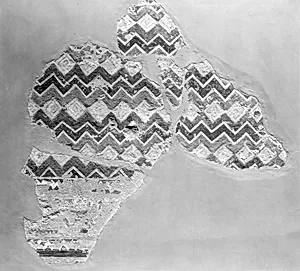
Ceiling Painting from the Tomb Chapel of Senenmut
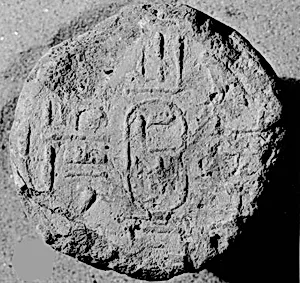
Funerary Cone of the Second Priest of Amunet Mahu
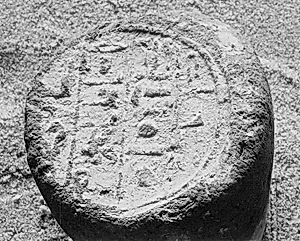
Funerary Cone of the High Priest of Amun Menkheperresonb
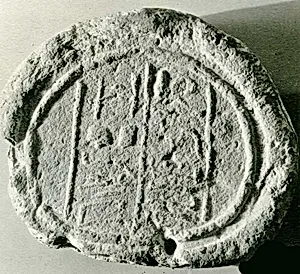
Funerary Cone of the First King's Herald Amunedjeh