
Greek and Roman Art — Page 160
30,000 artworks · The Metropolitan Museum of Art
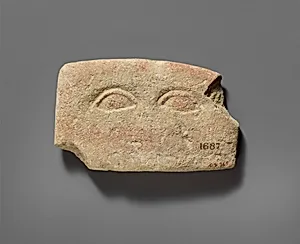
Limestone plaque with two eyes
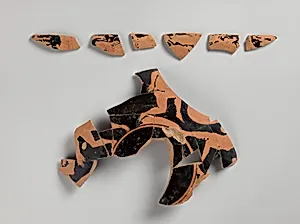
Kylix Fragments
Antiphon Painter, ca. 480 BCE
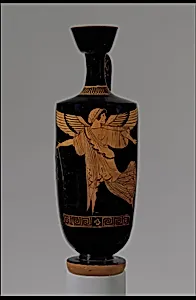
Terracotta lekythos (oil flask)
Douris, ca. 480–470 BCE
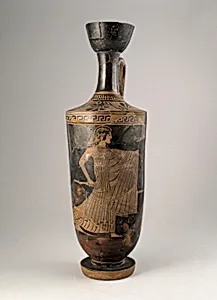
Lekythos
Bowdoin Painter, ca. 480 BCE
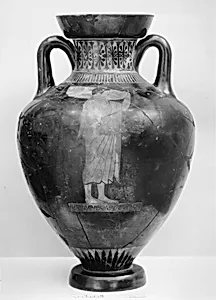
Terracotta neck-amphora of Panathenaic shape (jar)
Syleus Painter, ca. 480–470 BCE
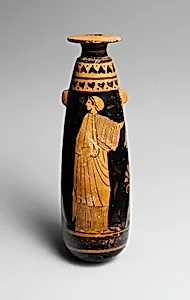
Terracotta alabastron (perfume vase)
Painter of Palermo 1162, ca. 480 BCE
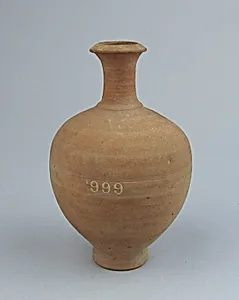
Bottle
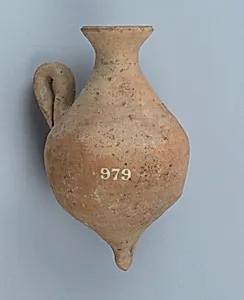
Juglet
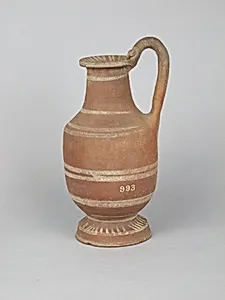
Jug
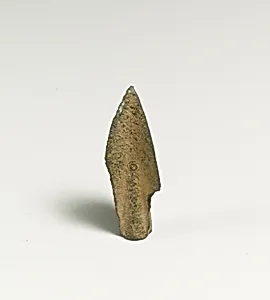
Arrowhead
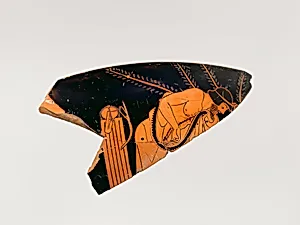
Fragment of a terracotta kylix (drinking cup)
Brygos Painter, ca. 480 BCE
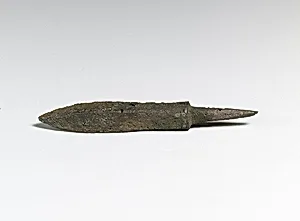
Arrowhead
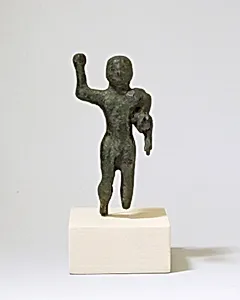
Bronze statuette of Herakles
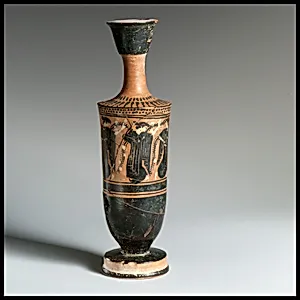
Lekythos
Haimon Group, ca. 480 BCE
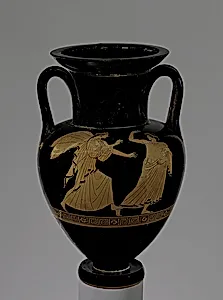
Terracotta Nolan neck-amphora (jar)
Brygos Painter, ca. 480–470 BCE
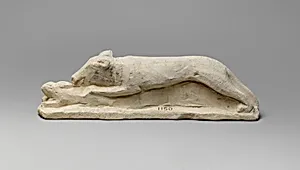
Limestone votive statuette of a hound seizing a hare
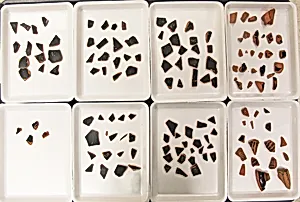
Terracotta fragments of a psykter-column-krater joining 1986.11.12
Troilos Painter, ca. 480–470 BCE
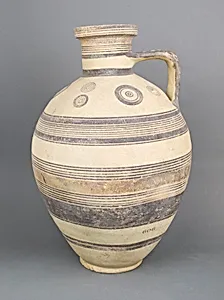
Jug
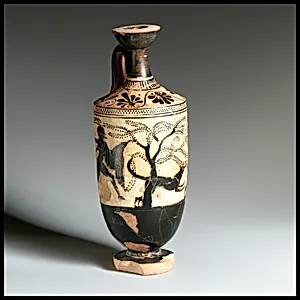
Lekythos
Athena Painter, ca. 480 BCE
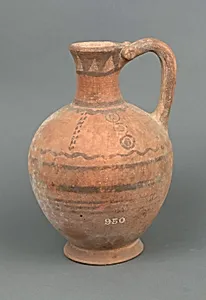
Jug
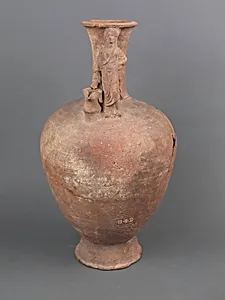
Jug
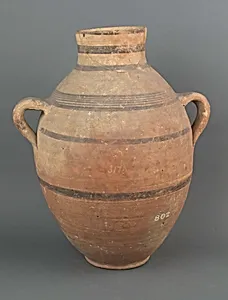
Amphora
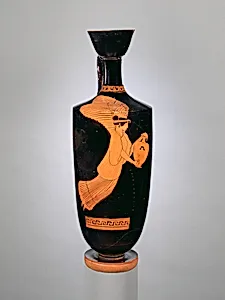
Terracotta lekythos (oil flask)
Providence Painter, ca. 480–470 BCE
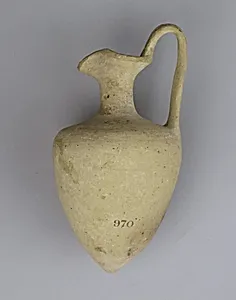
Juglet
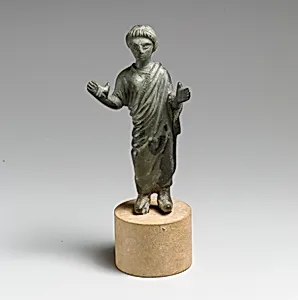
Statuette of female figure
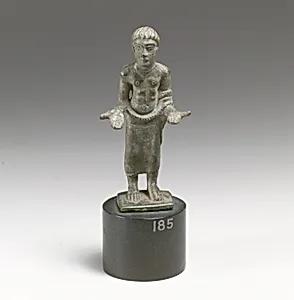
Statuette of a man
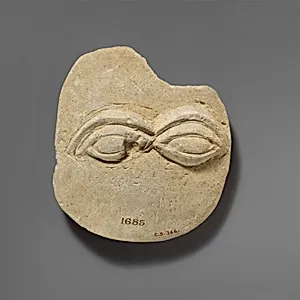
Limestone plaque with two eyes in relief
Arrowhead
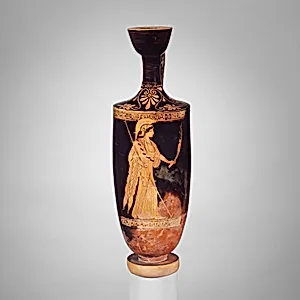
Terracotta lekythos (oil flask)
Brygos Painter, ca. 480–470 BCE
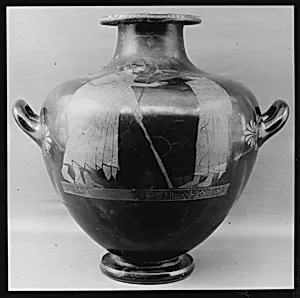
Terracotta hydria: kalpis (water jar)
Syleus Painter, ca. 480–470 BCE
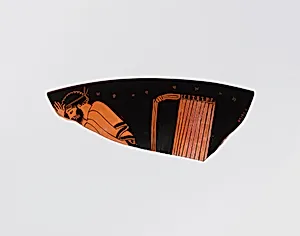
Fragment of a terracotta kylix (drinking cup)
Foundry Painter, ca. 480–470 BCE
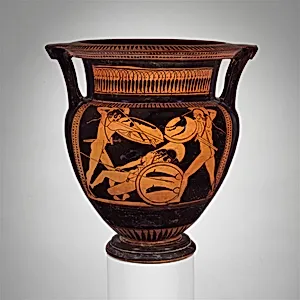
Terracotta column-krater (bowl for mixing wine and water)
Myson, ca. 480 BCE
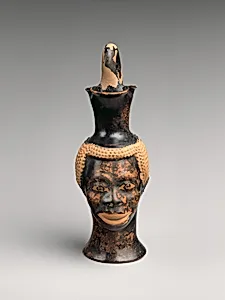
Terracotta oinochoe (jug) in the form of a Black African's head
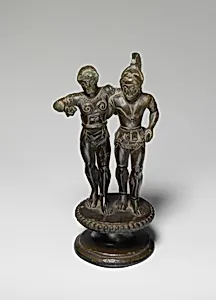
Bronze finial of two warriors from a candelabrum
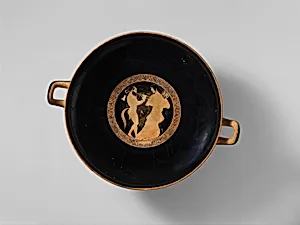
Terracotta kylix (drinking cup)
Hieron|Makron, ca. 480 BCE
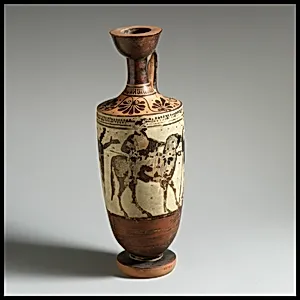
Lekythos
Athena Painter, ca. 480 BCE
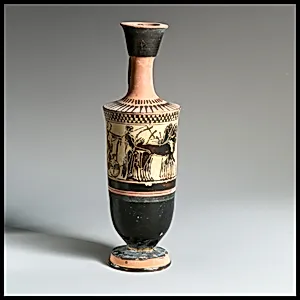
Lekythos
Haimon Painter, ca. 480 BCE
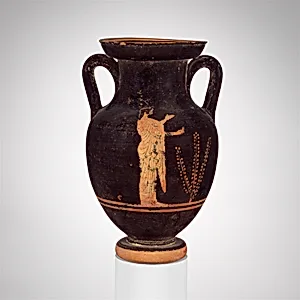
Terracotta amphora (jar)
Praxias Group, ca. 480–460 BCE
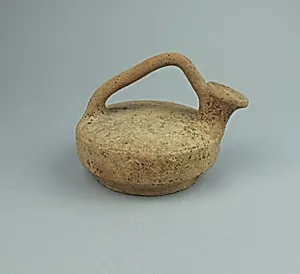
Askos
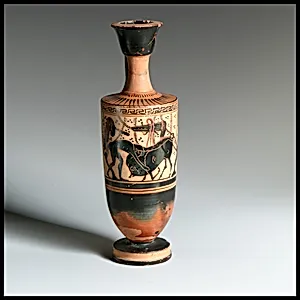
Lekythos
Haimon Painter, ca. 480 BCE
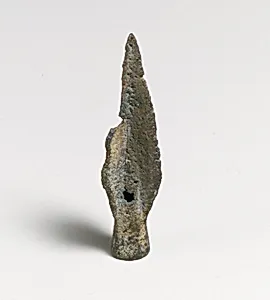
Arrowhead
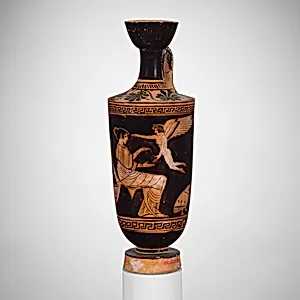
Terracotta lekythos (oil jar)
Bowdoin Painter, ca. 480–470 BCE
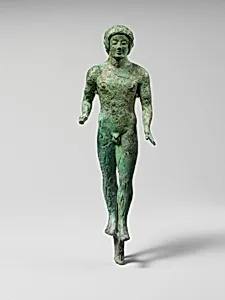
Bronze statuette of a nude youth
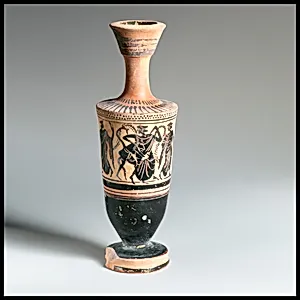
Lekythos
Haimon Painter, ca. 480 BCE
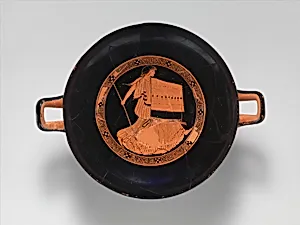
Terracotta kylix (drinking cup)
Brygos Painter, ca. 480–470 BCE
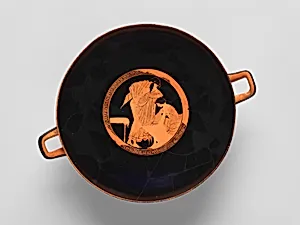
Terracotta kylix (drinking cup)
Makron|Hieron, ca. 480 BCE
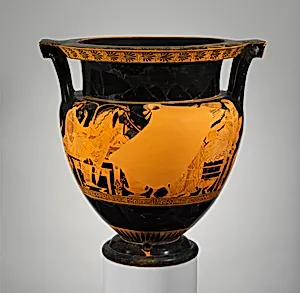
Terracotta psykter-column-krater (vase for chilling and mixing wine and water)
Troilos Painter, 480–470 BC
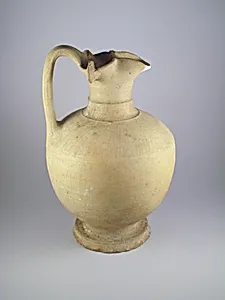
Jug