
Birds in Art — Page 119
7,137 artworks
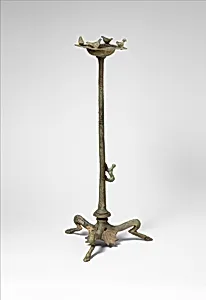
Bronze thymiaterion (incense burner)
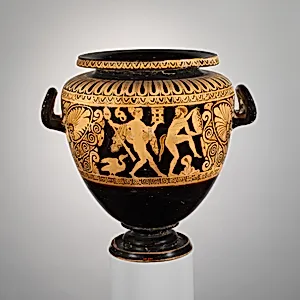
Terracotta stamnos (jar)
Captives Group, ca. 350 BCE
Gilt bronze ring
Chalcedony scarab
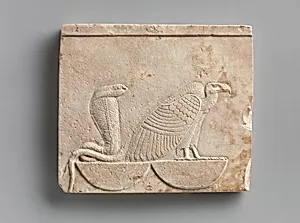
Relief plaque with Vulture and Cobra on baskets; falcon on opposite
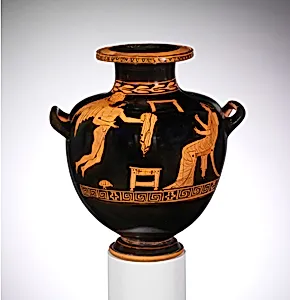
Terracotta hydria (water jar)
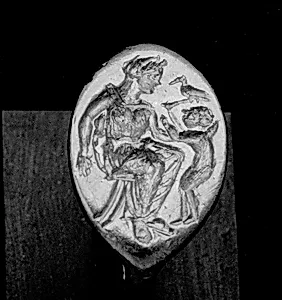
Gold ring
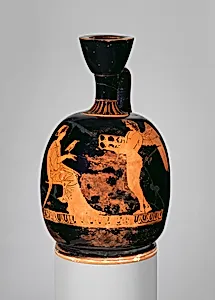
Terracotta squat lekythos (oil flask)
Washing Painter, ca. 420 BCE
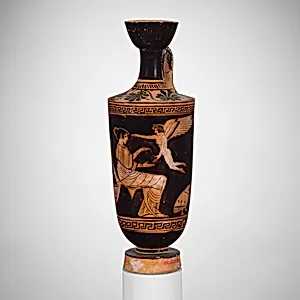
Terracotta lekythos (oil jar)
Bowdoin Painter, ca. 480–470 BCE
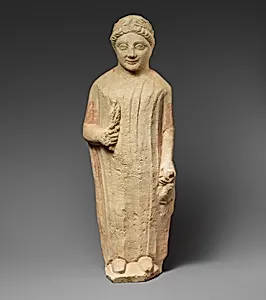
Limestone statuette of a boy holding a bird and a branch of leaves
Gold diadem composed of twelve plaques
Ring with scarab
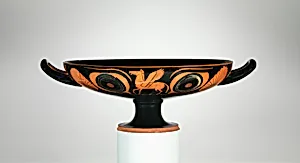
Terracotta kylix (drinking cup)
Psiax, ca. 520 BCE
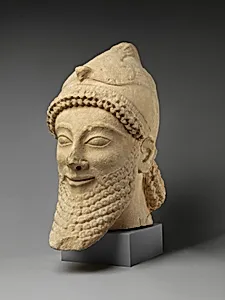
Limestone male head
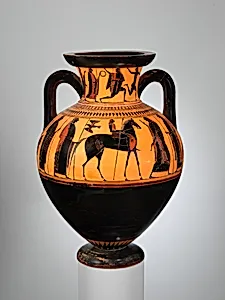
Terracotta neck-amphora (jar)
Affecter, ca. 550–540 BCE
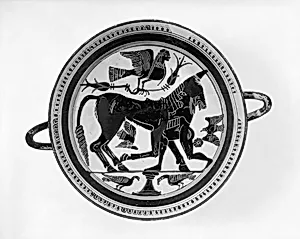
Terracotta kylix (drinking cup)
Arkesilas Painter, ca. 550 BCE
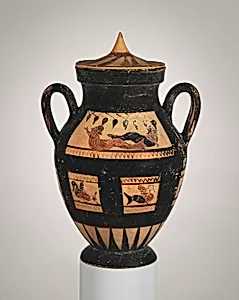
Terracotta amphora with lid
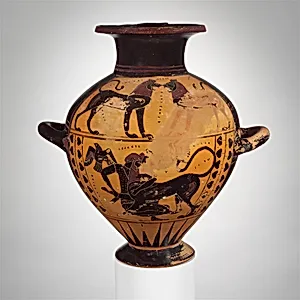
Terracotta hydria (water jar)
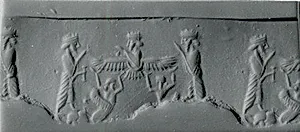
Cylinder seal
Vase
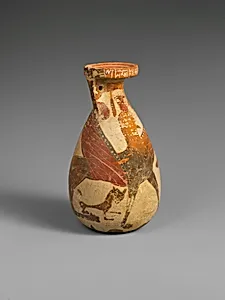
Terracotta inscribed alabastron (perfume vase)
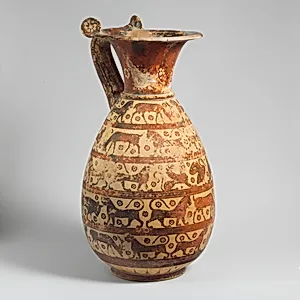
Terracotta oinochoe:olpe (jug)
Sphinx Painter, ca. 630–610 BCE
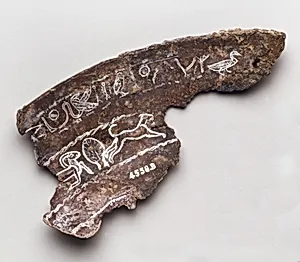
Two fragments of a silver bowl
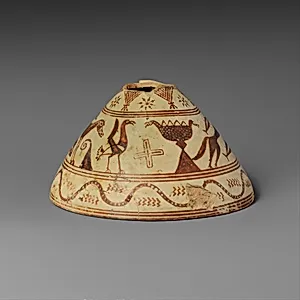
Terracotta conical lekythos (vase for oil)
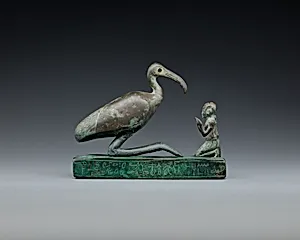
Group statue of Thoth-ibis and devotee on a base inscribed for Padihorsiese
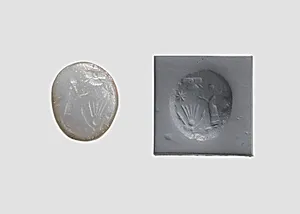
Stamp seal (oval conoid) with cultic scene
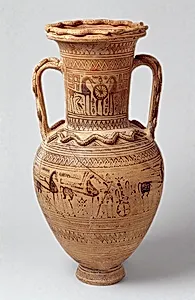
Terracotta neck-amphora
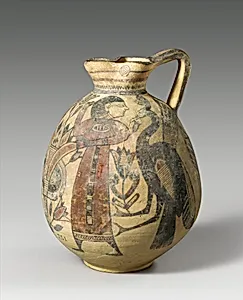
Terracotta jug
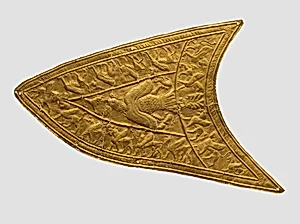
Plaque with a bird of prey and winged beasts
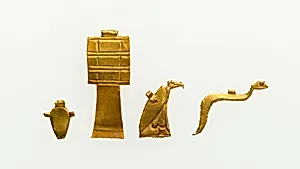
Group of Four Amulets: Cobra, Vulture, Djed Pillar, and Heart
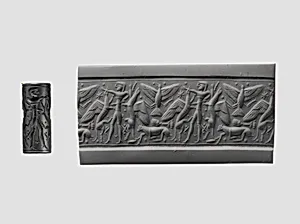
Cylinder seal
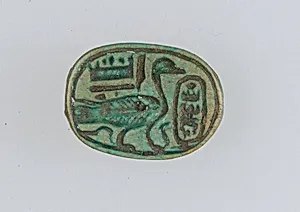
Scarab with the Name of King and the Sacred Goose of Amun
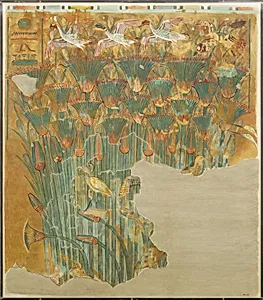
Papyrus Marsh
Hugh R. Hopgood, A.D. 1914–1916; original ca. 1427–1400 B.C.
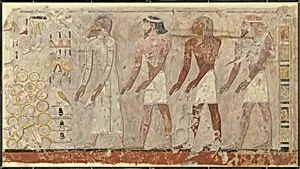
Four Foreign Rulers, Tomb of Puyemre
Norman de Garis Davies, A.D. 1915; original ca. 1479–1458 B.C.
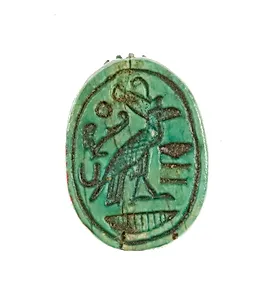
Scarab Lord of the Two Lands Maatkare (Hatshepsut), with Nekhbet Vulture Wearing the Double Crown
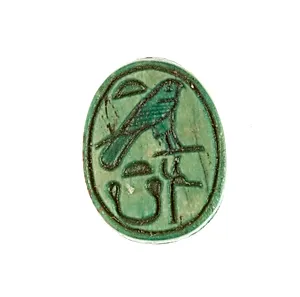
Scarab Inscribed for the Female Horus Wosretkau (Hatshepsut)
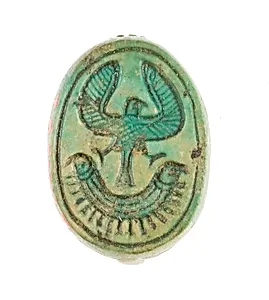
Scarab Inscribed with a Hieroglyphic Motif
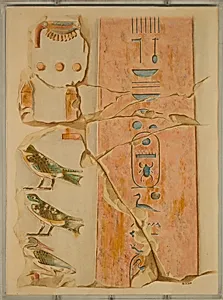
Fragment of an Obelisk
Hugh R. Hopgood, A.D. 1914–1916; original ca. 1479–1458 B.C.
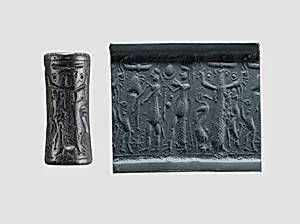
Cylinder seal
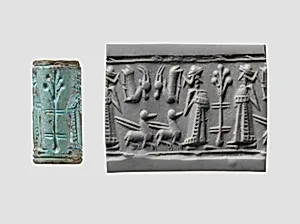
Cylinder seal
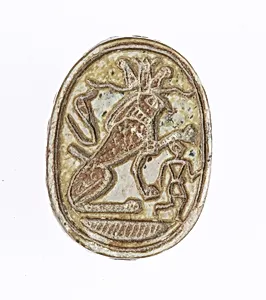
Scarab Inscribed With a Protective Motif
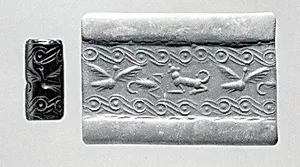
Cylinder seal
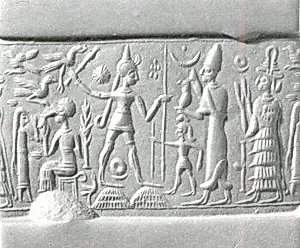
Cylinder seal and modern impression: smiting weather god before king and goddess
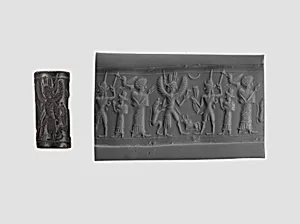
Cylinder seal
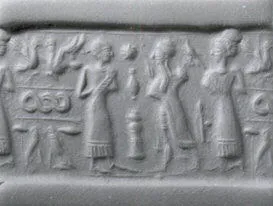
Cylinder seal
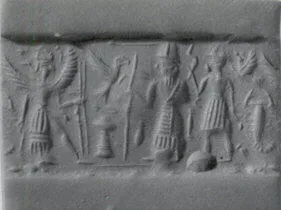
Cylinder seal
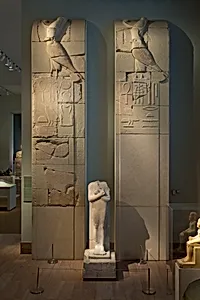
Name panel from mortuary complex of Senwosret I
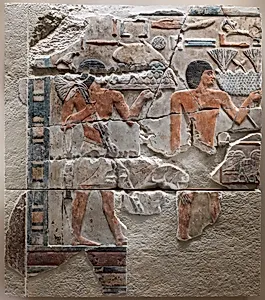
Relief showing procession of offering bearers