Ctrl K
1800–1900
**Anonymous, British, 19th century** is not the name of a single individual but a standard museum attribution used for works whose creators remain unidentified yet are clearly British and date to the 1800s. Major institutions, including the Metropolitan Museum of Art, employ this designation for hundreds of drawings, prints, designs, and decorative studies that lack signatures or firm documentary links to known artists. With 793 such pieces recorded in one collection alone, these works represent a substantial body of everyday artistic production from the period.
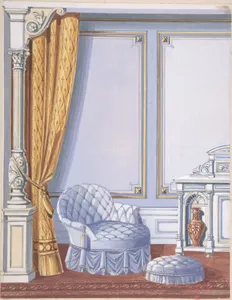
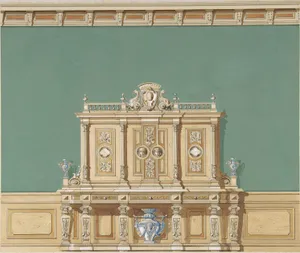
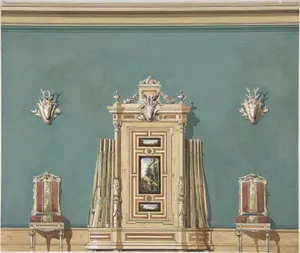
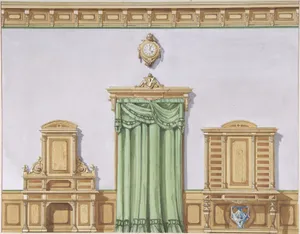
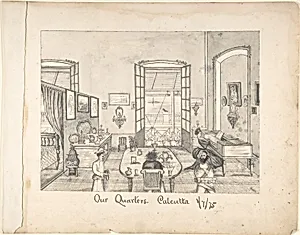
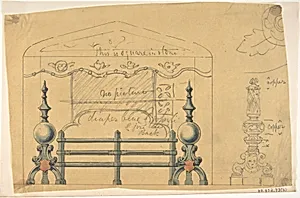
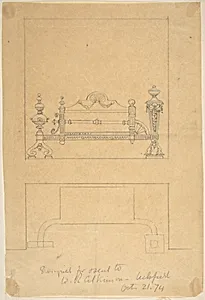
Because the makers are unknown, details of training, teachers, or formal education are unavailable. The pieces themselves, however, reveal a wide range of technical skills—from precise architectural renderings and ornamental designs to lively figure studies and satirical prints—suggesting both professional draftsmen and skilled amateurs working within the vibrant British art world of the Victorian era. Many examples show the influence of prevailing tastes: detailed observation of domestic interiors, fashion, and industrial motifs alongside echoes of Romantic landscape traditions and the growing interest in design reform.
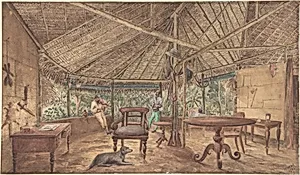
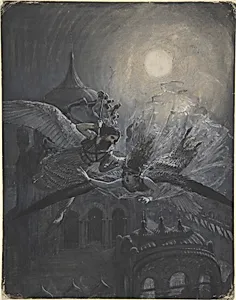
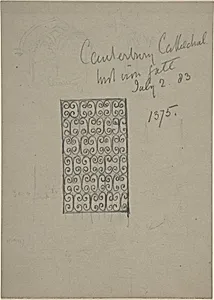
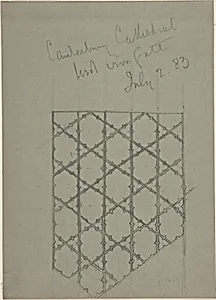
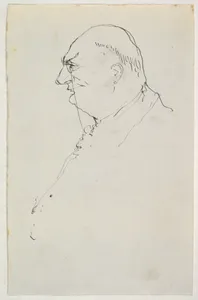
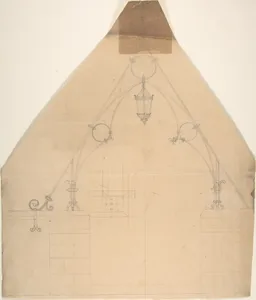
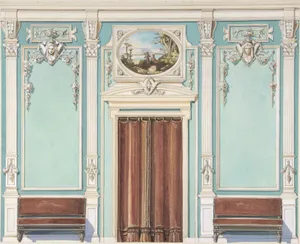
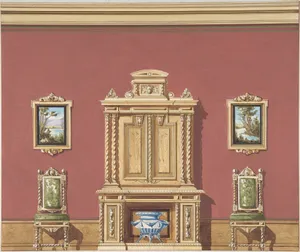
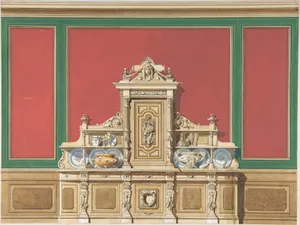
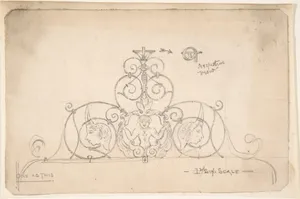
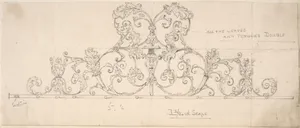
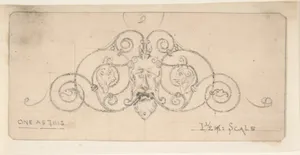
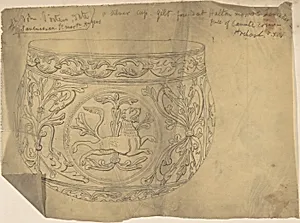
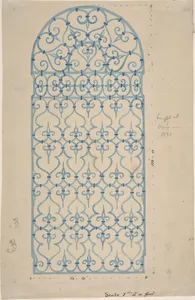
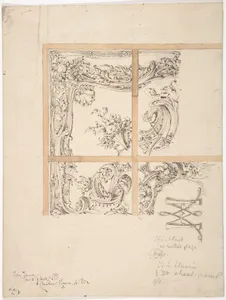
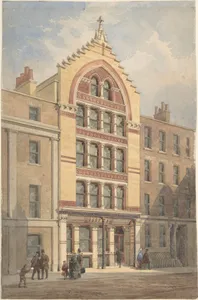
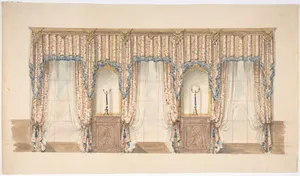
Among the surviving works are delicate graphite sketches of houses, watercolor frame designs, etched portraits, and whimsical illustrations such as “Read’s Crinoline Sketches.” These objects often served practical purposes—pattern books, trade cards, or private records—rather than grand exhibition pieces, yet they preserve valuable glimpses of 19th-century British material culture and visual habits.
The legacy of these anonymous artists lies in their collective contribution to our understanding of the period’s artistic ecosystem. By filling museum storerooms with thousands of unattributed yet characteristic objects, they demonstrate that the richness of British 19th-century art extended far beyond the famous names of the Royal Academy. Their surviving output continues to enrich exhibitions and research, reminding viewers that much of the era’s creative energy was anonymous yet essential to the visual fabric of the age.