1700–1753
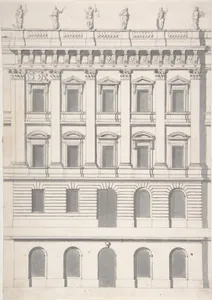
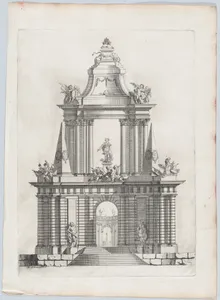
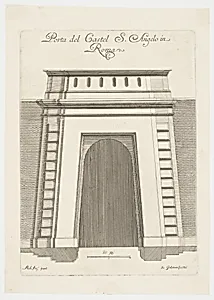
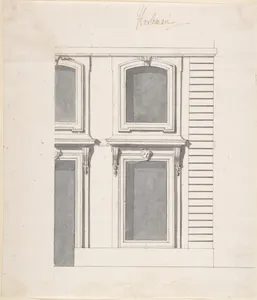
Baron Carl Hårleman (1700–1753) was a pivotal figure in Swedish architecture, born in Stockholm on August 27, 1700, to Johan Hårleman, a renowned garden architect and head of the royal parks ennobled in 1698, and Eva Johanna Baartz. Fatherless at a young age, he followed in his father's footsteps, beginning his training under architects Göran Josua Adelcrantz and Nicodemus Tessin the Younger. In 1721, armed with a state scholarship, Hårleman embarked on formative travels abroad, studying for four years at the Académie d'Architecture and Académie des Beaux-Arts in Paris before journeying to Italy, where he immersed himself in church architecture until his recall to Sweden in 1727. These experiences profoundly shaped his mastery of French-inspired designs. He later founded the Ritakademien in 1735 as its first director to train native Swedish artists, and made additional trips to France to recruit artisans.
Hårleman's career soared upon Nicodemus Tessin the Younger's death in 1728, when he was appointed court intendant and tasked with completing the Royal Palace in Stockholm—a project ignited by the 1697 fire that razed the medieval Tre Kronor castle. Faithful to Tessin's classical facades, Hårleman revolutionized the interiors with lavish Rococo ornamentation, including the grand Rikssalen hall and Vita havet gallery, elevating Swedish craftsmanship in furniture and decorative arts. Promoted to court superintendent in 1741, he oversaw national building projects, restoring fire-damaged Uppsala Cathedral and Castle from the 1702 blaze, erecting the Consistory House and 1744 orangery for Uppsala University's Linnaean Botanical Garden, and extending Drottningholm Palace's wings into museum rooms alongside Jean-Eric Rehn.
Among his diverse oeuvre, Hårleman designed Fredrikshov Castle (1731), Hörningsholm Castle (c. 1746), Åkerö Manor (1752–1757, finished posthumously), Svindersvik summer residence (1740s), Stockholm Observatory (1753), and Sofia Albertina Church in Landskrona (1753). He pioneered Rococo in Sweden, blending fluid French elegance with robust classical elements, influencing churches with innovative lantern-crowned cupolas and a generation of architects like Carl Fredrik Adelcrantz. Elevated to baron in 1747 and married that year to socialite Henrika Juliana von Liewen, Hårleman died childless on February 9, 1753, leaving an enduring legacy as Sweden's foremost 18th-century palace architect who transformed royal spaces into Rococo masterpieces.