Ctrl K
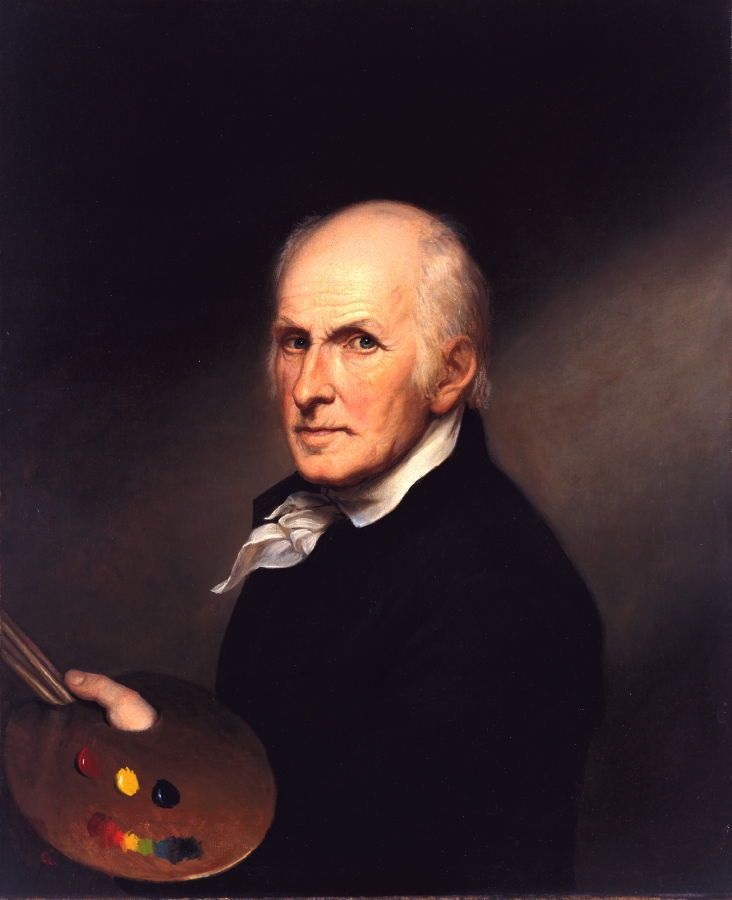
1741–1827
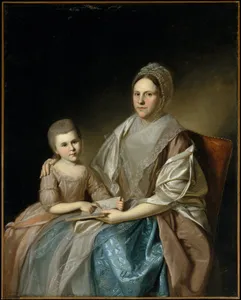
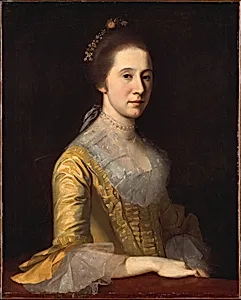
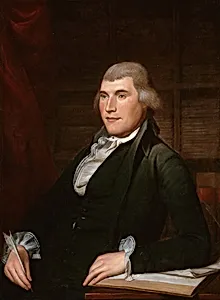
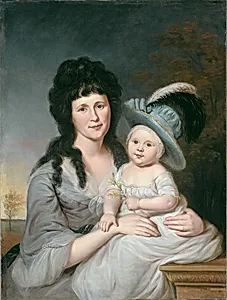
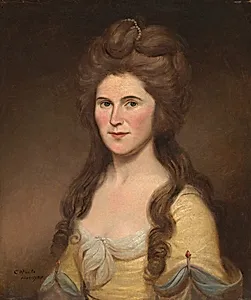
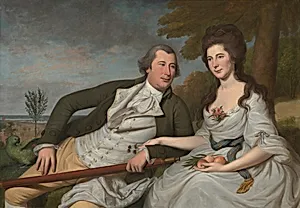
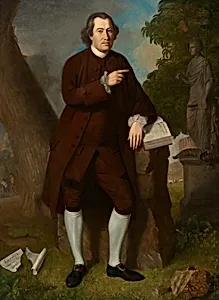
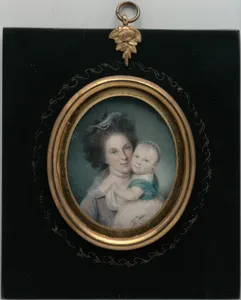
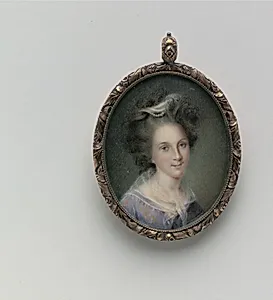
Charles Willson Peale (1741–1827) was an American painter, museum founder, naturalist, and inventor who became the most important American portraitist of the Revolutionary era and a central figure in the cultural life of the young republic. Born in Queen Anne's County, Maryland, he initially trained as a saddler before turning to painting, studying briefly with John Singleton Copley in Boston and Benjamin West in London.
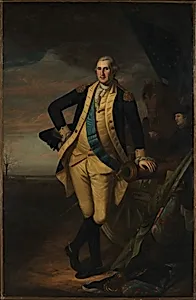
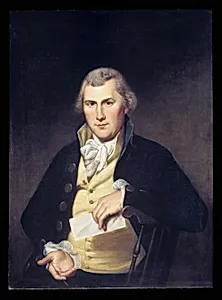
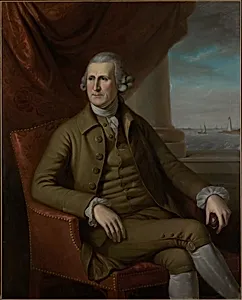
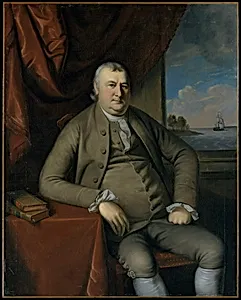
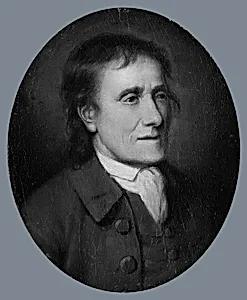
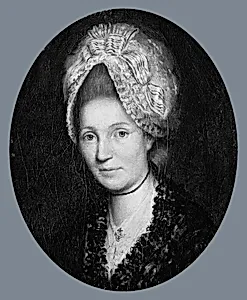
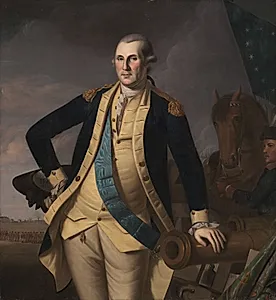
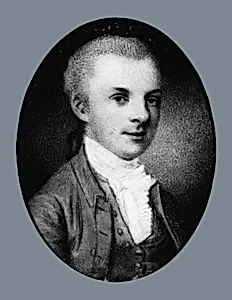
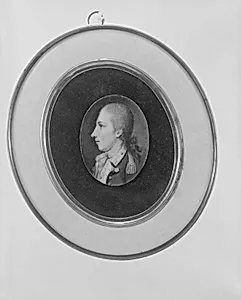
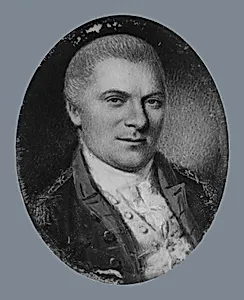
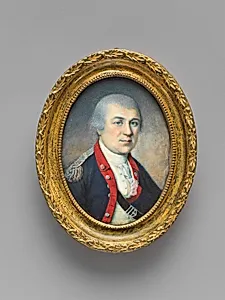
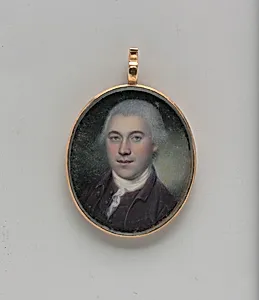
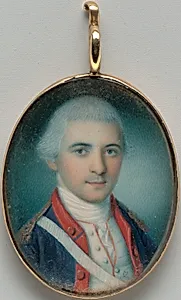
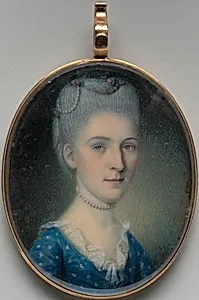
Peale is best known for his portraits of the leading figures of the American Revolution and early Republic. He painted George Washington from life at least seven times, producing some of the most important and widely reproduced images of the first president. His portraits of Benjamin Franklin, Thomas Jefferson, Alexander Hamilton, and dozens of other founders constitute an unparalleled visual record of the generation that created the United States.
Beyond painting, Peale founded the first major American museum — Peale's Museum in Philadelphia (1786) — which combined portrait galleries of distinguished Americans with natural history specimens, including a mastodon skeleton that Peale excavated himself in 1801. The museum embodied Enlightenment ideals of public education and rational inquiry and was a forerunner of modern American museums.
Peale's artistic legacy extended through his remarkable family: he named many of his seventeen children after famous artists, and several — including Raphaelle, Rembrandt, and Rubens Peale — became accomplished painters in their own right. His paintings are held by the Philadelphia Museum of Art, the Metropolitan Museum of Art, the National Portrait Gallery, Independence Hall, and the Pennsylvania Academy of the Fine Arts, which he helped found.