Ctrl K
1724–1780
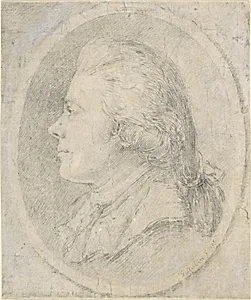
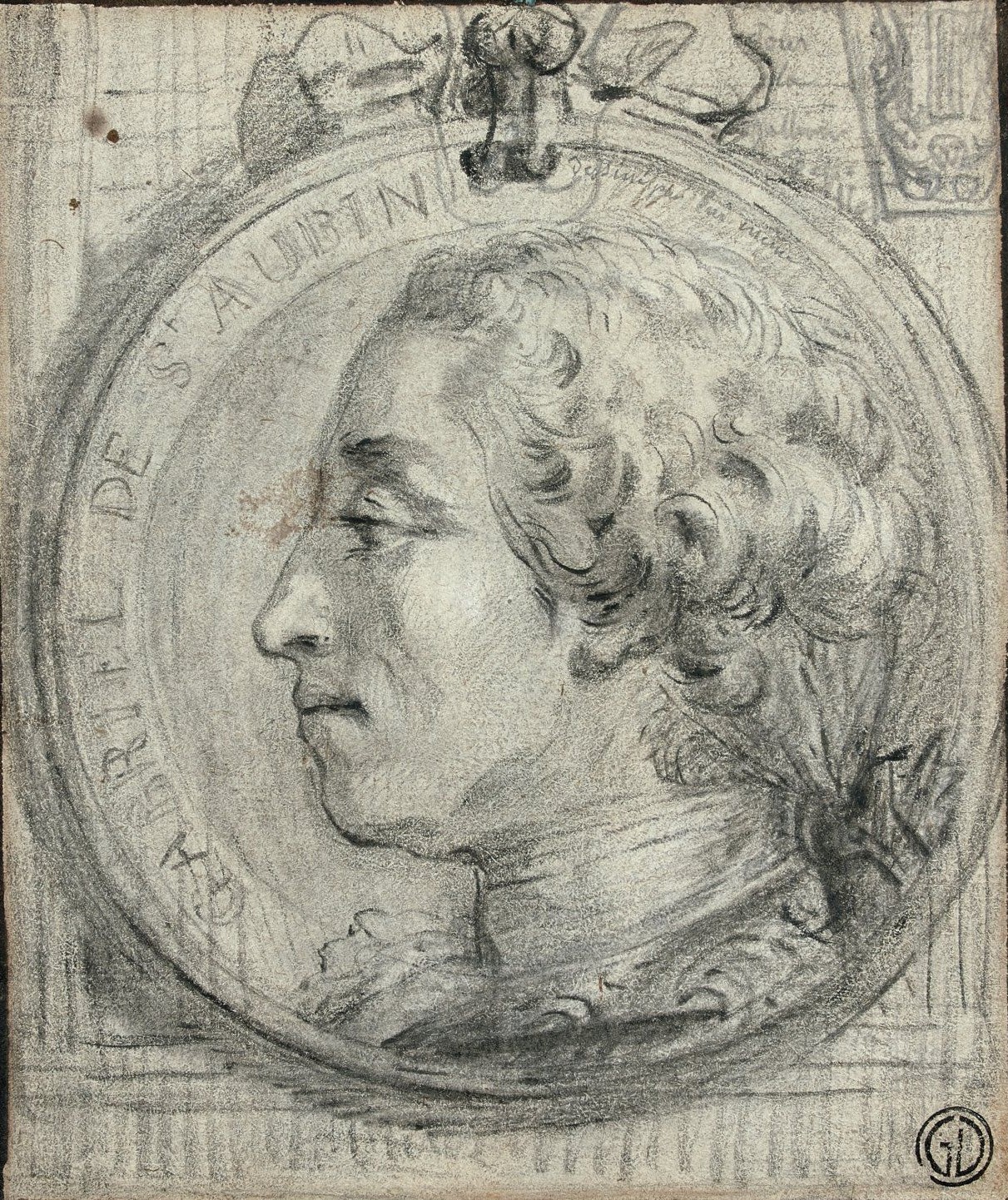
Gabriel de Saint-Aubin (1724–1780) was one of the most vivid and irrepressible graphic artists of eighteenth-century France, a tireless draughtsman whose sketchbooks and prints constitute an extraordinary visual chronicle of Parisian life during the Ancien Régime. Born into a family with strong connections to the decorative arts — his father was an embroiderer to the king — Saint-Aubin received formal training at the Académie Royale de Peinture et de Sculpture, studying under such masters as Étienne Jeaurat and Colin de Vermont. Despite his evident gifts, he repeatedly failed to win the coveted Prix de Rome, a frustration that may have redirected his energies toward the streets and public life of Paris rather than the grand historical subjects favored by the Academy.
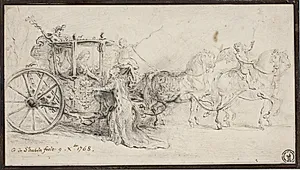
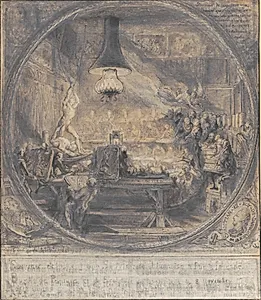
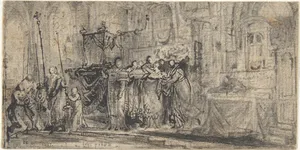
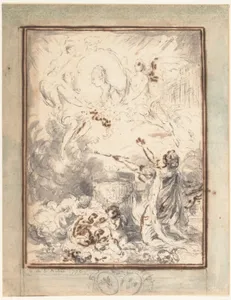
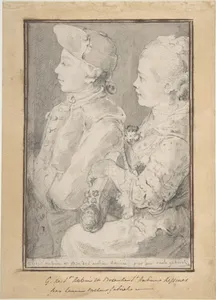
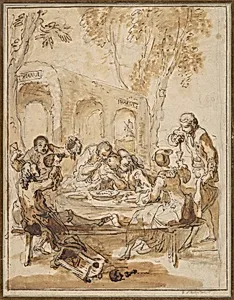
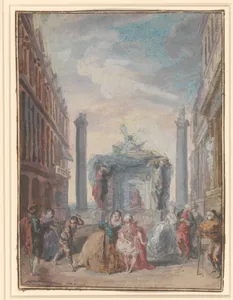
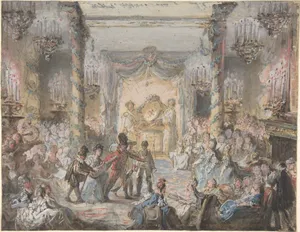
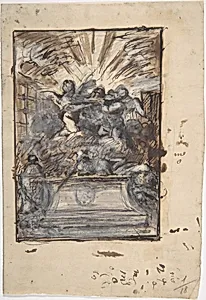
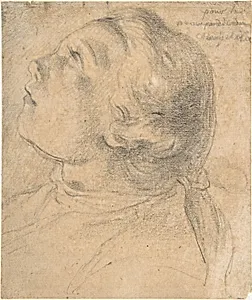
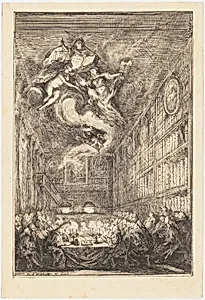
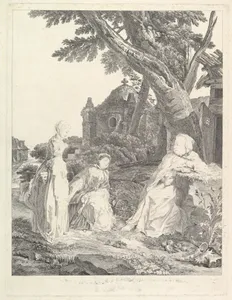
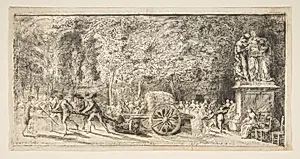
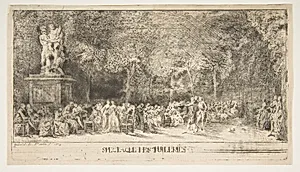
Saint-Aubin worked prolifically in drawing, etching, and gouache, and his art encompasses an astonishing range of subjects: Salon exhibitions, theatrical performances, street scenes, auctions, festivals, and fashionable promenades. His annotated drawings of the biennial Salon exhibitions — tiny, densely inscribed images that record the hang of artworks on the walls — are among the most valuable primary documents for understanding how art was displayed and received in pre-Revolutionary France. His style combines the decorative elegance of the Rococo with a spirited spontaneity and a keen, sometimes satirical eye for human behavior.
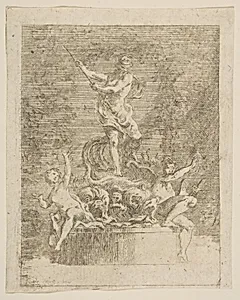
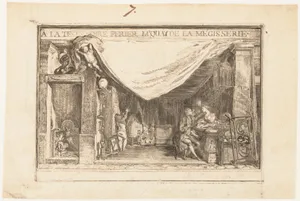
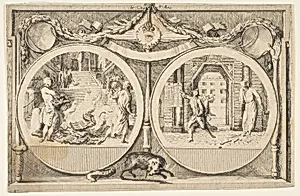
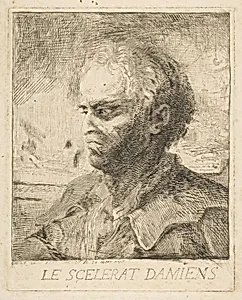
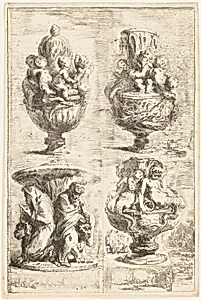
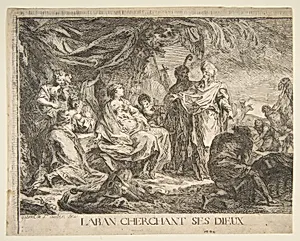
His etchings, though produced in smaller number than his drawings, display comparable energy and wit, and contributed to the flourishing print culture of mid-eighteenth-century Paris. Works such as his depictions of the Salon and his informal records of Parisian street life reveal an artist fundamentally engaged with the social world around him.
Gabriel de Saint-Aubin died in relative obscurity, his prodigious output scattered among private collections. Subsequent generations of scholars and collectors have recognized in him an incomparable witness to the vibrancy of Parisian culture on the eve of the Revolution, and his work is now treasured in the great print rooms of Europe and North America.