Ctrl K
Hans Leonhard Schäufelein (c. 1480–1540) was a prominent German painter, draftsman, and woodcut designer active during the Northern Renaissance, primarily in Nuremberg before relocating south. Born in Nuremberg, he likely received his early training in the workshop of Michael Wolgemut, the master who also taught Albrecht Dürer, before joining Dürer's studio as an assistant, where he closely imitated his mentor's style. Schäufelein worked in the Nuremberg school tradition, blending Dürer's precise line work and narrative clarity with his own graceful, expressive figures, though often critiqued for lacking the master's depth and anatomical rigor.
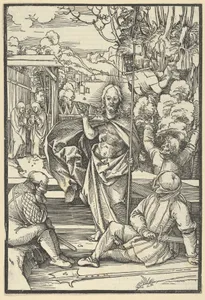
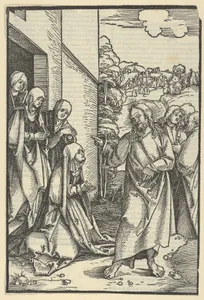
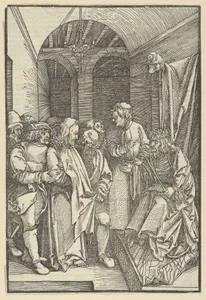
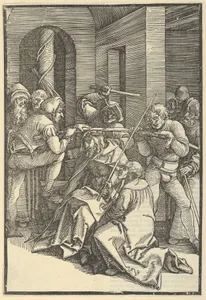
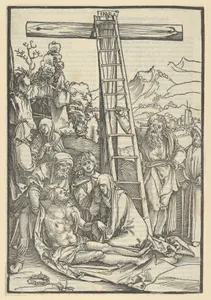
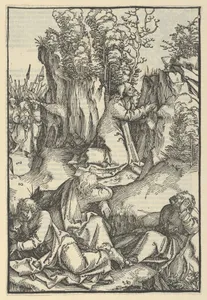
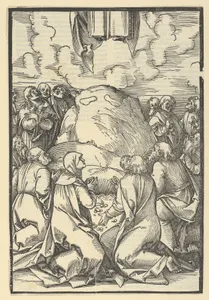
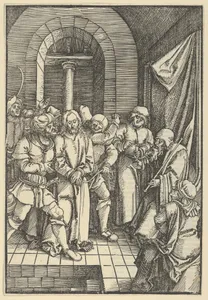
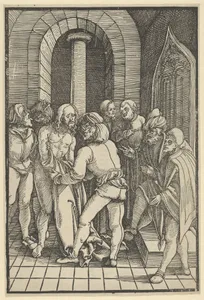
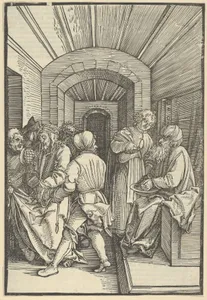
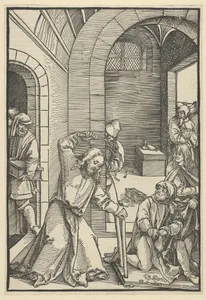
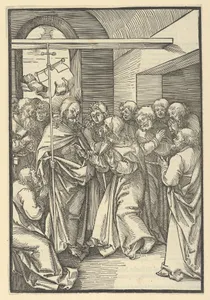
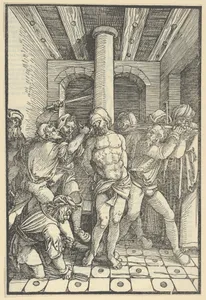
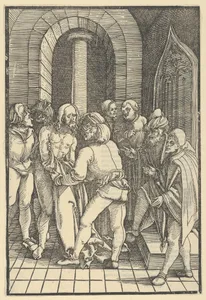
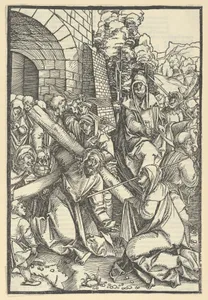
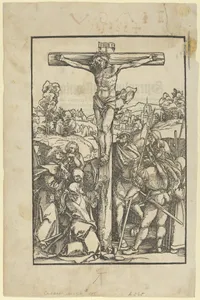
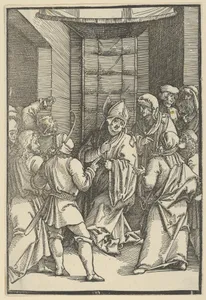
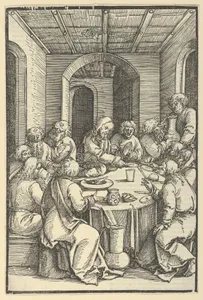
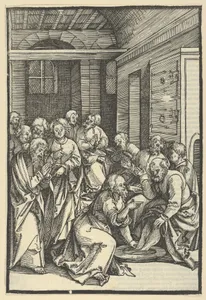
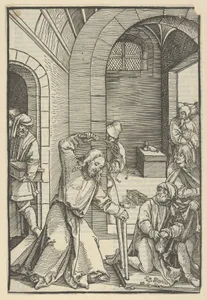
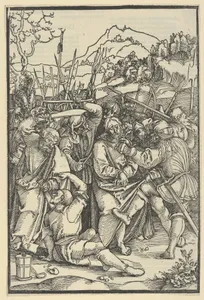
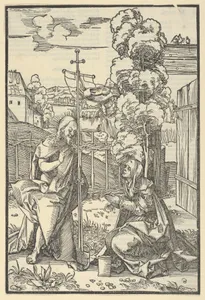
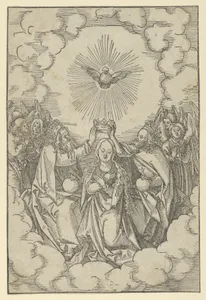
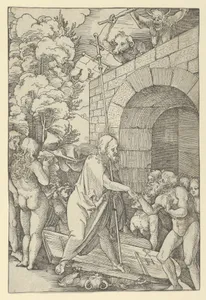
A master of woodcuts, Schäufelein produced his breakthrough series of 39 illustrations for Ulrich Pinder's *Speculum passionis domini nostri Ihesu Christi* (Mirror of the Passion of Our Lord Jesus Christ), published in Nuremberg in 1507 by Friedrich Peypus. These dynamic Passion scenes, including *Christ Crowned with Thorns* and *The Lamentation Beneath the Cross*, showcase his dramatic compositions and intricate detailing, marking one of the era's most beautiful printed books. Other key prints include the woodcuts for Emperor Maximilian I's epic *Theuerdank* (1517) and a celebrated playing card deck around 1535, hailed as a pinnacle of German graphic design. In painting, his early *Altarpiece at Ober Sankt Veit* (1502) and *St. Jerome* (Germanisches Nationalmuseum, Nuremberg) reveal his evolving command of religious iconography.
In 1512, Schäufelein moved to Augsburg, then settled in Nördlingen by 1515, where he painted frescoes like *Scenes from the Story of Judith* in the town hall and his masterpiece, the *Ziegler Altar* (1521) for St. George's Church, blending late Gothic elements with emerging Reformation influences. His illuminated Psalter for Count von Oettingen survives in Berlin's Kupferstichkabinett. Though overshadowed by Dürer, Schäufelein left a lasting legacy in bridging panel painting and printmaking, influencing subsequent generations of South German artists through his prolific output and accessible devotional imagery. His works remain vital windows into early 16th-century religious life and artistic innovation.