1800–1950
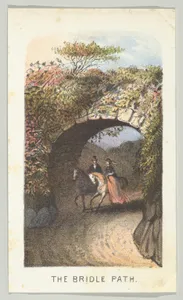
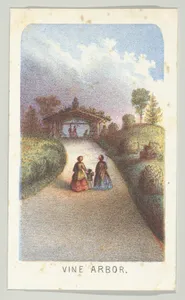
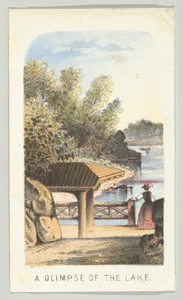
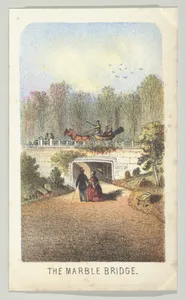
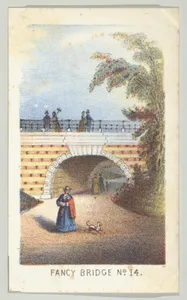
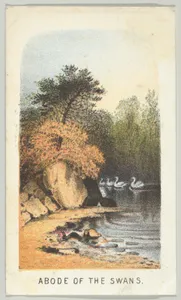
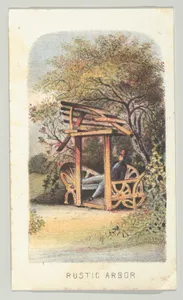
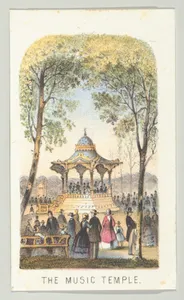
Louis Prang & Co. was the Boston printing firm that introduced the Christmas card to the American public and elevated chromolithography to the level of a serious art form. Its founder, Louis Prang (1824–1909), was born in Breslau, Prussia (now Wrocław, Poland), where he trained as a cloth printer and dyer. After participating in revolutionary activity against the Prussian government, he fled first to Switzerland and then emigrated to the United States in 1850, settling in Boston. In 1856 he entered a lithographic partnership with Julius Mayer, and by 1860 had become sole owner, renaming the enterprise L. Prang and Co.
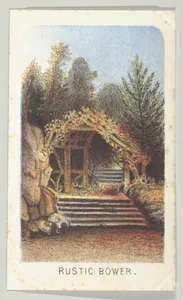
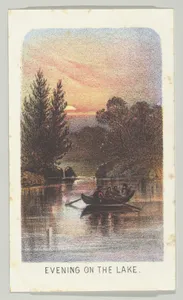
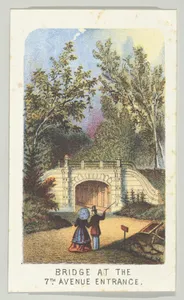
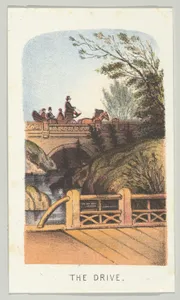
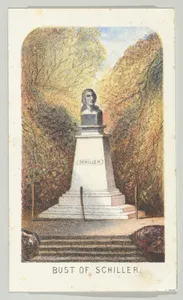
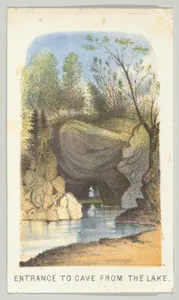
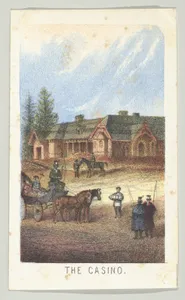
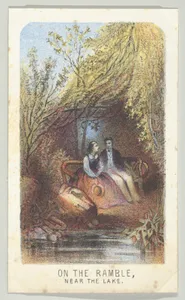
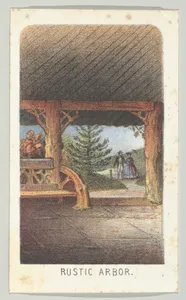
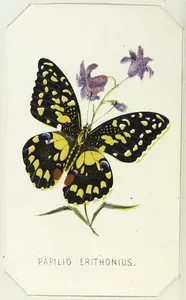
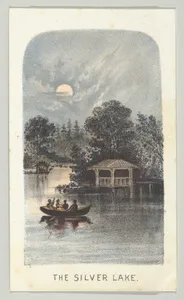
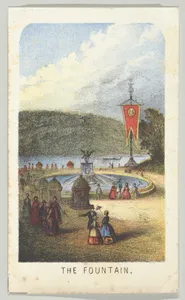
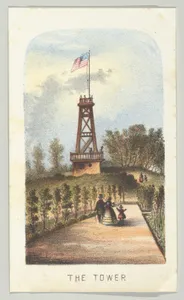
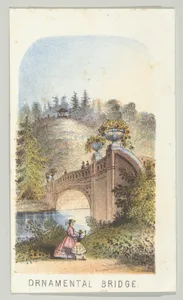
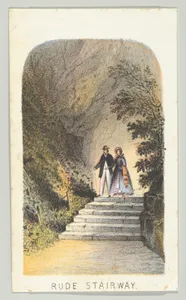
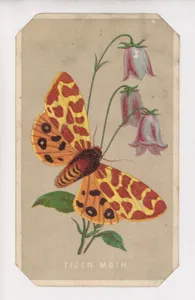
Prang's defining technical contribution was his mastery of chromolithography — a printing process in which a separate lithographic stone plate is prepared for each color in an image, with some prints requiring up to twenty separate passes to achieve the depth and luminosity Prang demanded. In 1864 he traveled to Europe to study the latest German lithographic methods, returning to Boston with the expertise to produce prints of unprecedented color richness. His firm built an international reputation for high-quality chromolithographic reproduction of fine art, and Prang was instrumental in popularizing the format for art education.
In 1875, Prang published his first Christmas cards for the American market — seasonal greetings illustrated with flowers, birds, and seasonal scenes, printed in vibrant colors on high-quality card stock. Their immediate popularity transformed a practice previously rare in America into a national custom. By 1881, the firm was reportedly producing five million Christmas cards annually. To sustain artistic quality and attract fresh talent, Prang organized major design competitions from 1880 to 1884, offering substantial prize money and drawing entries judged by figures including painter John La Farge, architect Stanford White, and designer Louis Comfort Tiffany. Prize-winning artists included Elihu Vedder, Rosina Emmet Sherwood, and Edwin H. Blashfield.
In the early 1890s, cheap Christmas postcards imported from Germany undercut Prang's market, and rather than reduce his standards to compete he withdrew from the greeting card business. He redirected his firm toward art education publishing, developing instructional materials and color printing tools for American schools. Louis Prang & Co.'s archive is held at the Boston Public Library. Prang's cards are now collected as significant examples of Victorian graphic art, and his role in shaping American holiday visual culture — earning him the informal title "Father of the American Christmas Card" — remains his most enduring legacy.