Ctrl K

1502–1550
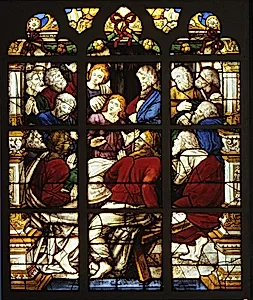
Pieter Coecke van Aelst (1502–1550) was a leading Flemish artist of the Renaissance, renowned for his multifaceted talents as a painter, sculptor, architect, and designer of tapestries, stained glass, woodcuts, and metalwork. Born in Aalst, in the Southern Netherlands (modern-day Belgium), he likely studied under Bernaert van Orley, a prominent Antwerp painter, before becoming a master in the city's Guild of Saint Luke in 1527. Coecke's early career was marked by his work in Antwerp, where he established a large workshop that attracted pupils such as Gillis van Coninxloo, Willem Key, Hans Vredeman de Vries, Michiel Coxcie, and possibly the young Pieter Bruegel the Elder, who apprenticed there after Coecke relocated to Brussels.
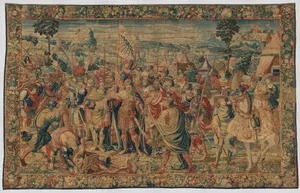
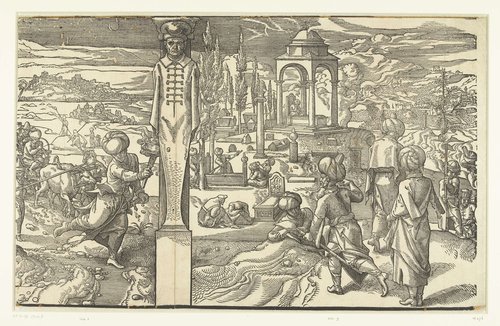
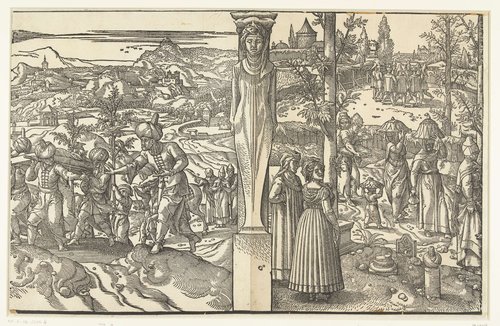
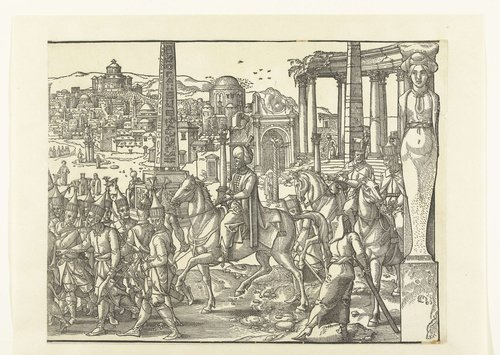
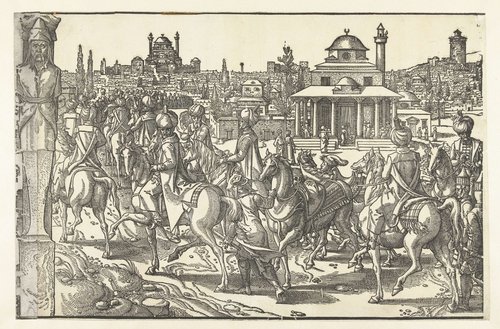
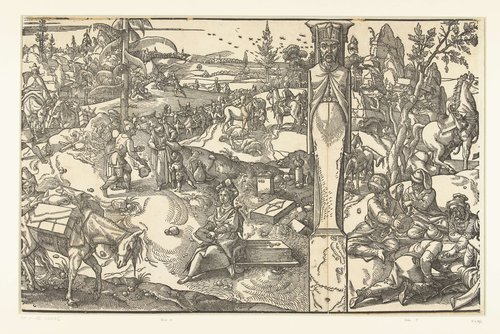
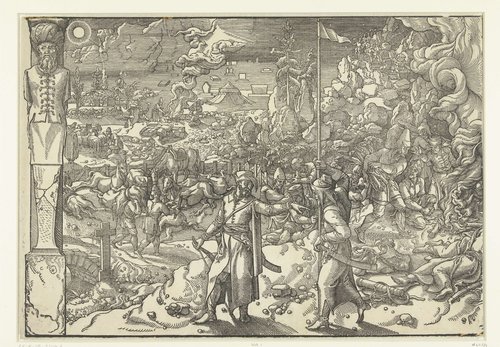
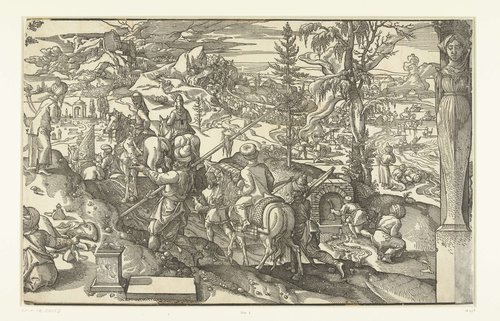
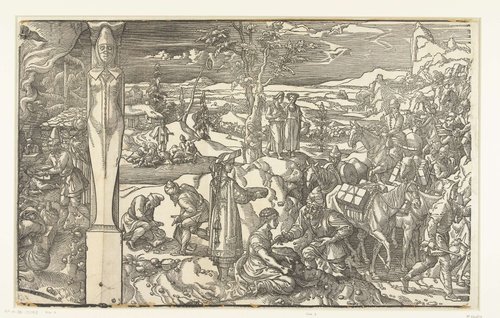
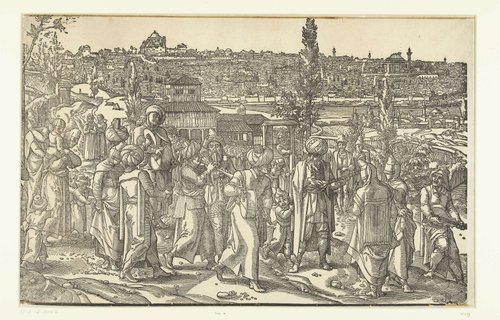
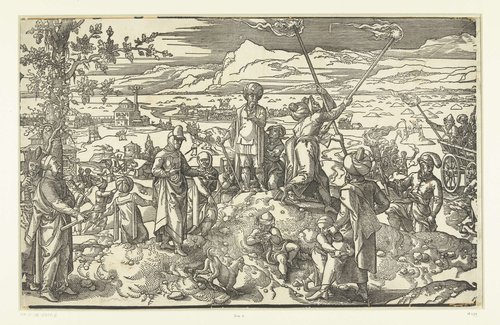
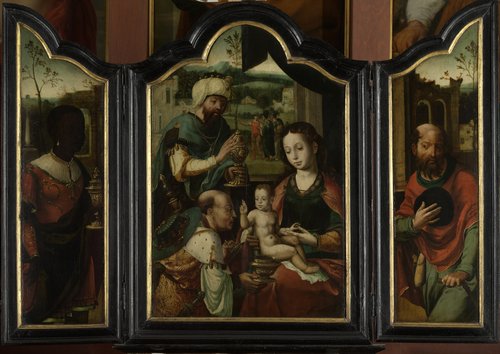
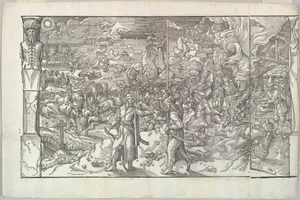
Working in the Romanist tradition—blending Northern realism with Italianate grandeur influenced by his travels—Coecke van Aelst excelled in grand narrative scenes and decorative arts. His 1525 *Annunciation* exemplifies his elegant Mannerist style, with fluid figures and rich architectural details. Other key paintings include *The Adoration of the Magi*, *The Dream of Paris* (c. 1530–1535, Louvre), and *Agony in the Garden* (c. 1527–1530). His designs for tapestries, such as those depicting the *Story of Joshua*, brought him international acclaim, while his 1533 journey to Constantinople (Istanbul) inspired exotic motifs in works like his engraved *Views of Constantinople*. In 1550, shortly before his death, he was appointed court painter to Emperor Charles V and Mary of Hungary.
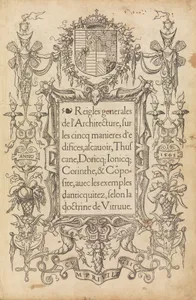
Coecke's legacy endures through his innovative fusion of media and his role as a cultural bridge between East and West. Married to miniaturist Mayken Verhulst, he became the grandfather and first teacher of Pieter Brueghel the Younger and Jan Brueghel the Elder via her grandchildren, and brother-in-law to printmaker Hubertus Goltzius. His translations of Vitruvius and Serlio introduced classical architecture to the Netherlands, influencing generations. Dying in Brussels amid a possible epidemic that claimed his youngest children, Coecke left a workshop that propelled Flemish design into the late Renaissance, with his tapestries still adorning royal collections today.
(Word count: 348)
![Le triomphe d'Anvers faict en la susception du Prince Philips, Prince d'Espaign[e]](https://images.artheonmuseum.org/met/dp/thumb/le-triomphe-d-anvers-faict-en-la-susception-du-prince-philips-prince-d-espaign-e-344098.webp)