Ctrl K
1880–1965
Abraham Walkowitz (1878–1965) was a Russian-born American artist who became one of the pioneering figures of modernist abstraction in the United States during the early twentieth century. Born in Tyumen, Siberia, he emigrated to New York as a child and later studied at the National Academy of Design. A transformative period in Paris around 1906–1907 exposed him to the Fauves, Cézanne, and the emerging avant-garde, giving him tools that few American artists of his generation yet possessed.
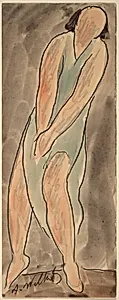
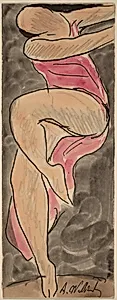
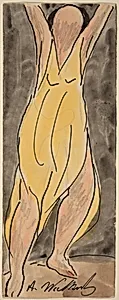
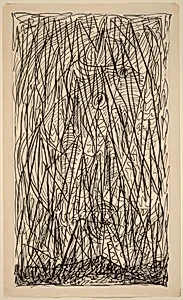
Walkowitz returned to New York and became a central figure in the circle around Alfred Stieglitz and his gallery 291, the crucial incubator of American modernism. He was among the first American artists to work in a consistently abstract idiom, producing fluid, energetic drawings and watercolors that captured motion, rhythm, and emotional states rather than literal appearances. His most celebrated series — thousands of drawings depicting the dancer Isadora Duncan — are remarkable documents of an artist's obsession with capturing the living body in movement, reducing the human form to sweeping, almost calligraphic arcs of line.
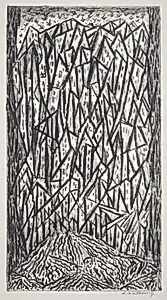
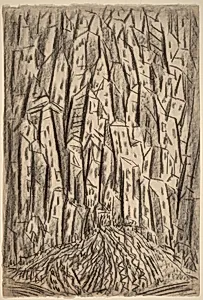
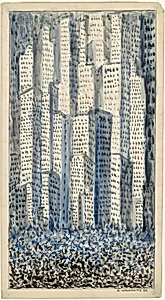
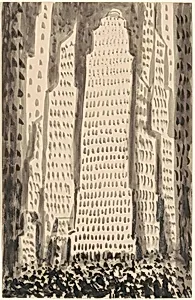
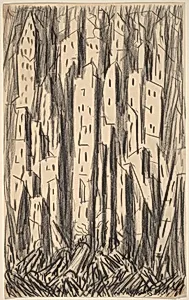
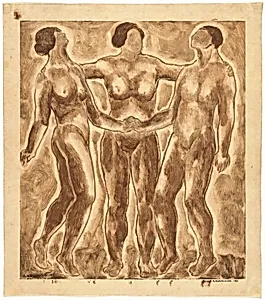
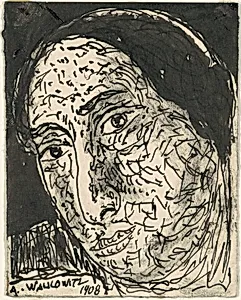
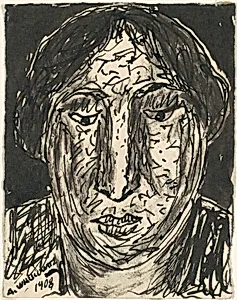
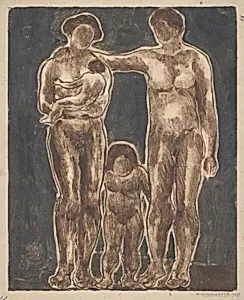
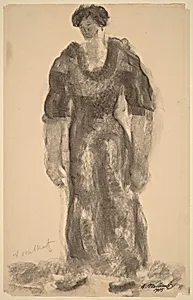
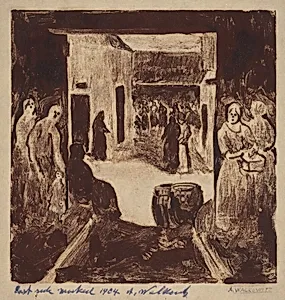
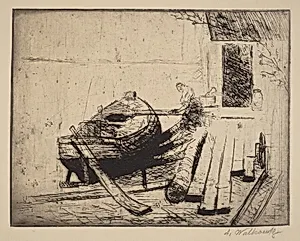
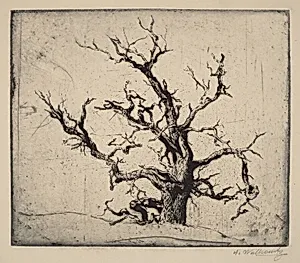
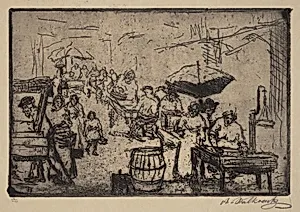
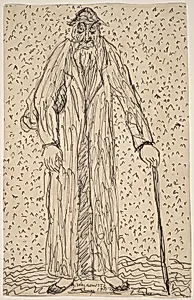
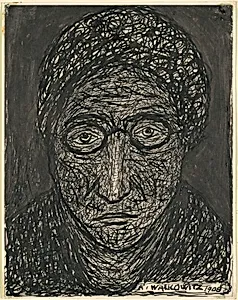
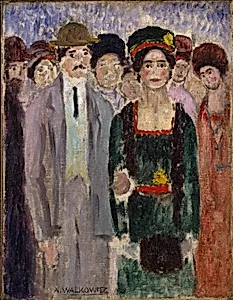
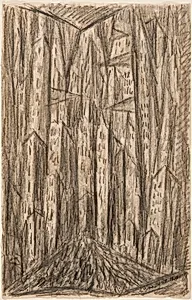
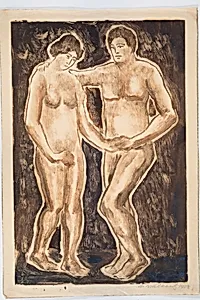
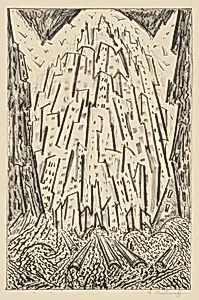
Beyond the Duncan drawings, Walkowitz produced cityscapes, figure studies, and abstract compositions that demonstrate both his technical versatility and his genuine engagement with the formal questions animating European modernism. Though he exhibited at the landmark 1913 Armory Show and enjoyed recognition in his most active years, he gradually withdrew from the New York art world and lived in relative obscurity for much of his later life.
In retrospect, Walkowitz deserves recognition as a genuinely adventurous pioneer: an artist who arrived at abstraction independently and early, and whose Duncan drawings constitute a unique archive at the intersection of performance, the body, and avant-garde visual experiment.