Ctrl K
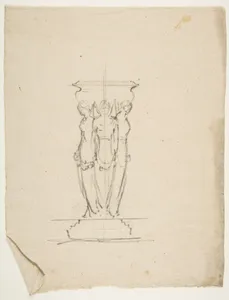
1800–1900
**Anonymous, French, 19th Century (ca. 1800–1900)**
The artist cataloged as Anonymous, French, 19th century embodies the enigmatic yet essential contributions of unidentified creators to France's vibrant 19th-century art world. Active roughly between 1800 and 1900, this figure—or potentially collective workshop—produced a diverse array of works amid the nation's transition from Neoclassicism through Romanticism to Realism and beyond. Personal details such as birth, death, family, or early life are not well documented, a common trait for many unattributed drawings, prints, and designs from commercial studios, periodicals, and amateur circles. Without records of specific teachers, mentors, or formal art school training, the artist's background remains shrouded, reflecting the era's emphasis on anonymous production for fashion plates, caricatures, and decorative arts.
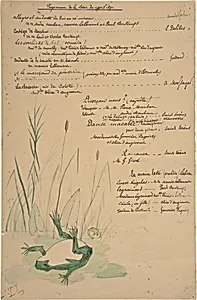
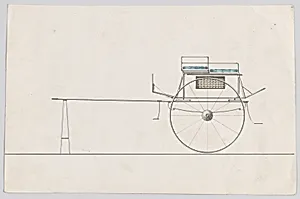
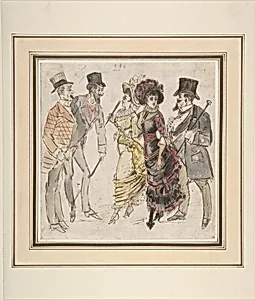
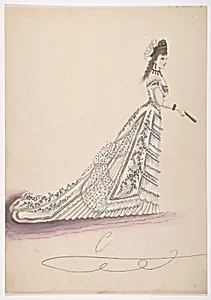
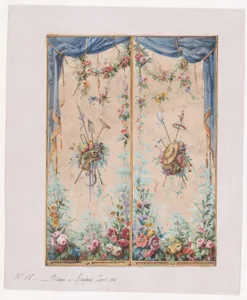
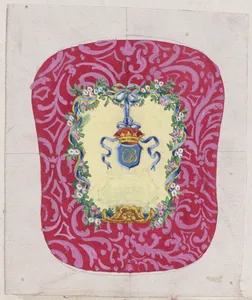
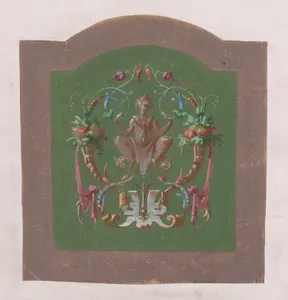
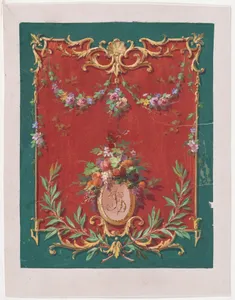
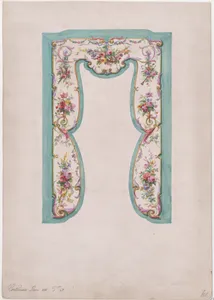
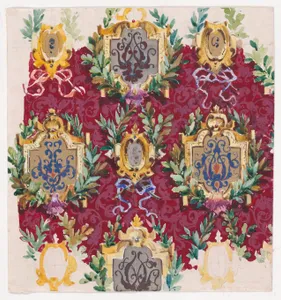
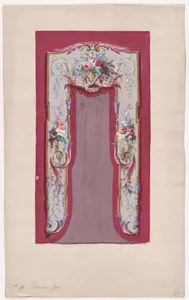
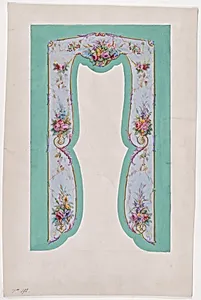
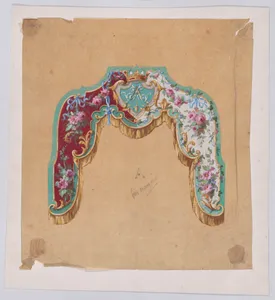
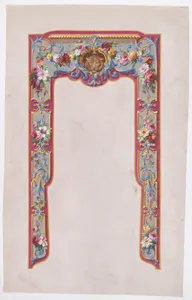
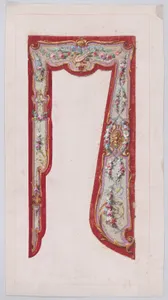
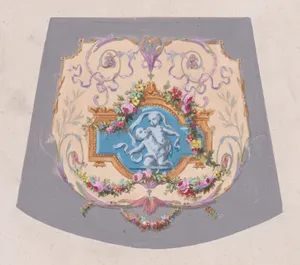
Stylistically versatile, the works align with the broad traditions of 19th-century French graphic arts, employing media like graphite, pen and ink, watercolor, etching, and lithography. Subjects range from meticulous interiors and landscapes to ornamental designs and social satire, capturing everyday life, architecture, and fashion. Key examples include *Drawing of an Interior: Atelier* (1857), a detailed graphite, pen, blue ink, and watercolor depiction of an artist's studio; *Gaeta*, a pen-and-ink landscape with gray wash; and fashion-related prints from *Modes de Paris* and *L'Artiste*, such as *Untitled print* (ca. 1870–72) and *Le Progrès* (1859). Other notable pieces feature caricatures like *Ils fument!* (1825–35), views of Paris and Saint-Cloud, and architectural fragments, showcasing technical precision and contemporary motifs.
These anonymous creations hold significant legacy value, preserved in major institutions like the Metropolitan Museum of Art and Fondation Custodia, where they number in the hundreds across collections—419 documented in one notable holding alone. They illuminate the unsung labor of French 19th-century draughtsmen, enriching our understanding of print culture, design innovation, and visual satire that paralleled the works of named masters like Daumier or Ingres. Far from peripheral, this artist's output underscores the democratizing force of graphic media in shaping public taste and historical memory.