Ctrl K
1795–1875
Antoine-Louis Barye (1795–1875) was born in Paris on September 24, the son of goldsmith Pierre Barye and Marguerite Barye. Following family tradition, he apprenticed as a goldsmith under his father and, around 1810, with Martin-Guillaume Biennais, goldsmith to Napoleon. After brief military service, Barye pursued sculpture, studying under François-Joseph Bosio in 1816 and painter Baron Antoine-Jean Gros, before gaining admission to the École des Beaux-Arts in 1818. His early training in fine metalwork honed his skill in casting intricate bronzes, while visits to the Jardin des Plantes from 1823 ignited his passion for animal subjects, where he sketched live specimens with the intensity of Eugène Delacroix.
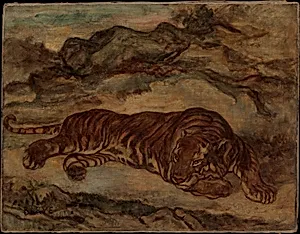
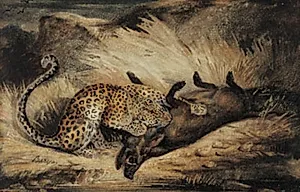
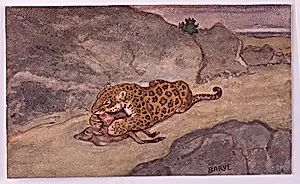
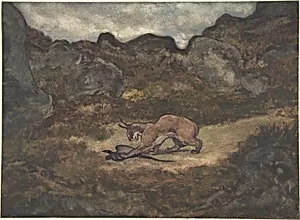
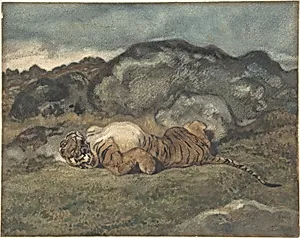
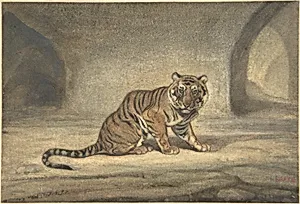
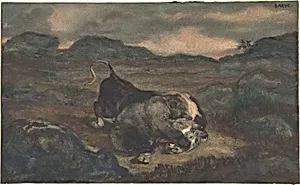
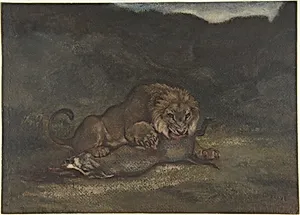
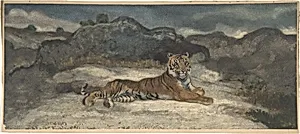
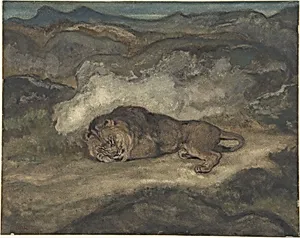
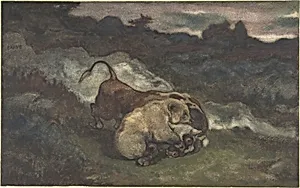
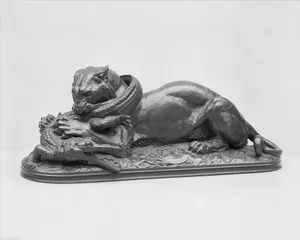
Barye emerged as the preeminent figure of the French animalier school, blending Romantic vigor with anatomical precision in bronze sculptures of wild beasts locked in dramatic combat. Dubbed the "Michelangelo of the menagerie" by critic Théophile Gautier, his works feature bold, stylized animals radiating energy and tension, elevating the genre from mere decoration to high art. Breakthrough pieces include *Tiger Devouring a Gavial* (1831), which won a second prize at the Salon despite Academy skepticism, and *Lion Crushing a Serpent* (modeled 1832), a monumental bronze symbolizing triumphant struggle. Other masterpieces encompass *Theseus Slaying the Minotaur* (1843), *Jaguar Devouring a Hare* (1850), and *Hercules with the Erymanthean Boar* (c. 1820), alongside public commissions like lions for the Tuileries Gardens and allegorical groups for the Louvre façade.
Despite critical acclaim, Barye's career was marred by financial woes; bankruptcy in 1848 forced the sale of his molds, leading to unauthorized casts that tarnished his reputation. He rebounded as Professor of Drawing at the Museum of Natural History in 1854 and was elected to the Académie des Beaux-Arts in 1868. His son, Alfred Barye, trained under him and continued the animalier tradition, though forever in his father's shadow. Barye's legacy endures as the father of modern animalier sculpture, inspiring Emmanuel Frémiet and others while proving wildlife subjects worthy of grandeur. Today, his bronzes grace museums worldwide, embodying the raw power of nature forged in enduring metal.