Ctrl K
1537–1545
**Antonio Fantuzzi** (active 1537–1550) was an Italian painter and printmaker born in Bologna who played a significant role in the First School of Fontainebleau during the French Renaissance. He worked in a Mannerist style, contributing to the lavish decorations of the Palace of Fontainebleau under royal patronage.
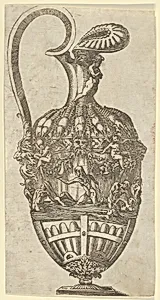
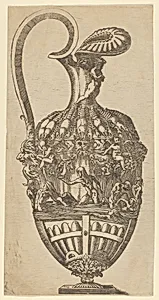
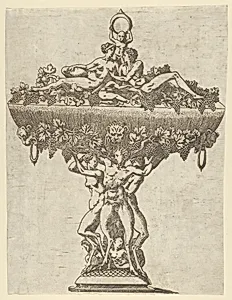
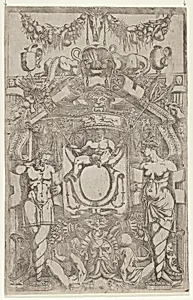
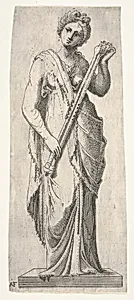
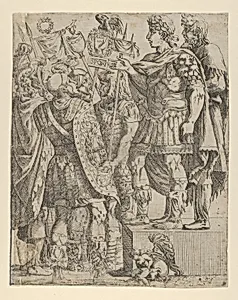
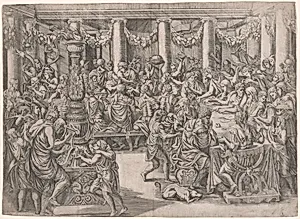
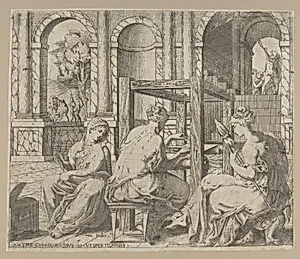
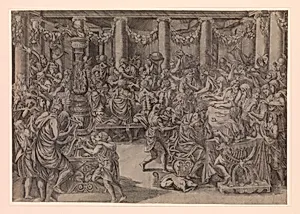
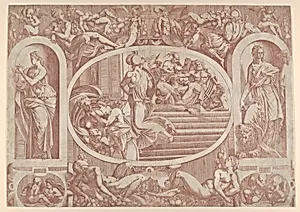
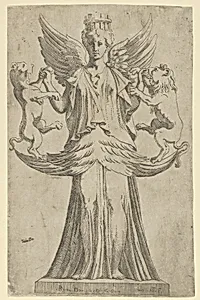
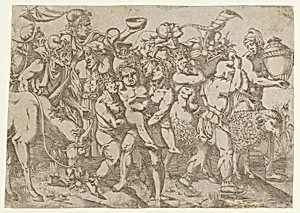
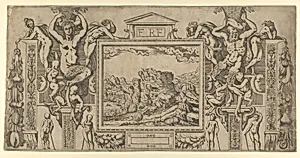
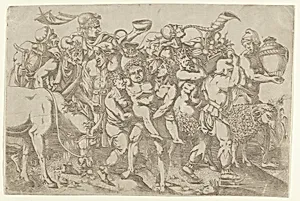
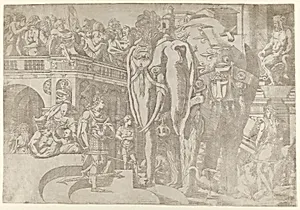
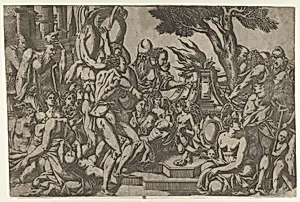
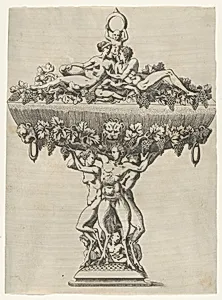
Fantuzzi is recorded as a painter at Fontainebleau from 1537 onward, initially on modest wages that rose substantially after 1540. He served as a principal assistant to Francesco Primaticcio, the Bolognese artist who assumed leadership of the decorative projects following Rosso Fiorentino’s death in 1540. Fantuzzi likely trained or completed his formation in France, where he became a leading figure in the palace’s innovative printmaking workshop. No identifiable paintings or drawings by him survive, but his etchings—nearly one hundred in total, with sixteen dated between 1542 and 1545—preserve designs for stucco, fresco, and ornamental schemes that have since been lost.
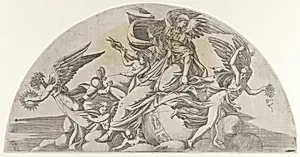
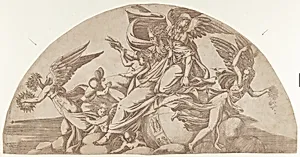
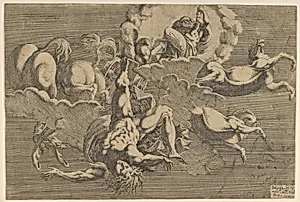
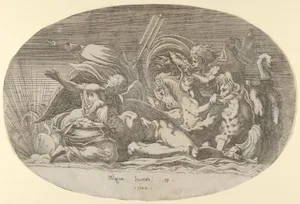
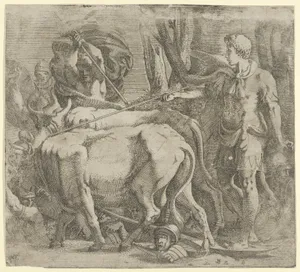
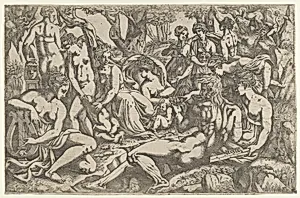
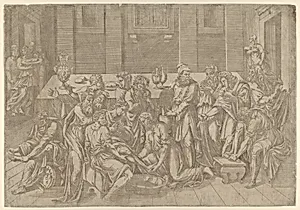
His prints primarily reproduce compositions by Rosso Fiorentino, Giulio Romano, and Primaticcio, ranging from mythological scenes such as *Mars and Venus Bathing* (after Primaticcio) and *The Fall of Phaeton* to decorative grotesques and architectural frames from the Gallery of François I. Early works display an energetic, sometimes angular and restless quality, while later etchings adopt a gentler, more harmonious tone closer to Primaticcio’s elegance. Fantuzzi collaborated closely with the French printmaker Léon Davent, exchanging technical knowledge of etching. His output helped disseminate the sophisticated Mannerist idiom of Fontainebleau across Europe.
Fantuzzi is last documented at Fontainebleau in 1550. Although earlier scholars sometimes confused him with the chiaroscuro woodcut specialist Antonio da Trento, modern scholarship has clearly distinguished their oeuvres. His prints remain valuable records of the lost decorations at Fontainebleau and exemplify the reproductive printmaking that spread the First School’s distinctive blend of Italian Mannerism and French courtly taste. A 2003 exhibition in Geneva highlighted his achievements alongside those of Davent, underscoring his enduring importance to the history of French Renaissance art.