Ctrl K
1770–1837
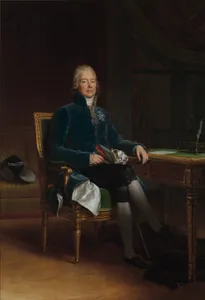
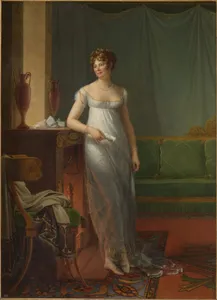
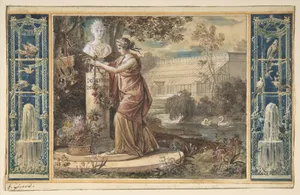
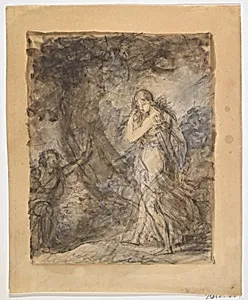
**Baron François Gérard (1770–1837)** was a leading French Neoclassical painter renowned for his elegant portraits of European royalty and political figures. Born François Pascal Simon Gérard in Rome to a French father serving in the Papal States and an Italian mother, he returned with his family to Paris around 1782. There he began his artistic training, first studying sculpture under Augustin Pajou before turning to painting with Nicolas-Guy Brenet and, most significantly, Jacques-Louis David, under whom he worked as an assistant after 1791.
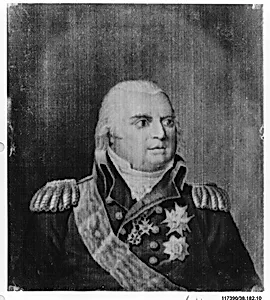
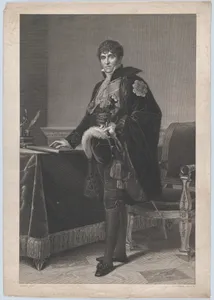
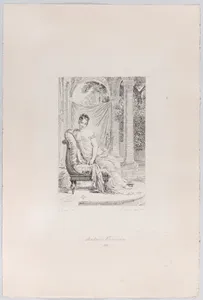
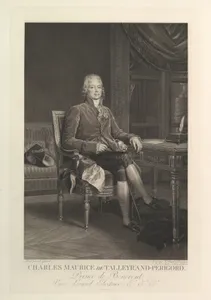
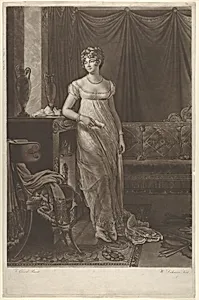
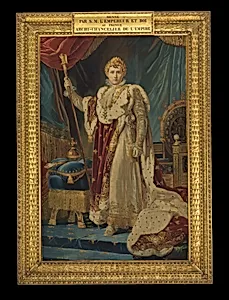
Gérard quickly established himself in the Neoclassical tradition, excelling in portraiture that combined precise draftsmanship with a refined, flattering sensibility. His ability to navigate political upheavals allowed him to thrive across regimes: he served as a favorite of Napoleon I, receiving the title of Baron in 1809, and later became court painter to Louis XVIII and Charles X. Notable works from this period include the intimate *Portrait of Josephine Bonaparte* (1799) and the grand historical canvas *Battle of Austerlitz* (1808), alongside numerous depictions of European sovereigns that earned him the nickname “painter of kings.”
In his later years, Gérard continued to receive prestigious commissions, including ceiling murals for the Panthéon in Paris under Charles X. His portraits, praised for their naturalism and psychological insight, captured the era’s elite with charm and technical mastery. Today he is remembered as one of the foremost official painters bridging the Revolutionary, Napoleonic, and Restoration periods, with a lasting legacy as the preeminent portraitist of early nineteenth-century Europe. His works remain in major collections, including those at Versailles, reflecting his enduring influence on French art.