Ctrl K
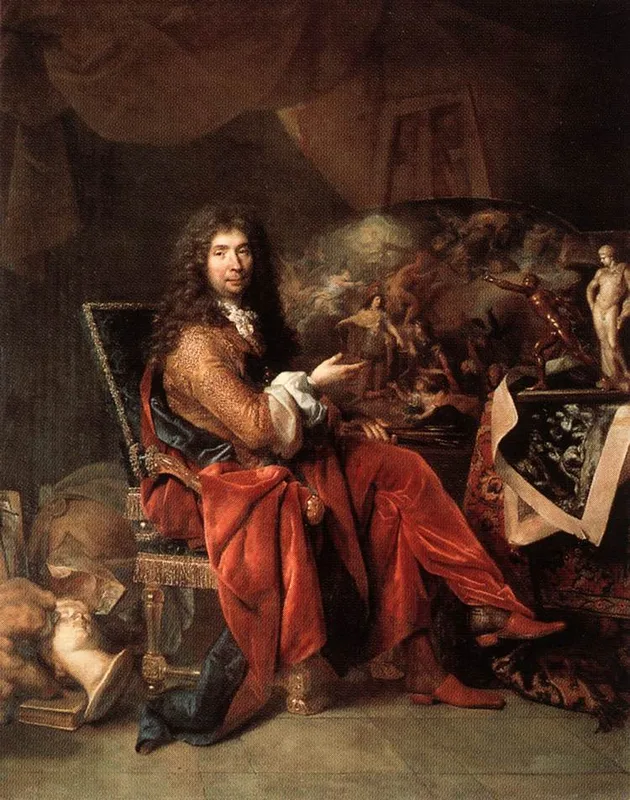
1619–1690
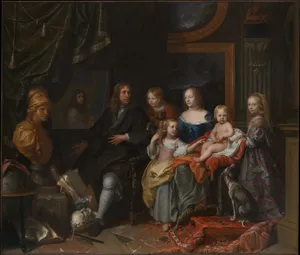
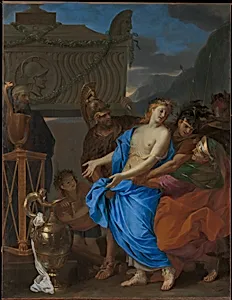
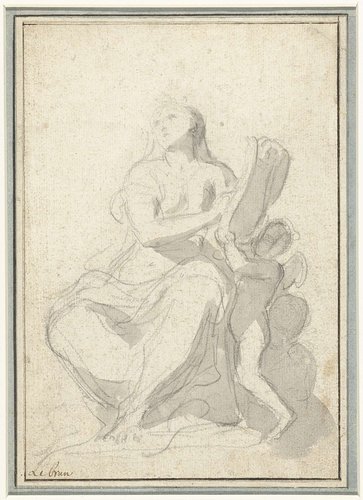
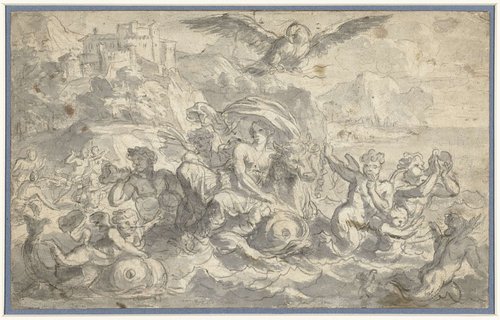
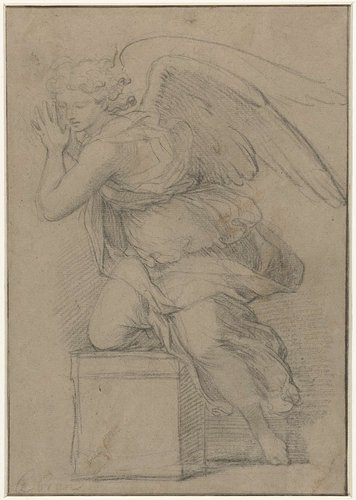
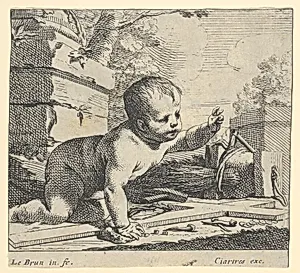
Charles Le Brun (1619–1690) was the most powerful artistic figure in seventeenth-century France, serving as the virtual dictator of official taste during the reign of Louis XIV and shaping the visual identity of the French Baroque in ways that resonated for generations. Born in Paris, he trained under the painter Simon Vouet before traveling to Rome in 1642, where he studied the works of Nicolas Poussin and the ancient and Renaissance masterpieces that formed the bedrock of academic theory. Poussin's influence — particularly his emphasis on reason, clarity, and the expression of grand historical themes — became the cornerstone of Le Brun's own approach.
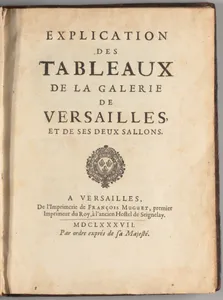
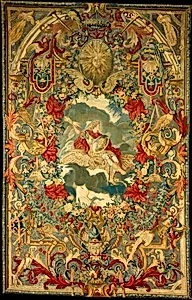
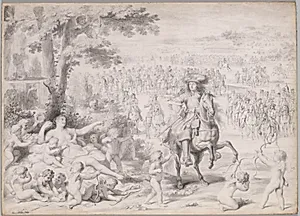
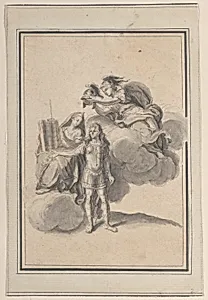
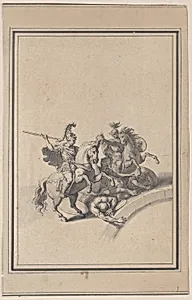
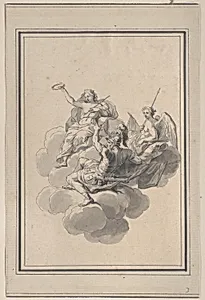
On his return to France, Le Brun rose rapidly through court patronage, eventually becoming First Painter to the King and director of the Gobelins manufactory, through which he oversaw the production of tapestries, furniture, metalwork, and decorative objects for the royal palaces. His most celebrated achievement is the decoration of the Palace of Versailles, including the Grande Galerie (Hall of Mirrors), where ceiling paintings glorifying the reign of Louis XIV deploy mythological allegory in the service of political propaganda on a breathtaking scale. These compositions, vast in ambition and immaculate in execution, defined the French grand manner.
Le Brun was also a theorist of considerable influence. His Conférence sur l'expression des passions (a lecture on the expression of the passions, delivered 1668) attempted to codify the relationship between inner emotion and outward facial expression, providing artists with a systematic guide to depicting feeling — a topic that fascinated Baroque painters across Europe. He was the founding director of the Académie Royale de Peinture et de Sculpture, through which he institutionalized the principles of classicism that would govern French art for much of the following two centuries.
Le Brun's legacy is inseparable from the culture of absolutism he served, and later critics have sometimes found his grandeur cold. Yet his organizational genius, his command of large-scale narrative, and his ability to synthesize the many arts into a unified decorative whole remain astonishing. He stands as the supreme embodiment of the seventeenth-century ideal that art, in the service of the state, could itself become a form of power.