Ctrl K
1855
Charles Moss is an artist whose work appears in museum collections in notable quantity, attesting to a sustained and recognized practice even though the biographical details — his dates, nationality, and the particular tradition in which he was trained — have not been thoroughly recorded in the art-historical literature currently available. The name Charles Moss is common enough to pose identification challenges but does not resolve to any single well-documented figure in standard reference works.
Moss likely worked within the broad currents of Western art during the nineteenth or early twentieth century, a period of enormous diversity in both artistic production and the institutions that supported it. Training opportunities ranged from prestigious national academies to regional schools, private ateliers, and the kind of informal mentorship relationships that passed technical knowledge from one generation of artists to the next without leaving extensive documentary records.
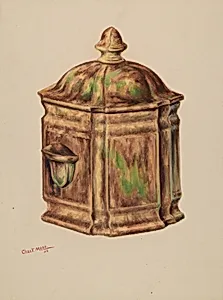
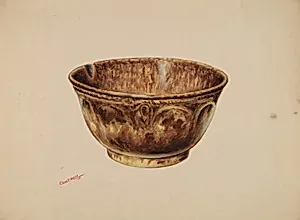
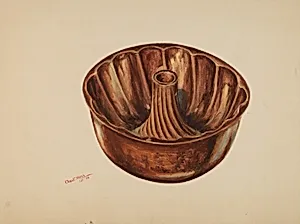
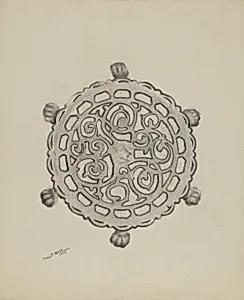
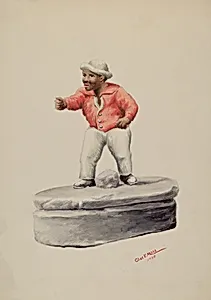
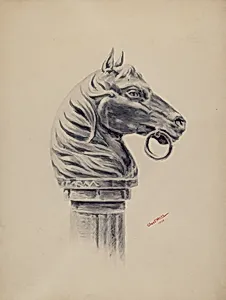
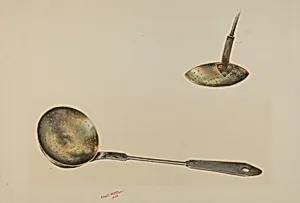
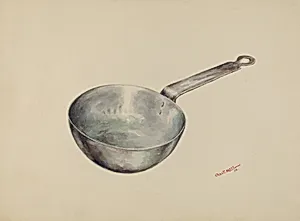
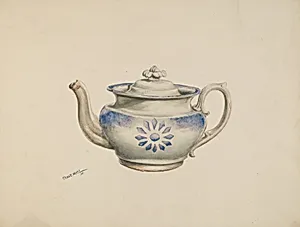
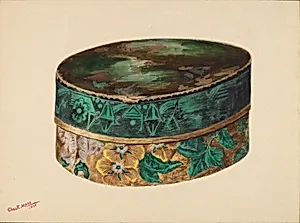
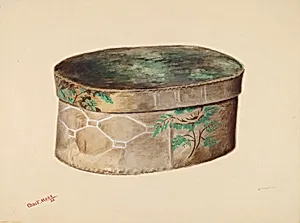
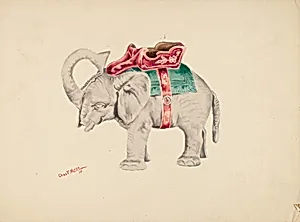
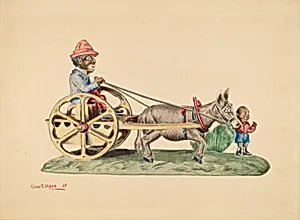
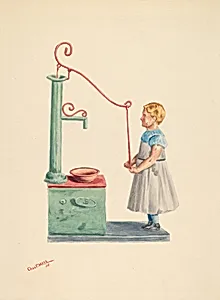
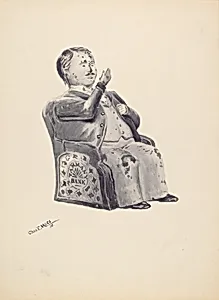
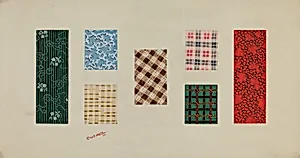
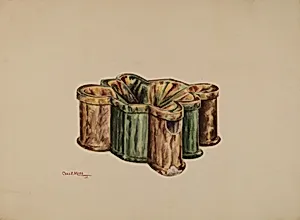
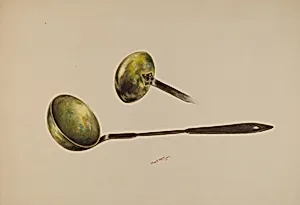
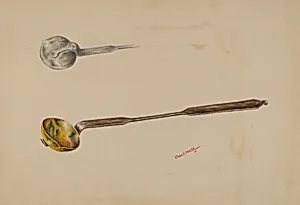
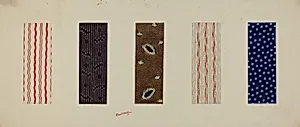
The body of work attributed to Moss suggests someone with genuine technical facility and consistent engagement with his chosen subjects and media. Forty recorded works is a meaningful number, implying not only sustained production but also the kind of distribution across collectors and institutions that required ongoing visibility and market or patronage relationships during his active years.
Charles Moss deserves closer scholarly attention than the current record allows. Regional exhibition catalogues, artist directories, period newspapers, and the holdings of local historical societies may contain the documentation needed to transform a name on a museum label into a fuller biographical account. His works, preserved across institutions, provide the evidentiary foundation from which such research can proceed.