Ctrl K
1812–1868
**Charles Wesley Jarvis (1812–1868)** was an American portrait painter and the second son of the renowned New York artist John Wesley Jarvis. Born in New York City, he followed directly in his father’s footsteps as a portraitist during the mid-nineteenth century.
As the son of one of the leading portrait painters of the early republic, Jarvis trained in the family studio and absorbed the techniques and clientele networks established by his father, who had been the dominant figure in New York portraiture between 1800 and 1820. He worked primarily in oil on canvas, producing formal bust-length and three-quarter-length portraits that continued the sober, dignified style favored by his father and other artists of the Federal and antebellum periods.
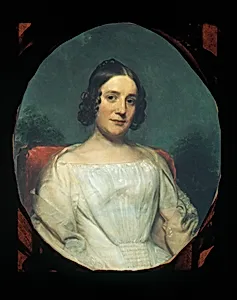
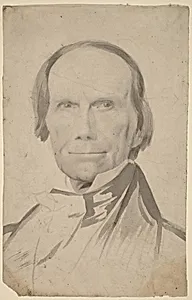
Among his documented works is the oil portrait *Mrs. Adrian Baucker Holmes* (ca. 1850), now in the collection of the Metropolitan Museum of Art. He also produced drawings, including a graphite-and-wash study of statesman Henry Clay (c. 1840) held by the National Gallery of Art. These surviving pieces, along with the seven works noted in institutional holdings, illustrate his steady activity as a professional portraitist in New York and surrounding areas.
Jarvis’s career represents the continuation of a distinguished family tradition in American portraiture. Though he never achieved the national prominence of his father, his output preserved the conventions of realistic, character-driven likenesses that defined mid-nineteenth-century American painting. His works remain valued today for their direct connection to the Jarvis studio lineage and their insight into the social world of antebellum New York.